


 English
 Español
 عربى
عربى
White Ash Wood Vintage Brown Distressed Solid Wood Flooring
- Solid Wood Core
- E0 Environmental Standard
- Tongue-and-Groove Installation
- Underfloor Heating Compatible
- CE & FSC Certified
- Warm & Comfortable Underfoot
- Customizable
 Get Free Sample

Product coverage: Solid wood, engineered wood, vinyl for diverse markets.
Stable supply chain: 20,000㎡ base + 10+ years’ experience for stability.
Competitive price: Favorable bulk prices for market competitiveness.
OEM/ODM: Logo labeling, custom sizes/finishes for branding.
Logistics & packaging: One-stop moisture-proof packaging + integrated logistics.
On-time delivery: Timely supply even in peak seasons.
Lead time: 15-20 days (regular), expedited service available.
Certification: UL/EN fire + EU E0 environmental certification.
Easy installation: T&G locking system, reducing construction costs.
Bidding support: Favorable project pricing.
Spot supply: Available for urgent orders to avoid delays.
Trendy design: 2026-friendly textures/colors, diverse finishes.
Natural texture: Retain wood grains for space aesthetics.
Sustainability: FSC/LEED certified.
Samples: Premium samples for evaluation/matching.
BIM/CAD models: Downloadable for design convenience.
This category shows 2 products.
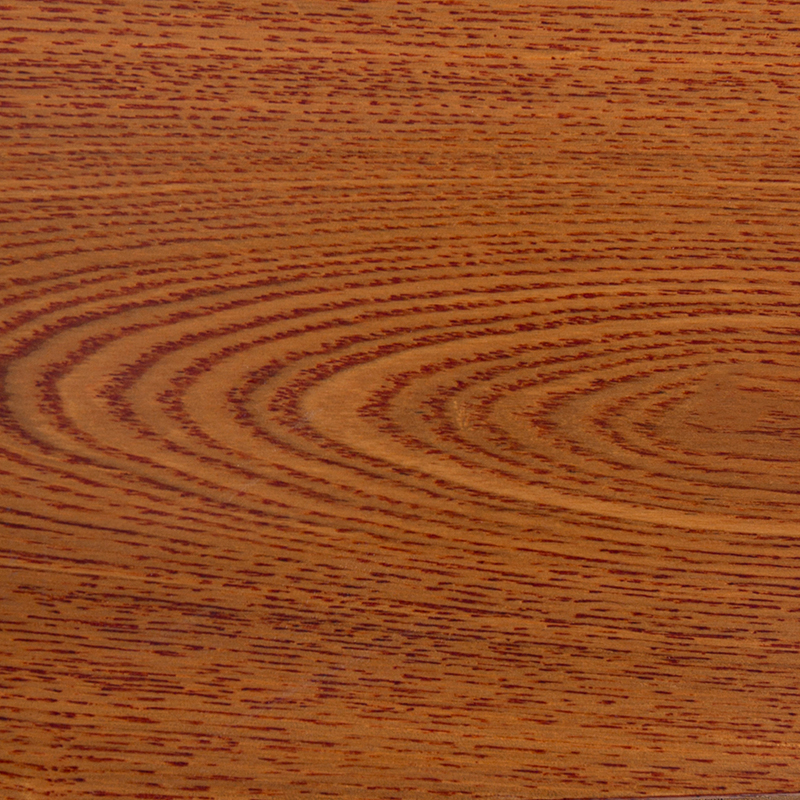
UV Lacquer/UV Oil/Hardwax Oil
T&G
ABCD Grade (Character)
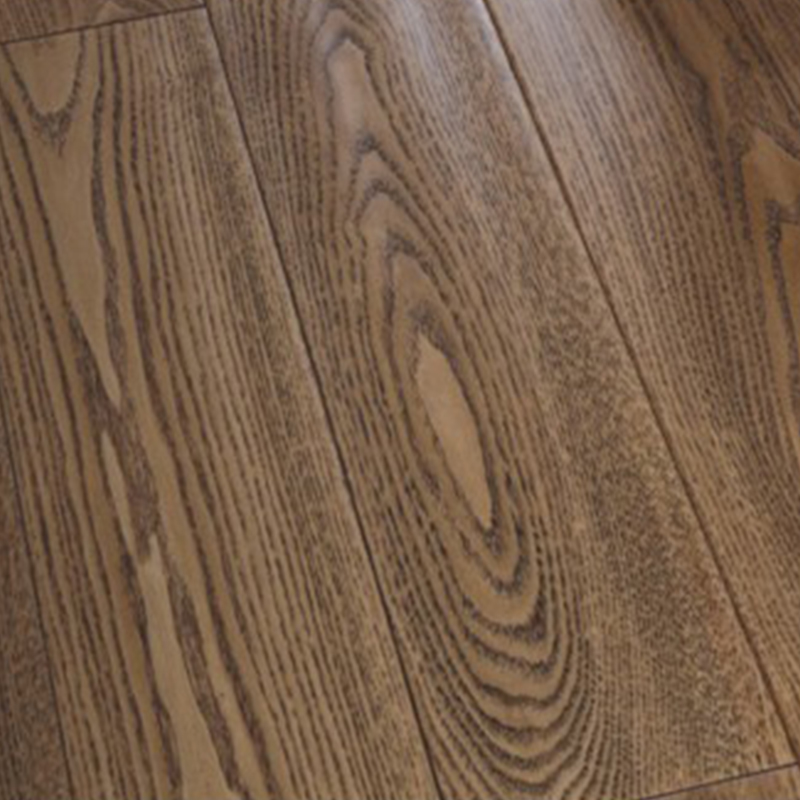
UV Lacquer/UV Oil/Hardwax Oil
T&G
ABCD Grade (Character)
Ash solid wood flooring is known for its excellent elasticity and distinct, bold grain, making it an ideal alternative to white oak for modern and Scandinavian-style interiors. With its light, bright natural tone and outstanding impact resistance, it is especially well suited for high-traffic residential environments. We offer comprehensive customization options for plank width and color, helping you achieve a premium visual effect at a highly competitive factory-direct price.
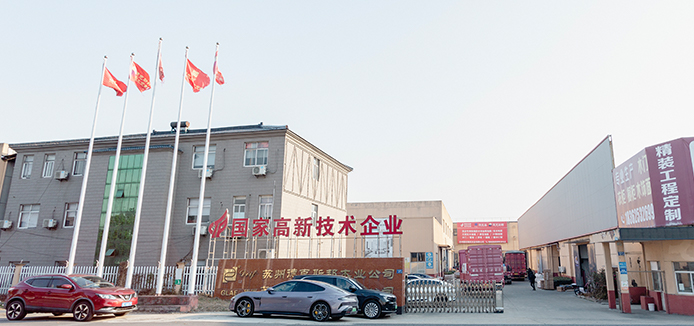
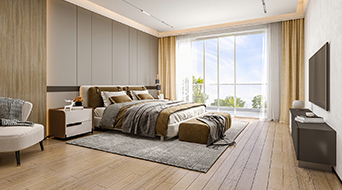
About DEIF

Production Base

R&D Engineers

Global Partners
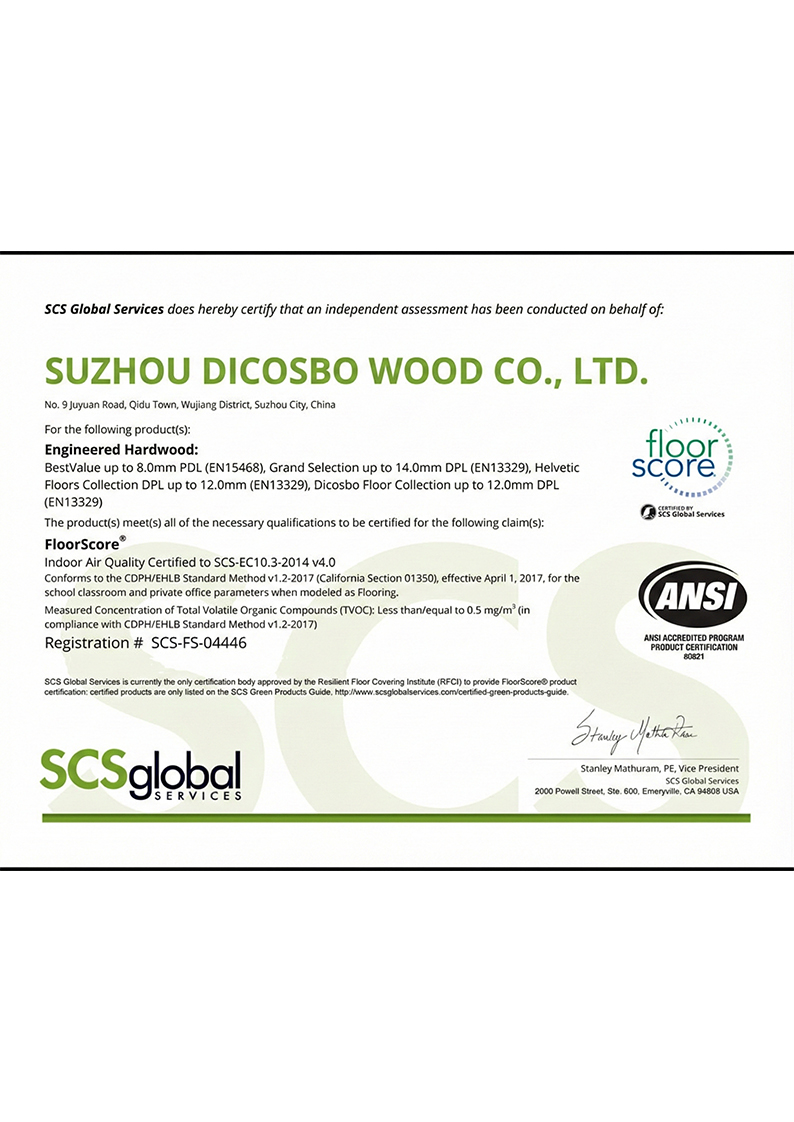
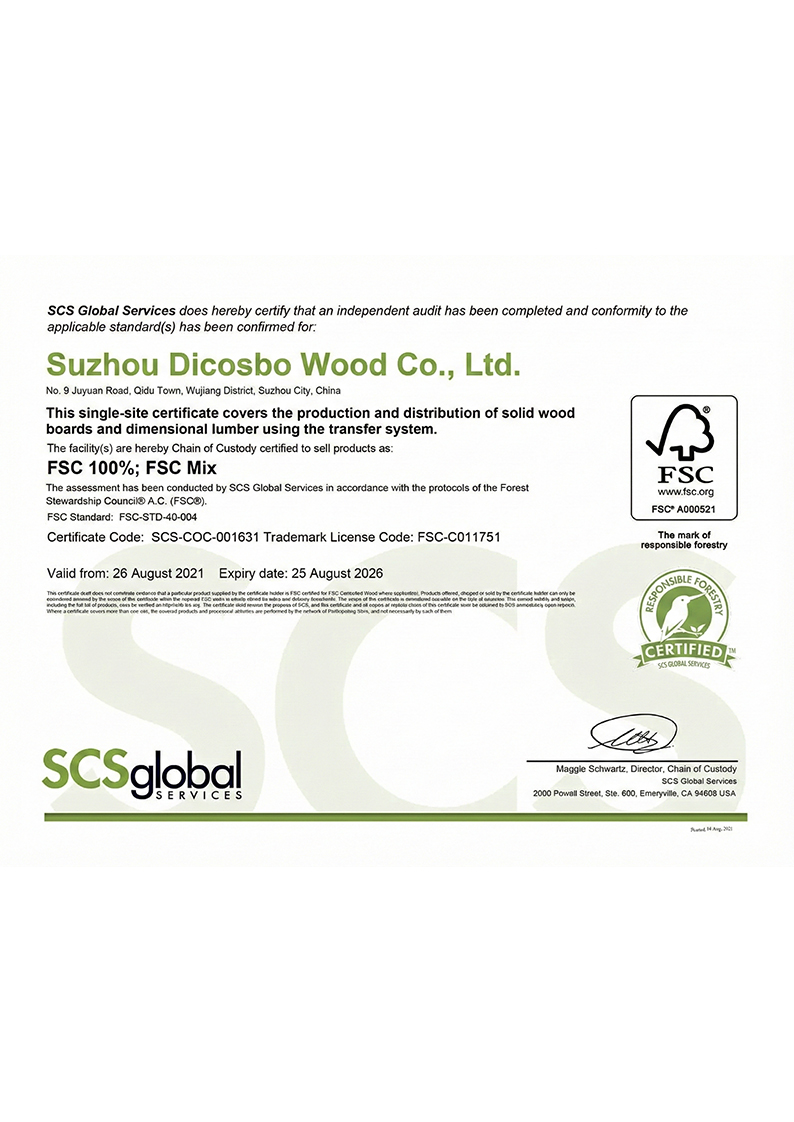
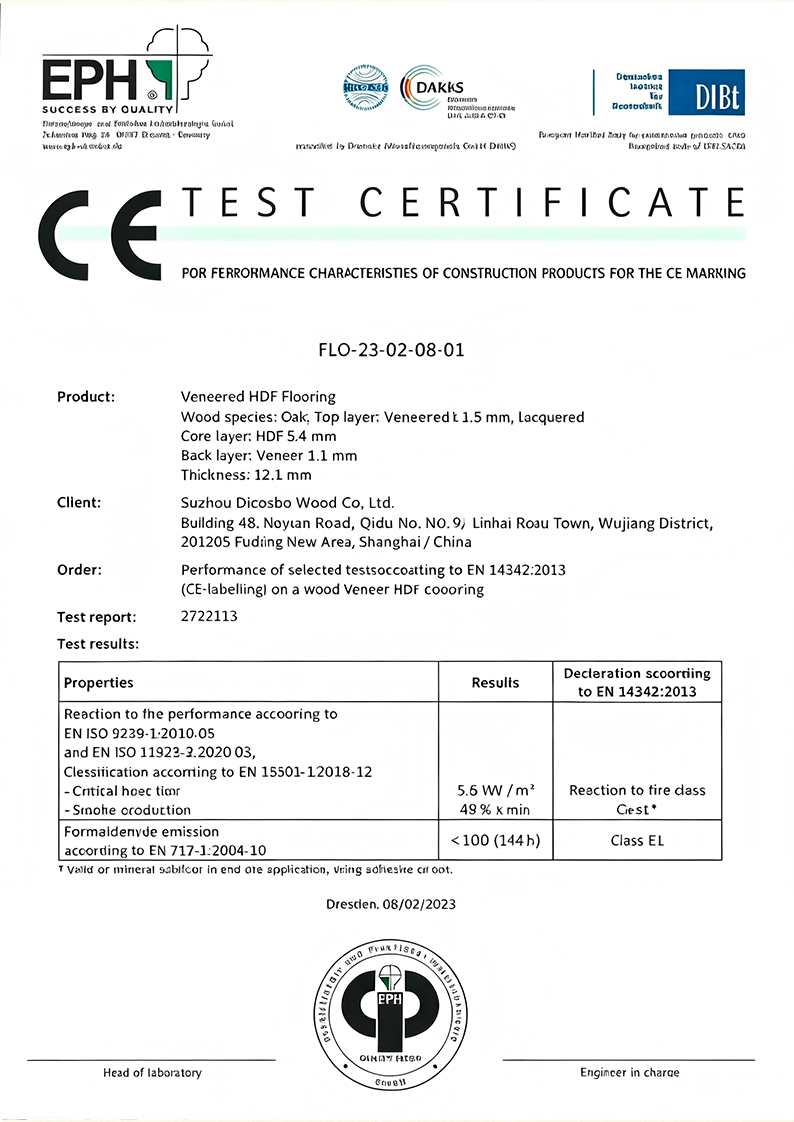
Our products have obtained EU CE safety certification, FSC Forest Stewardship certification, North American CARB P2 environmental certification, and ISO quality system certification (CE/FSC/CARB/ISO Certified).High-definition electronic and paper versions of all certificates are available upon request.Product quality meets the standards of major global markets. You can rest assured about compliance, and our products can be directly exported to many countries and regions around the world.
A manufacturer’s perspective on avoiding damp-zone floor failures and controlling total project cost Many renovation and fit-out projects face unexpected floor failures in damp zon...
View MoreA guest bathroom floor can look perfect for two years, then a hairline gap appears at the threshold and the room starts to smell faintly damp. Many homeowners who replace it disco...
View MoreSuzhou Dicosbo Wood Co,. Ltd. supplies premium 12mm commercial laminate flooring designed to withstand heavy foot traffic in retail shops, offices, hotel lobbies, restaurants and p...
View MoreSelecting the right laminate flooring thickness is one of the most consequential decisions you'll make when planning a home renovation or commercial installation. While 8mm lamin...
View MoreEuropean ash (Fraxinus excelsior) and American white ash (Fraxinus americana) are among the most consistently specified hardwoods for flooring applications, valued for a combination of mechanical properties that are difficult to match within the same price bracket. Ash registers a Janka hardness of approximately 1,320 lbf for American white ash and 1,100–1,200 lbf for European ash — harder than oak, softer than maple — placing it in a practical range that resists everyday indentation while remaining workable during installation and finishing.
Solid ash wood flooring exhibits good dimensional stability relative to its hardness class. Its tangential movement coefficient — the primary driver of seasonal width variation in flat-sawn planks — is moderate, comparable to oak and significantly lower than beech. In practice, a 120mm wide ash plank can be expected to move approximately 1.5–2mm seasonally in a climate-controlled interior environment cycling between 40% and 65% relative humidity, which is within the tolerance of standard expansion gap allowances in most installation systems.
The species also responds well to both staining and surface finishing processes. Its open, ring-porous grain structure accepts pigmented stains evenly when properly prepared, allowing ash to serve as a substrate for a wide range of color treatments — from natural and whitened tones to deep smoked or charcoal finishes — without the blotching risk associated with finer-grained species like maple or birch.
Ash is defined visually by its pronounced straight grain with strong growth ring contrast — a bold, linear figure that reads clearly across a floor surface. This character makes it equally at home in contemporary Scandinavian-influenced interiors, where its natural pale tone and clean grain line align with minimalist material palettes, and in more traditional settings where its figural clarity adds warmth without the heaviness of darker species.
Ash real wood flooring in its natural, unlacquered state presents a creamy white to light tan base tone with occasional olive or grayish streaks from mineral deposit and growth variation. These tonal shifts are characteristic of the species and become more pronounced in wider plank formats and character-grade selections. For projects where tight color uniformity is required, select-grade ash with controlled color range sorting produces a cleaner, more consistent result — though some natural variation remains inherent to the material.
Smoked and thermally modified ash treatments have grown significantly in specification frequency over the past decade, producing darker, more stable boards with enhanced resistance to moisture and biological degradation. Thermally modified ash — processed at 180–215°C in a steam environment — undergoes permanent chemical changes that reduce equilibrium moisture content by 40–50%, making it suitable for applications where standard solid hardwood would present dimensional risk. The modification process also shifts the color to a warm mid-brown, eliminating the need for pigmented staining in projects targeting that tone range.
Ash timber supply has experienced meaningful disruption over the past two decades due to the spread of emerald ash borer (Agrilus planipennis) in North America and ash dieback disease (Hymenoscyphus fraxineus) across Europe. Both pathogens have reduced standing timber volumes in their respective regions, with implications for long-term price stability and consistent availability of larger diameter logs capable of producing wide-plank formats. Buyers specifying ash for phased projects or long-term supply agreements should confirm source region and available inventory with manufacturers at the procurement stage rather than assuming continuous availability.
Species verification is a practical concern in ash procurement because several lower-value species are sold under the "ash" trade name in certain markets. Chinese ash (Fraxinus mandshurica), sometimes marketed as Manchurian ash or Japanese ash, has different mechanical properties and a visually distinct grain pattern compared to European and American ash. While not inherently inferior, it should be priced and specified on its own merits. Requesting botanical species name alongside country of origin documentation is the most reliable way to ensure the product received matches what was specified.
For projects subject to timber import regulations — including the EU Deforestation Regulation (EUDR), the US Lacey Act, or the UK Timber Regulations — ash sourced from certified-sustainable forests with full chain-of-custody documentation eliminates compliance risk at the import stage. DEIF's sourcing framework provides the species, origin and certification documentation required to support buyer compliance obligations across major regulated markets, reducing the administrative burden on procurement teams managing multi-territory projects.
Ash flooring follows the same foundational installation principles as other solid hardwoods — subfloor moisture testing, acclimatization, and appropriate expansion gap allowances — but has a few species-specific characteristics worth addressing at the planning stage. Its open grain structure means surface preparation before finishing is critical: insufficient sanding between coats or inadequate grain filling on oil finishes can result in an uneven surface texture that becomes more apparent under raking light. This is a finishing quality issue rather than a product defect, but it is more pronounced in ash than in finer-grained species.
Ash's moderate hardness means it can be both face-nailed and glue-down installed without the splitting risk associated with denser tropical species. For secret nail installation on timber subfloors, a minimum 45° nailer angle and 50mm nail length is recommended for planks above 90mm width; wider planks above 150mm benefit from supplementary adhesive bonding to prevent edge lifting in low-humidity conditions.
Expansion gap allowances for ash should be calculated at a minimum of 10mm against all fixed vertical surfaces for rooms up to 8 meters in the plank direction, with an additional 1.5mm per meter beyond that dimension. In open-plan spaces exceeding 12 meters without division, a T-bar expansion joint should be incorporated to accommodate cumulative movement without transferring stress to individual board fixings. With comprehensive project coordination and technical support capabilities, DEIF provides installation specification guidance as part of the supply process — ensuring that the performance characteristics of the product are preserved through correct installation practice in the field.
We provide customers with sustainable and eco-friendly
engineered wood solutions and services.
Choose DEIF for the perfect blend of
performance and aesthetics.
