


 English
 Español
 عربى
عربى
Get Social
Choose DEIF for the perfect blend of
performance and aesthetics.
 Get Free Sample

Content
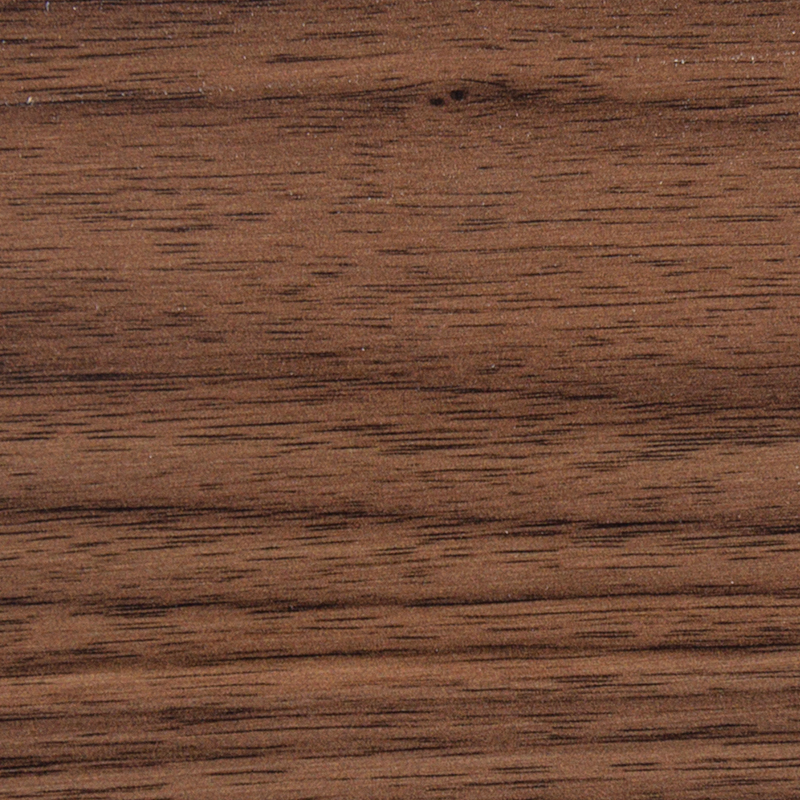
American walnut flooring has become one of the most sought-after choices for homeowners and designers who want a rich, warm hardwood with a naturally elegant grain. Grown primarily across the eastern and central United States, walnut timber is prized for its deep chocolate-brown heartwood, subtle color variation, and smooth, straight grain pattern that suits both traditional and contemporary interiors.
Unlike many lighter hardwoods, walnut brings an immediate sense of warmth and depth to a room without requiring heavy staining. This natural coloring is one of the main reasons designers continue to specify american walnut flooring wholesale for both residential and light commercial spaces.
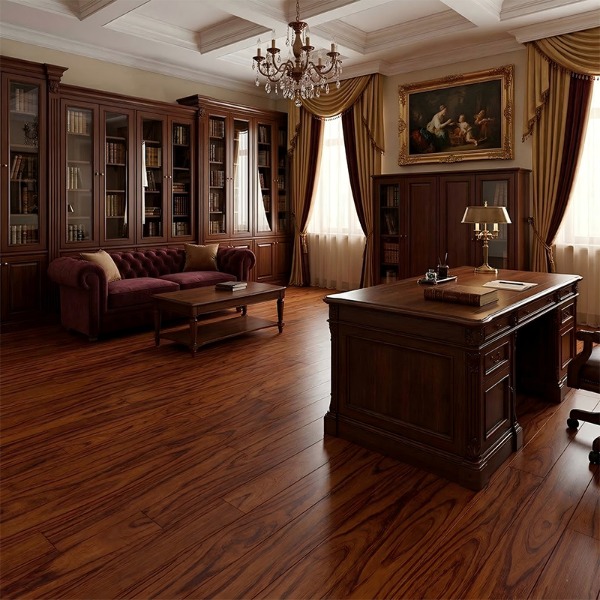
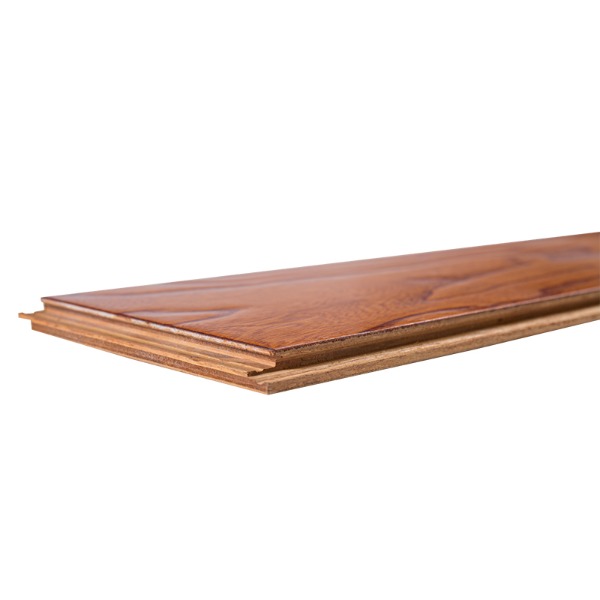
Choosing between solid and engineered walnut flooring is the first major decision, and it depends on your subfloor, budget, and the room's humidity levels. Each construction type has distinct advantages depending on installation location and long-term maintenance expectations.
For basements, kitchens, or homes in climates with seasonal humidity shifts, black walnut engineered wood flooring is generally the more practical choice because the layered core resists warping better than solid boards.
On the Janka hardness scale, walnut ranks lower than oak, which means it is a softer hardwood that can be more susceptible to dents and scratches. This does not make walnut a poor flooring choice, but it does mean homeowners should plan for slightly more careful maintenance compared to harder species.
| Wood Species | Relative Hardness | Best Use Case |
|---|---|---|
| American Black Walnut | Medium-Soft | Living rooms, bedrooms, formal spaces |
| Red Oak | Medium-Hard | High-traffic residential areas |
| Hard Maple | Hard | Commercial and high-traffic zones |
| Hickory | Very Hard | Heavy commercial use |
Because of this relative softness, american walnut hardwood flooring is often recommended for moderate-traffic residential rooms rather than commercial entryways, unless a protective finish system with added surface hardness is applied.
While the cost of walnut flooring can range from $9 to over $30 per square foot, it's considered a premium investment that adds significant value to your home. Pricing depends heavily on plank width, grade, finish type, and whether the product is solid or engineered.
$9 - $14 per sq ft
Thinner veneer, standard width planks
$15 - $22 per sq ft
Wider planks, select grade coloring
$23 - $30+ per sq ft
Character grade, custom milling, herringbone patterns
Installation labor typically adds an additional $3 to $8 per square foot depending on subfloor preparation, pattern complexity, and regional labor rates.
Herringbone walnut flooring has surged in popularity for spaces seeking a more architectural, tailored look. The angled, interlocking plank arrangement creates visual movement and works particularly well in entryways, dining rooms, and open-concept living areas.
If you're wondering, "Does walnut flooring lighten over time?" the answer is yes, as it gracefully mellows from a chocolatey brown to a warmer, honey-toned patina. This natural photo-oxidation process occurs gradually as the wood is exposed to ambient light.
Rugs and furniture placed on walnut floors for extended periods can create visible tone contrast as surrounding wood lightens. Rotating rugs periodically helps maintain a more even overall color across the floor.
Walnut can work well in kitchens when paired with the right finish and maintenance routine, though its moderate softness and sensitivity to moisture mean extra precautions are worthwhile.
| Factor | Consideration |
|---|---|
| Water Exposure | Engineered construction with a durable finish is preferred |
| Foot Traffic | Moderate; area rugs near sinks and stoves recommended |
| Finish Type | Matte or satin finishes hide minor scuffs better than high gloss |
| Spill Response | Wipe spills promptly to prevent moisture absorption at seams |
Because walnut is softer than many other hardwoods, proactive scratch prevention is essential for keeping floors looking their best for years.
Light surface scratches can often be addressed with a color-matched wood touch-up marker or filler stick designed for hardwood floors. Deeper gouges typically require localized sanding and spot refinishing, while widespread scratching across a room may call for a full screen-and-recoat service.
Proper cleaning tools and techniques matter significantly for softer hardwoods like walnut, since abrasive tools or excess water can accelerate wear.
Yes, engineered walnut floors can typically be refinished, though the number of times depends on the thickness of the top wear layer. Most engineered planks have a veneer layer ranging from roughly 0.6mm to 6mm.
| Veneer Thickness | Typical Refinishing Capacity |
|---|---|
| 0.6mm - 1mm | Not refinishable; light screening only |
| 2mm - 3mm | One light refinish possible |
| 4mm - 6mm | Two to three refinishes possible |
Before sanding, it is worth consulting a flooring professional to measure remaining veneer depth and avoid sanding through to the core layer.
In commercial environments, commercial walnut flooring is generally reserved for lower-traffic areas such as executive offices, boutique retail spaces, hospitality lobbies with runners, and conference rooms rather than high-traffic corridors.
For heavier commercial traffic zones, specifiers often pair walnut accents with harder wood borders or reinforce finish systems with additional protective topcoats to extend service life.
Sweep or dust mop regularly to remove grit, then clean periodically with a barely damp microfiber mop and a pH-neutral hardwood cleaner. Avoid steam cleaners and excess standing water.
Yes, as long as the veneer wear layer is thick enough. Planks with a 3mm or greater veneer generally allow at least one full refinish; thinner veneers may only support light screening.
Walnut can work in kitchens when installed as engineered flooring with a durable finish, paired with prompt spill cleanup and area rugs near high-moisture zones like sinks.
Minor scratches can be treated with a matching touch-up marker or filler stick. Deeper scratches usually need localized sanding, while widespread wear may require a full screen-and-recoat.

We provide customers with sustainable and eco-friendly
engineered wood solutions and services.
Choose DEIF for the perfect blend of
performance and aesthetics.
