


 English
 Español
 عربى
عربى
Get Social
Choose DEIF for the perfect blend of
performance and aesthetics.
 Get Free Sample

Content
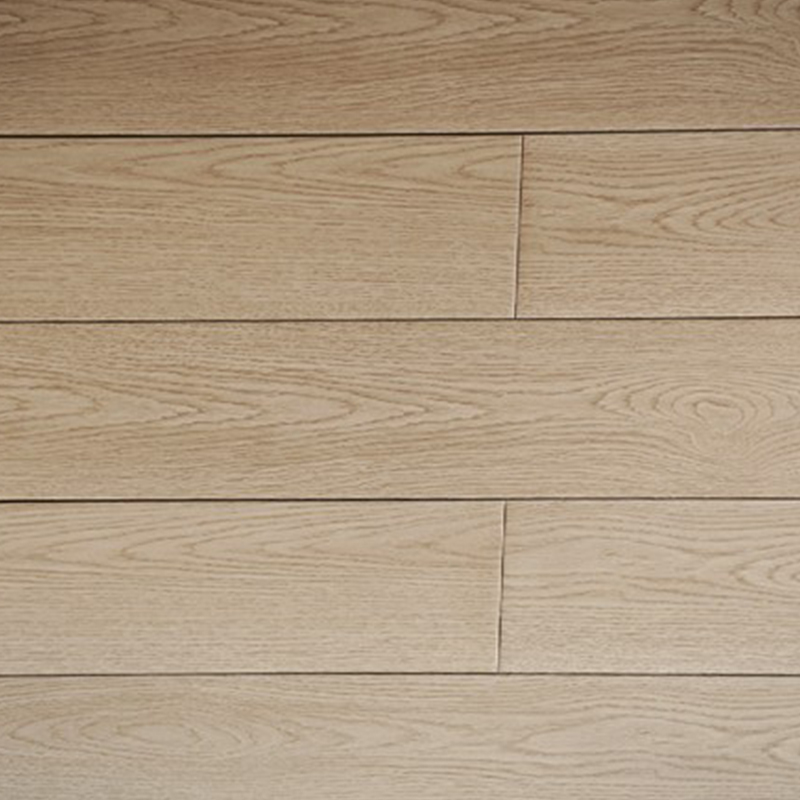
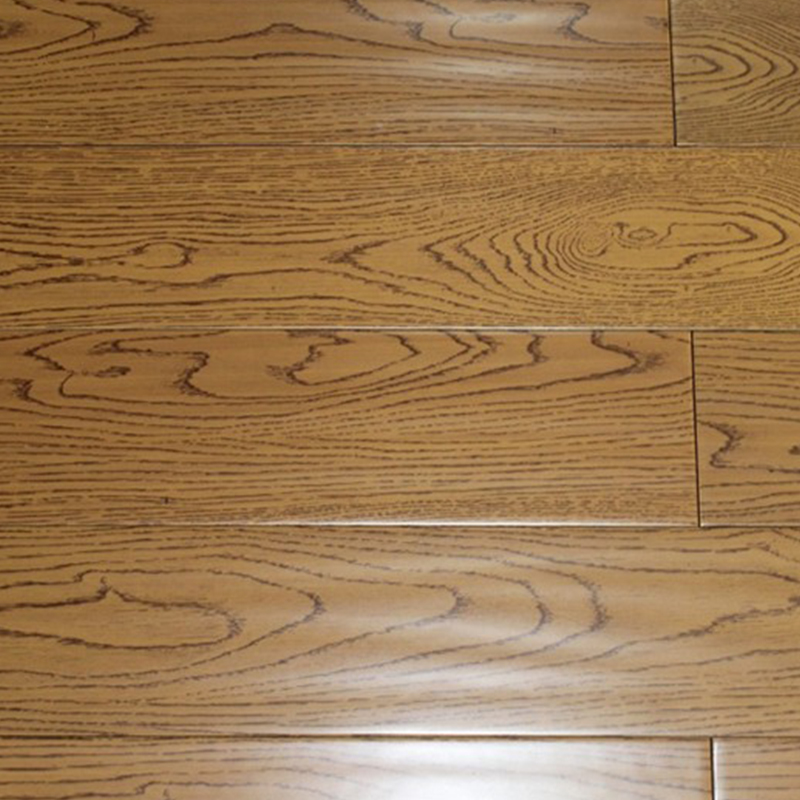
Choosing between engineered wood flooring and traditional hardwood flooring starts with understanding how each product is built. Solid wood flooring is milled from a single piece of timber, while multi-ply engineered wood flooring consists of a real hardwood veneer bonded over cross-layered plywood or high-density fiberboard cores. This structural difference is the foundation for nearly every performance gap between the two materials, from moisture tolerance to installation flexibility.
Both options use genuine wood on the surface, so the visual warmth of natural grain is preserved either way. The real question homeowners face is which construction method better suits their subfloor, climate, and daily wear conditions.
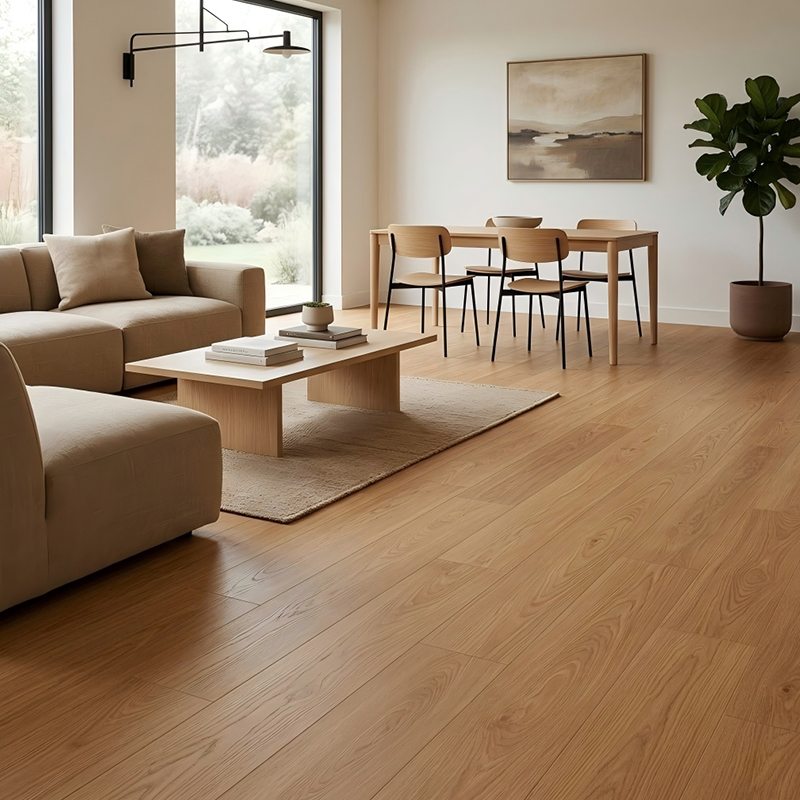
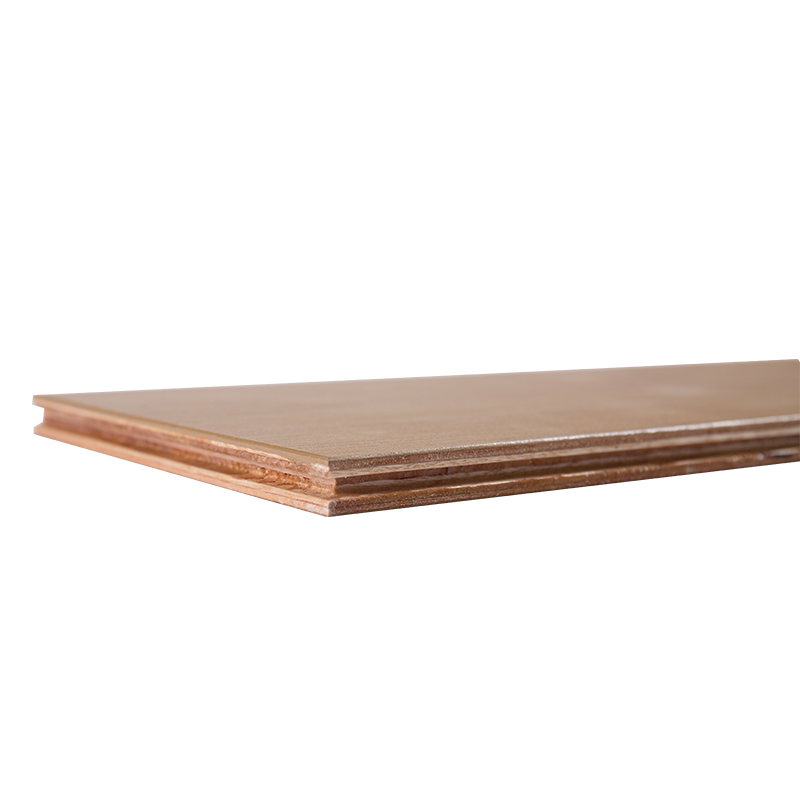
Engineered wood flooring typically stacks three to twelve layers of wood veneer at alternating grain directions before pressing them under heat and adhesive. This cross-lamination counteracts the natural tendency of wood to expand and contract with humidity changes, making engineered wood significantly more dimensionally stable than a solid plank.
Because each ply resists the movement of the layer above and below it, engineered flooring handles fluctuations in humidity with less cupping, gapping, or warping. This makes it a practical option for basements, over radiant heating systems, or in regions with seasonal humidity swings, provided the specific product is rated for that use.
| Factor | Engineered Wood Flooring | Solid Wood Flooring |
|---|---|---|
| Dimensional Stability | High, due to cross-ply core | Moderate, more prone to movement |
| Moisture Tolerance | Better suited to humid areas | Not recommended below grade |
| Refinishing Potential | Depends on veneer thickness, typically 1 to 3 times | Multiple times over decades |
| Installation Methods | Floating, glue-down, or nail-down | Primarily nail-down |
| Typical Lifespan | 20 to 40 years | 50 to 100 years with care |
| Compatibility with Underfloor Heating | Generally compatible | Limited compatibility |
The wear layer, or hardwood veneer, determines how many times a floor can be sanded and refinished before the core becomes visible. Thicker veneers found in premium wood veneer constructions, often between 3mm and 6mm, allow for multiple refinishing cycles similar to solid wood. Thinner veneers, common in budget products, may only tolerate a light screen-and-recoat rather than a full sand.
When evaluating an engineered wood flooring supplier, checking the veneer thickness specification is one of the most reliable ways to gauge long-term value.
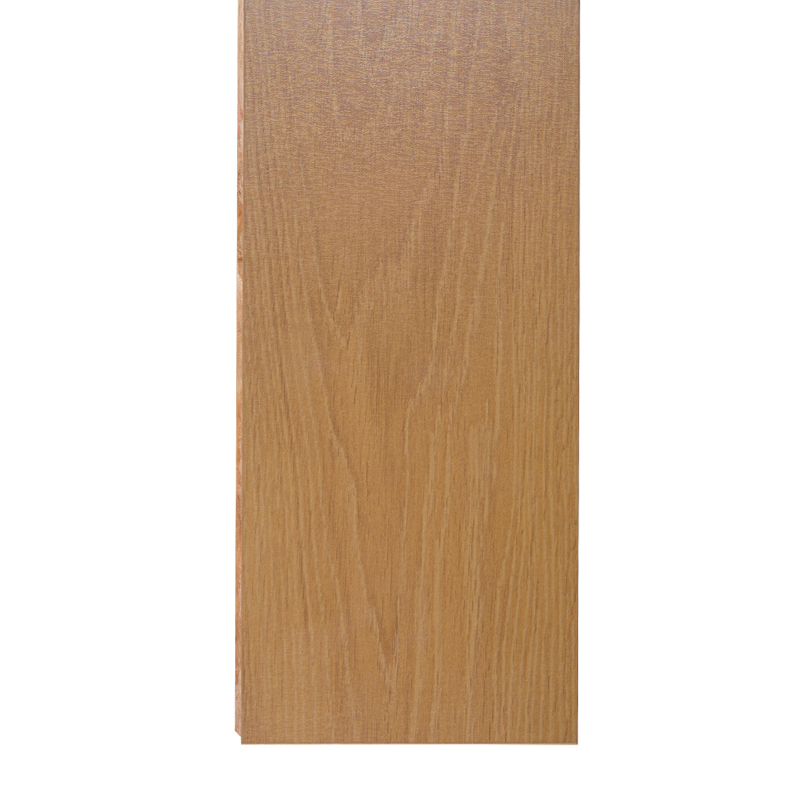
Kitchens experience spills, temperature shifts near appliances, and frequent foot traffic. A stable, moisture-resistant engineered product with a durable finish generally performs better here than solid wood, which can react more visibly to humidity near sinks and dishwashers.
Households with pets benefit from a harder wear layer finish, such as an aluminum oxide coating, along with a wood species that resists denting. Engineered constructions with a thicker veneer offer a practical balance between scratch resistance and future refinishing options.
Entryways, hallways, and living rooms benefit from a harder wood species on the surface layer and a finish rated for commercial or heavy residential use. Matte and satin finishes also tend to disguise fine scratches better than high-gloss options.
Proper care extends the life of any wood floor, but engineered products have a few specific considerations tied to their layered construction.
A simple solution of water with a small amount of mild, pH-neutral soap applied to a barely damp cloth is generally sufficient for routine cleaning. Vinegar-based solutions are sometimes recommended, but frequent use can dull certain finishes over time, so spot-testing in an inconspicuous area is a sensible first step.
Real estate appraisers and buyers generally view genuine wood surfaces, whether solid or engineered, favorably compared to laminate or vinyl alternatives. Because engineered wood flooring offers the visual authenticity of natural wood flooring along with improved stability, it is commonly perceived as a comparable upgrade in resale evaluations, particularly in climates where solid wood performance concerns exist.
| If your priority is | Consider |
|---|---|
| Long-term refinishing flexibility | Solid wood flooring or thick-veneer engineered wood |
| Installation over concrete slabs or radiant heat | Engineered wood flooring |
| Budget-conscious renovation with natural aesthetics | Engineered wood flooring |
| Historic home restoration authenticity | Solid wood flooring |
| Humid or fluctuating climate regions | Engineered wood flooring |
Neither option is universally superior. The right choice depends on subfloor conditions, climate, budget, and how many decades the floor needs to last before replacement or major refinishing.
It is a flooring product made from a real hardwood veneer layer bonded to a multi-ply core of cross-laminated wood or fiberboard, designed to improve stability compared to solid timber.
For most homes, particularly those with concrete subfloors, radiant heating, or humidity concerns, engineered wood flooring offers a practical balance of appearance, stability, and cost.
Standard engineered wood is water-resistant to a degree due to its layered construction, but it is not fully waterproof unless specifically manufactured and rated as such. Standing water should still be avoided.
With proper installation and maintenance, engineered wood flooring commonly lasts between 20 and 40 years, depending on veneer thickness and finish quality.
Yes, provided the veneer layer is thick enough. Products with veneers above roughly 3mm can typically be sanded and refinished multiple times.
Scratch resistance depends more on the finish and wood species than on the engineered versus solid distinction. Harder species and aluminum oxide finishes improve resistance significantly.
Genuine wood surfaces, including engineered wood, are generally viewed as a value-adding upgrade compared to synthetic flooring alternatives in most real estate markets.

We provide customers with sustainable and eco-friendly
engineered wood solutions and services.
Choose DEIF for the perfect blend of
performance and aesthetics.
