


 English
 Español
 عربى
عربى
12mm Premium Laminate Light Oak Wood Grain Smooth Surface Click Floor
- AC3 wear resistance
- High-density HDF base material
- Realistic wood grain surface
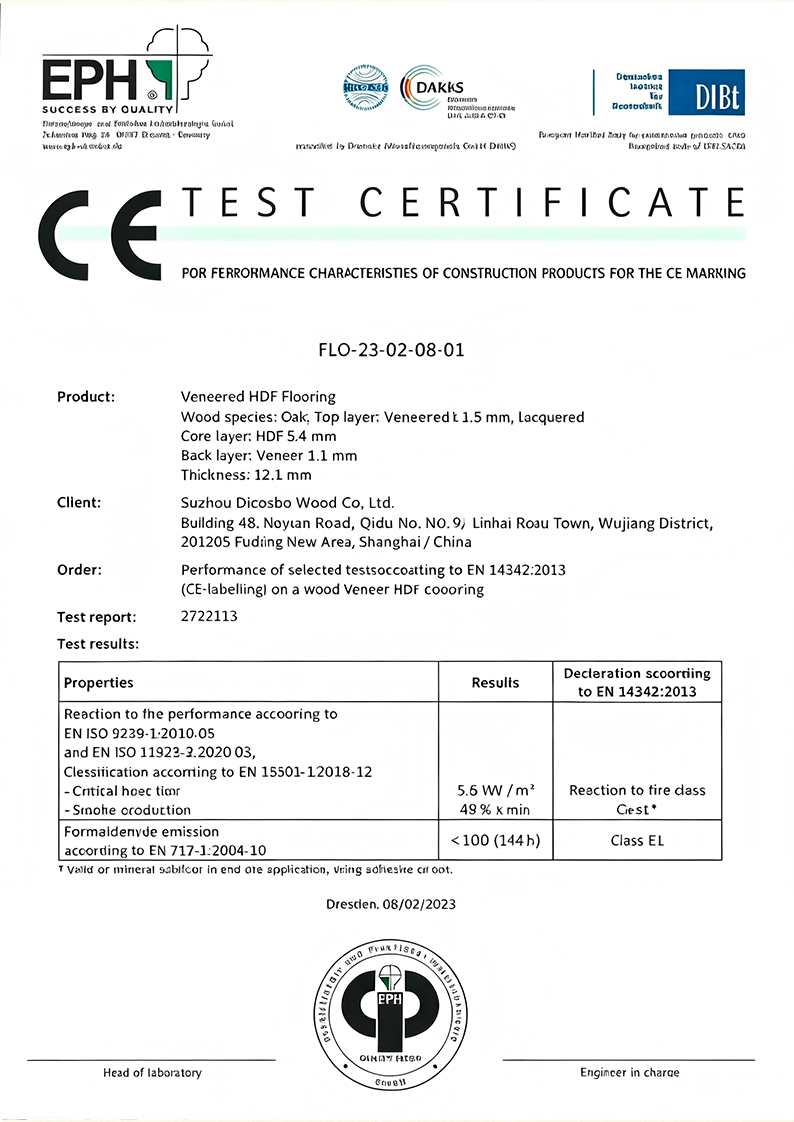
- E0 environmental standard
- Click lock system
- Customizable sizes & colors
 Get Free Sample

Product coverage: Solid wood, engineered wood, vinyl for diverse markets.
Stable supply chain: 20,000㎡ base + 10+ years’ experience for stability.
Competitive price: Favorable bulk prices for market competitiveness.
OEM/ODM: Logo labeling, custom sizes/finishes for branding.
Logistics & packaging: One-stop moisture-proof packaging + integrated logistics.
On-time delivery: Timely supply even in peak seasons.
Lead time: 15-20 days (regular), expedited service available.
Certification: UL/EN fire + EU E0 environmental certification.
Easy installation: T&G locking system, reducing construction costs.
Bidding support: Favorable project pricing.
Spot supply: Available for urgent orders to avoid delays.
Trendy design: 2026-friendly textures/colors, diverse finishes.
Natural texture: Retain wood grains for space aesthetics.
Sustainability: FSC/LEED certified.
Samples: Premium samples for evaluation/matching.
BIM/CAD models: Downloadable for design convenience.
This category shows 17 products.
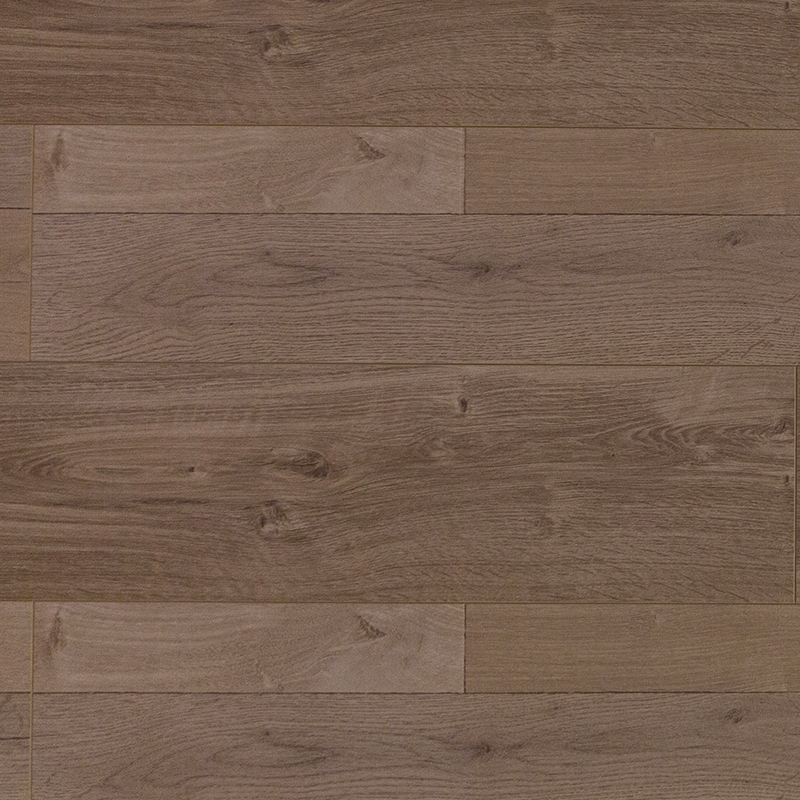
TSCA Title VI / CARB Phase 2 Compliant
Click System
Melamine Wear Layer with Aluminum Oxide
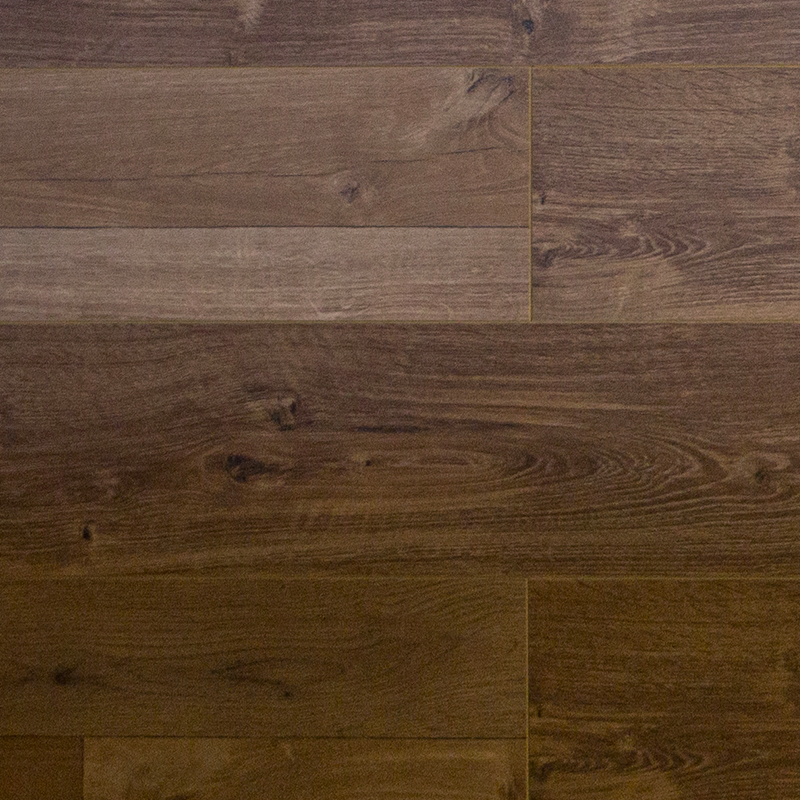
TSCA Title VI / CARB Phase 2 Compliant
Click System
Melamine Wear Layer with Aluminum Oxide
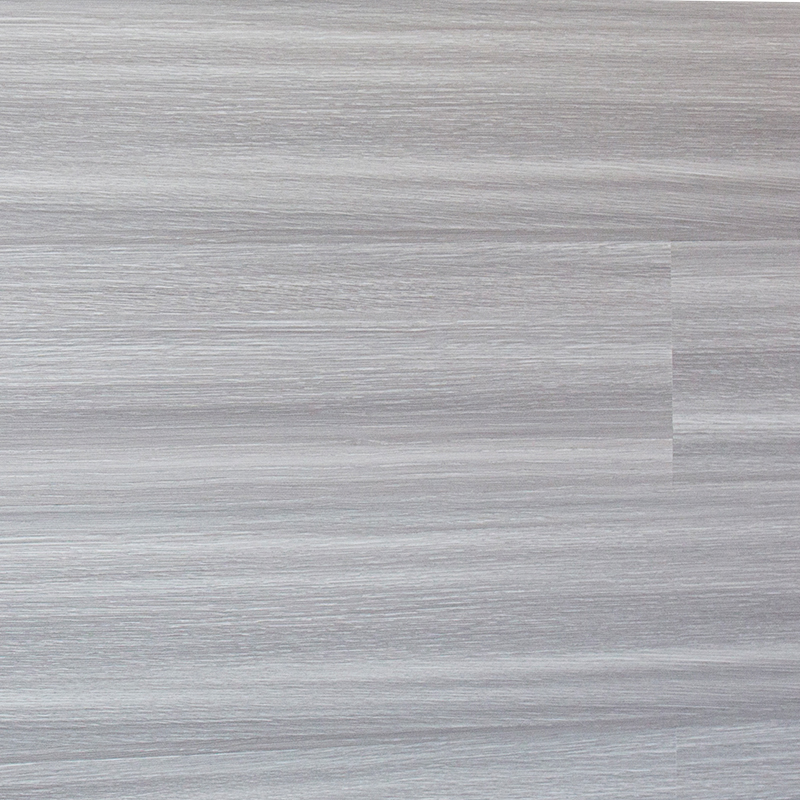
TSCA Title VI / CARB Phase 2 Compliant
Click System
Melamine Wear Layer with Aluminum Oxide
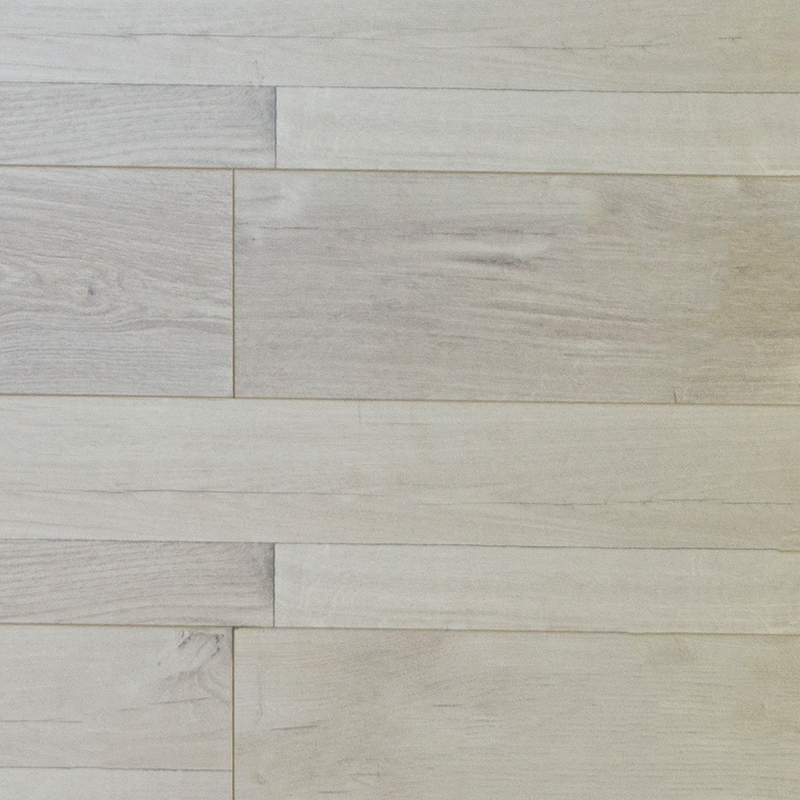
TSCA Title VI / CARB Phase 2 Compliant
Click System
Melamine Wear Layer with Aluminum Oxide
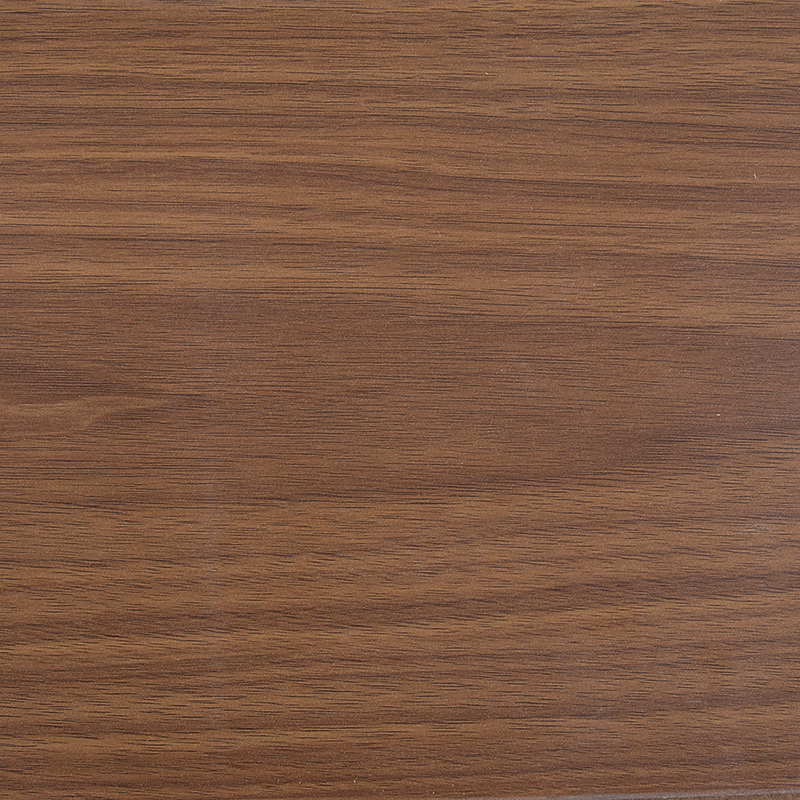
TSCA Title VI / CARB Phase 2 Compliant
Click System
Melamine Wear Layer with Aluminum Oxide
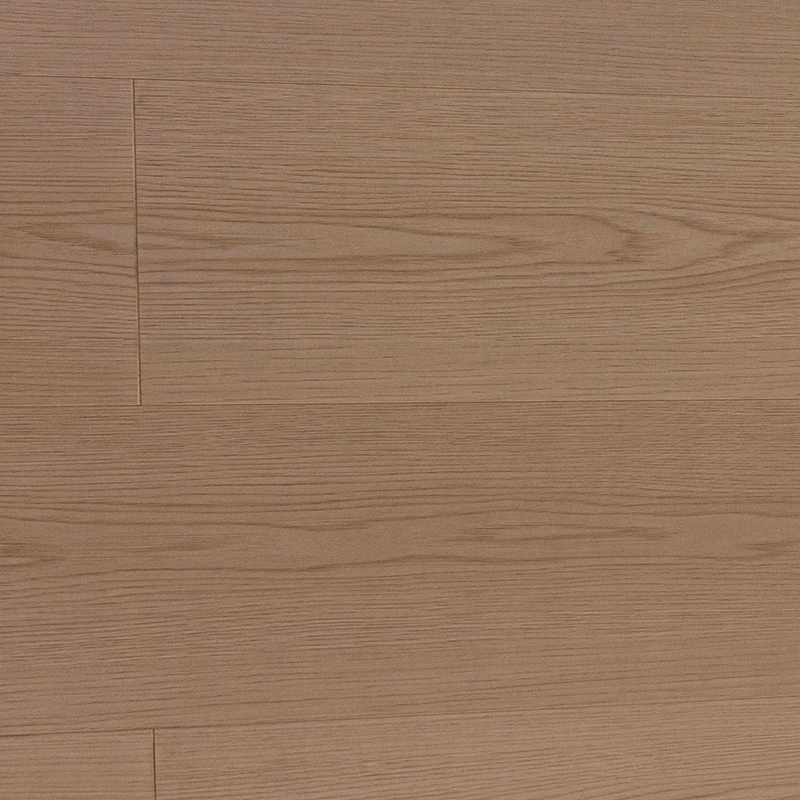
TSCA Title VI / CARB Phase 2 Compliant
Click System
Melamine Wear Layer with Aluminum Oxide
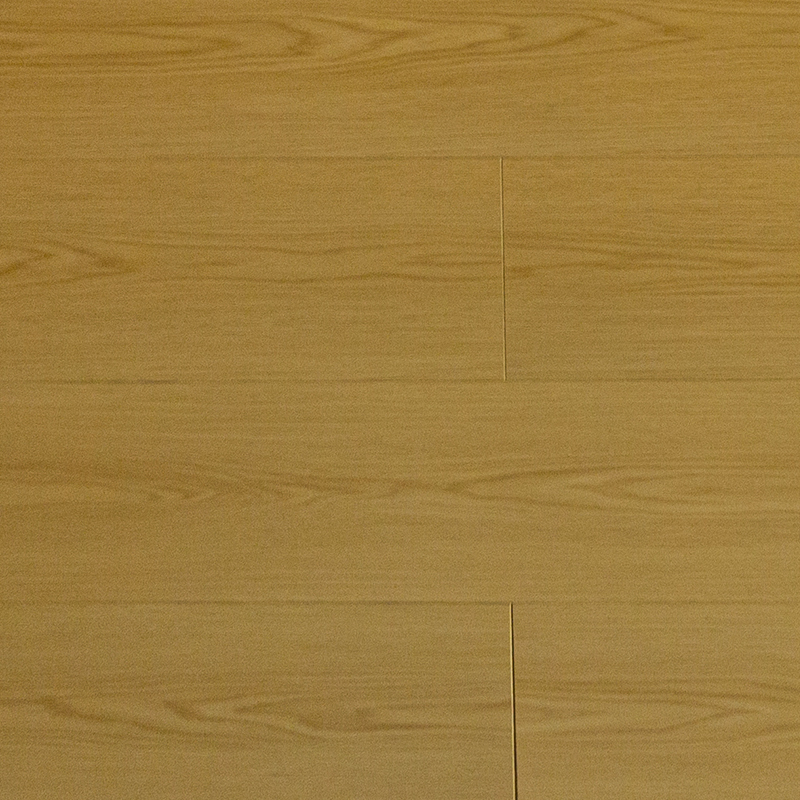
TSCA Title VI / CARB Phase 2 Compliant
Click System
Melamine Wear Layer with Aluminum Oxide
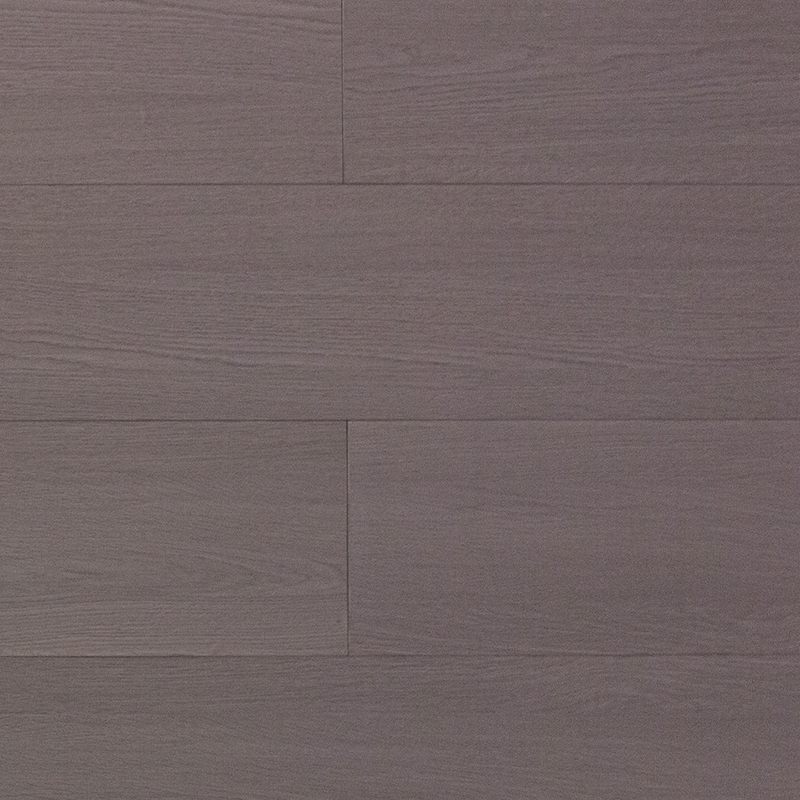
TSCA Title VI / CARB Phase 2 Compliant
Click System
Melamine Wear Layer with Aluminum Oxide
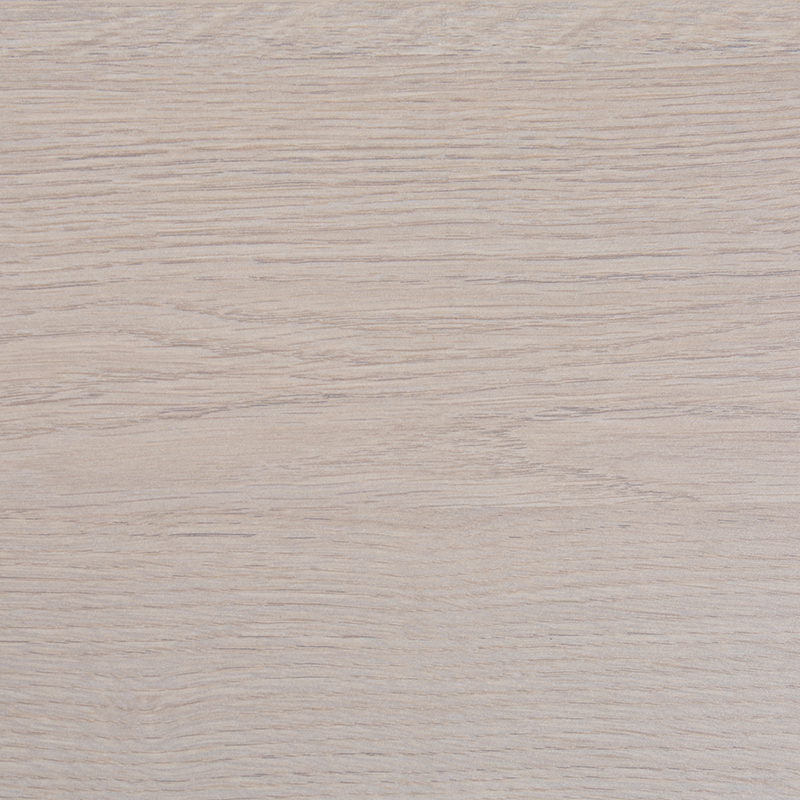
TSCA Title VI / CARB Phase 2 Compliant
Click System
Melamine Wear Layer with Aluminum Oxide
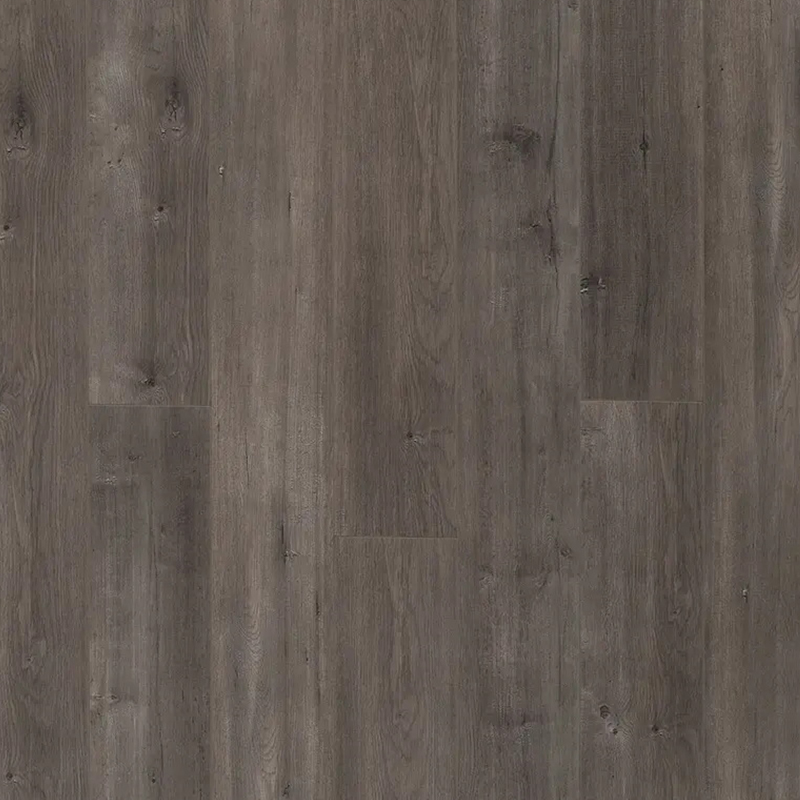
TSCA Title VI / CARB Phase 2 Compliant
Click System
Melamine Wear Layer with Aluminum Oxide
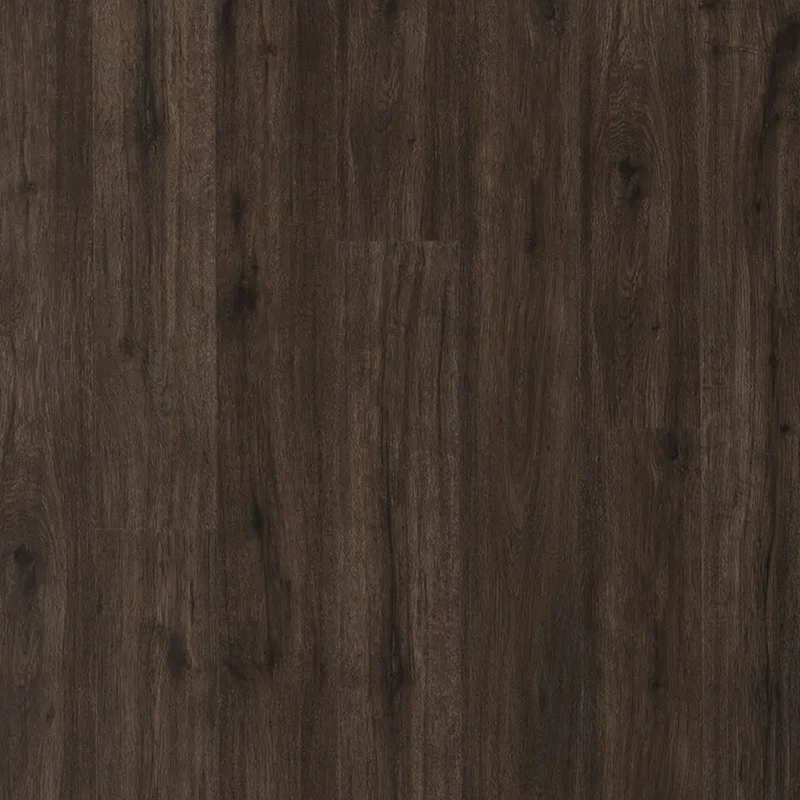
TSCA Title VI / CARB Phase 2 Compliant
Click System
Melamine Wear Layer with Aluminum Oxide
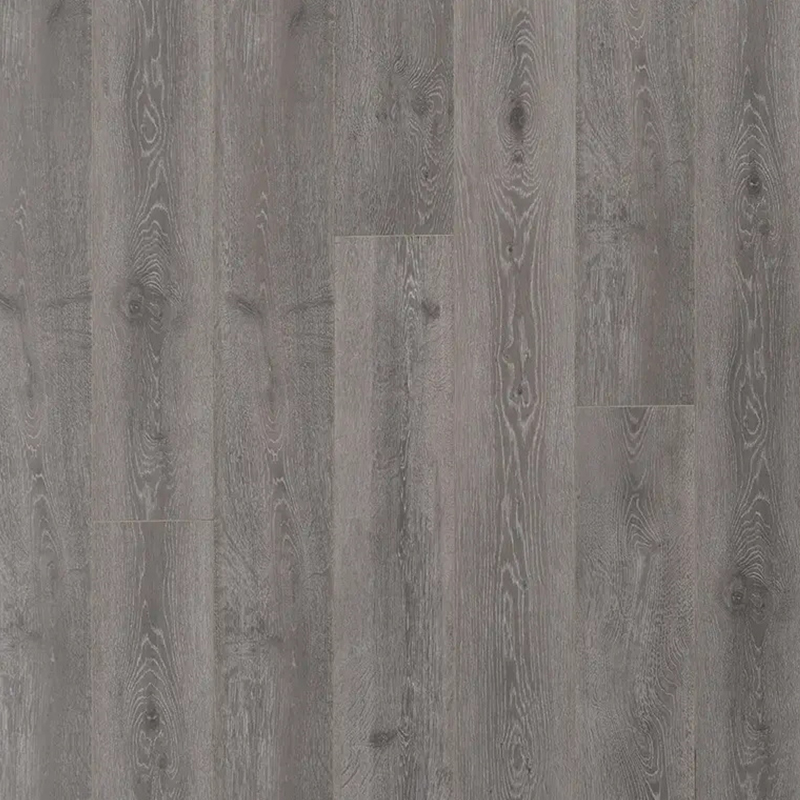
TSCA Title VI / CARB Phase 2 Compliant
Click System
Melamine Wear Layer with Aluminum Oxide
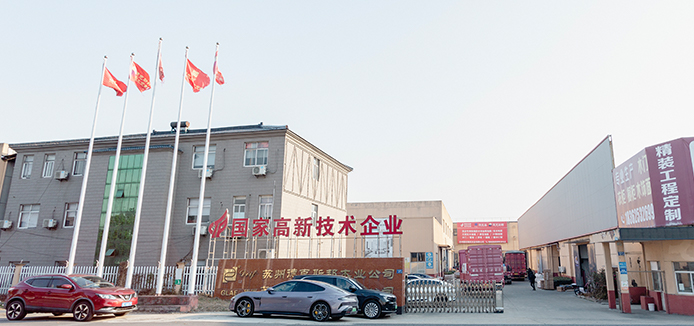
About DEIF

Production Base

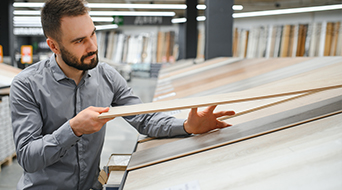
R&D Engineers

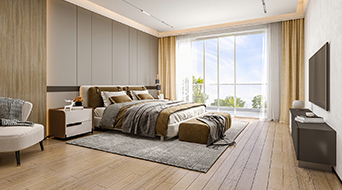
Global Partners
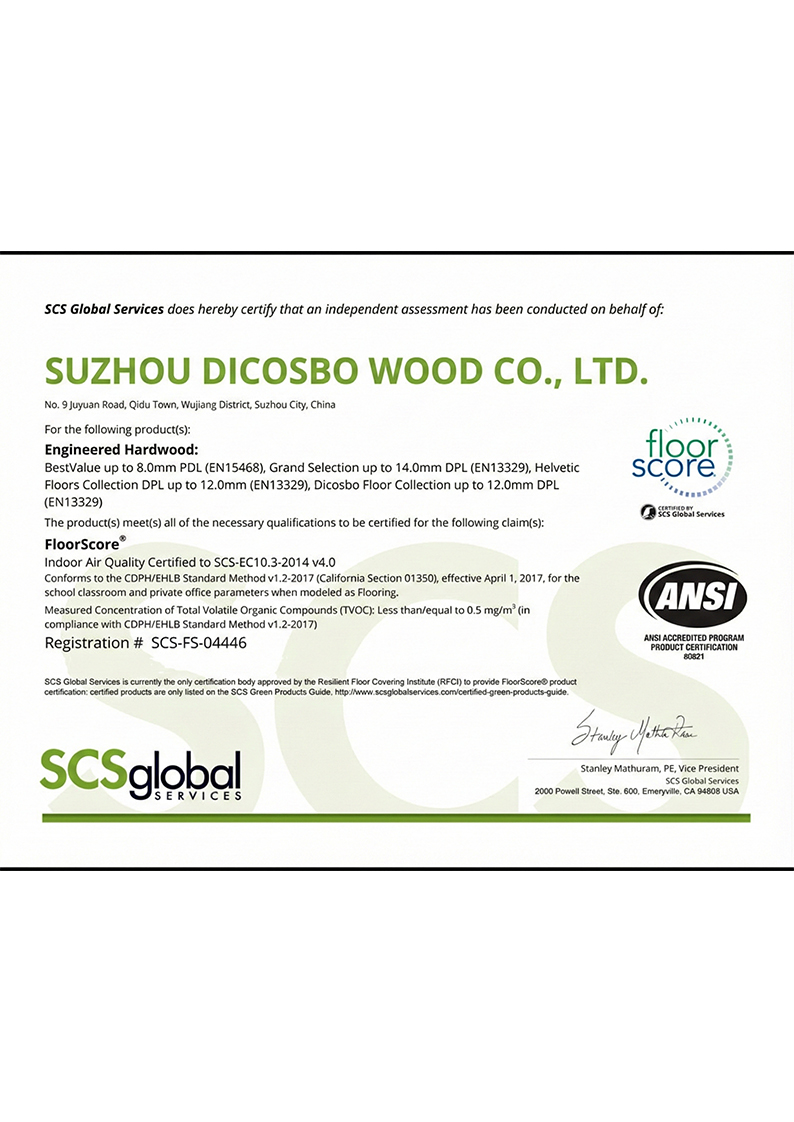
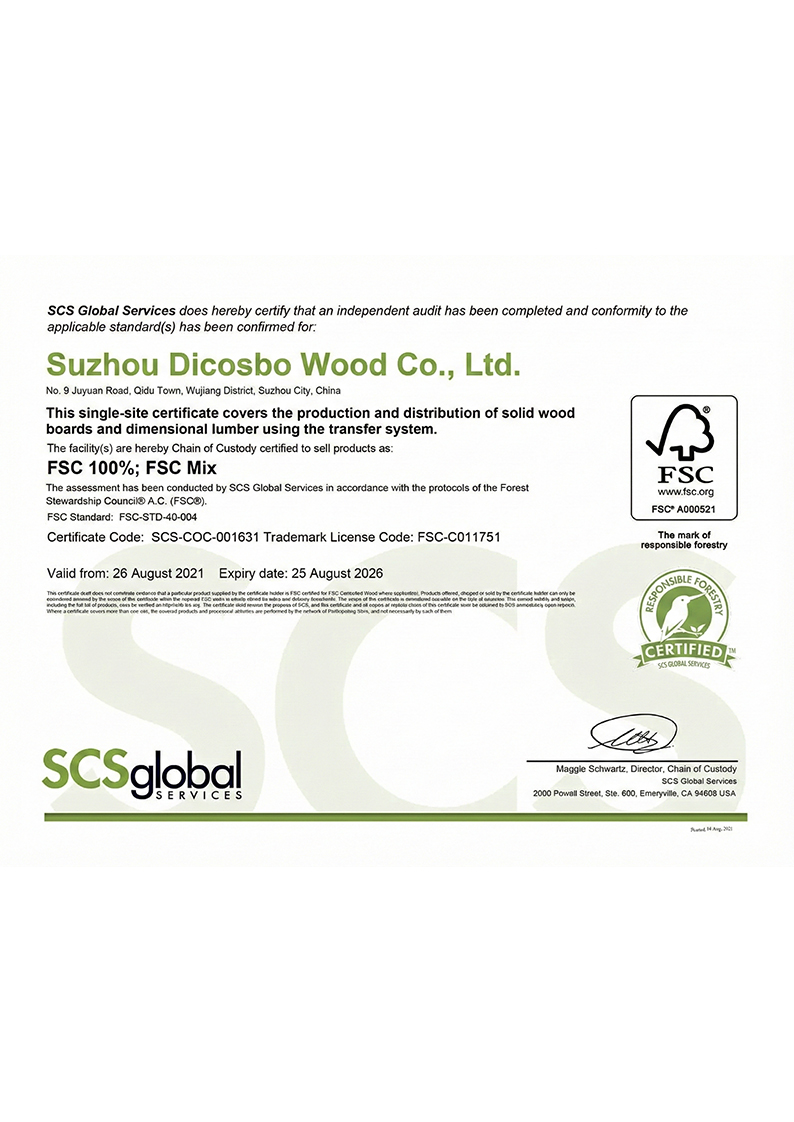
Our products have obtained EU CE safety certification, FSC Forest Stewardship certification, North American CARB P2 environmental certification, and ISO quality system certification (CE/FSC/CARB/ISO Certified).High-definition electronic and paper versions of all certificates are available upon request.Product quality meets the standards of major global markets. You can rest assured about compliance, and our products can be directly exported to many countries and regions around the world.
The Strategic Value of American Walnut Flooring in Wholesale Distribution In today's competitive flooring market, distributors and resellers face mounting pressure to source premi...
View MoreThe Art and Science Behind Premium Solid Hardwood Flooring Manufacturing When discerning architects, designers, and residential developers select flooring materials, they seek mor...
View MoreUnderstanding Project Wood Flooring Solutions Large-scale construction projects demand more than standard product delivery. When you oversee a hotel development spanning multiple ...
View MoreUnderstanding FSC Certification in Wood Flooring Manufacturing The global construction and interior design industry faces unprecedented scrutiny regarding material sourcing and en...
View MoreLaminate flooring has emerged as a highly preferred choice for both residential and commercial interiors due to its ability to replicate the appearance of natural wood while providing superior durability and cost-effectiveness. Unlike traditional solid wood floors, laminate flooring is constructed with multiple layers, typically including a high-density fiberboard core, a decorative layer with realistic wood or stone textures, and a protective wear layer. This composition makes it an ideal alternative for high-traffic areas and spaces where moisture and temperature fluctuations are a concern. The combination of aesthetic appeal and functional resilience has led to a significant increase in demand for decorative laminate flooring worldwide.
Another advantage of laminate flooring is its versatility. It can be installed over various subfloors including concrete, plywood, and even existing vinyl, making it an accessible option for renovation projects. The installation process is often designed to be straightforward, using click-lock mechanisms or tongue-and-groove systems, which reduces labor costs and installation time. Compared to luxury vinyl tile (LVT), laminate flooring offers a more rigid structure and a realistic texture that closely mimics natural hardwood, giving spaces a sophisticated and high-end look without the associated cost.
One of the key differences between decorative laminate flooring and luxury vinyl tile (LVT) lies in their material composition. While LVT is primarily composed of synthetic plastics, decorative laminate flooring combines wood-derived fibers with advanced resins to create a layered structure that emphasizes both durability and environmental responsibility. The core material, usually high-density fiberboard, provides structural stability, while the top wear layer ensures scratch and stain resistance. The decorative layer replicates the look of natural wood, offering an aesthetic quality that is difficult to achieve with vinyl.
Companies like Suzhou Dicosbo Wood Co,. Ltd. emphasize sustainability in the production of laminate flooring. Founded in 1999, Suzhou Dicosbo Wood Co,. Ltd. is a leading wood product manufacturer with 20,000㎡ of production facilities and 10+ years of export experience. Their approach integrates responsible sourcing of wood materials, with over 85% FSC-certified components, and the adoption of closed-loop water recycling and energy-efficient production methods. By focusing on material consistency and optimized cutting plans, they reduce unnecessary waste and improve yield, directly supporting sustainable interior projects.
When comparing laminate flooring with LVT, performance and longevity are critical factors to consider. Laminate flooring is highly resistant to scratches, dents, and fading due to its dense core and protective wear layer. This makes it suitable for both commercial and residential environments with heavy foot traffic. Additionally, modern laminate flooring products often incorporate water-resistant features, which minimize the risk of warping and allow use in areas such as kitchens and bathrooms where LVT may be more susceptible to damage over time.
In terms of thermal and acoustic properties, laminate flooring provides better insulation than LVT. The high-density core material can reduce noise transmission and provide a warmer underfoot feel, enhancing comfort and livability. The structured layering of synthetic wood flooring also allows it to expand and contract in a controlled manner, maintaining long-term stability and performance in diverse environmental conditions.
One of the most compelling advantages of decorative laminate flooring over LVT is the superior design flexibility. Modern laminate products offer an extensive range of wood textures, colors, and finishes, enabling designers and homeowners to achieve a highly customized look. The realistic textures and embossed surfaces replicate the natural variations found in hardwood, providing a tactile and visual richness that vinyl alternatives often lack.
Laminate flooring also supports modular design approaches. Planks can be arranged in various patterns, such as herringbone, chevron, or traditional straight layouts, offering limitless design possibilities. This adaptability allows interior designers to integrate the flooring seamlessly into both contemporary and classic aesthetics. By leveraging the advanced printing and finishing technologies used in decorative laminate, spaces can achieve a high-end appearance without the higher costs and maintenance requirements associated with solid hardwood or engineered wood floors.
Maintenance is a critical consideration in flooring selection. Decorative laminate flooring is easier to maintain than LVT, requiring simple cleaning routines without specialized products. Its wear-resistant surface protects against scratches, stains, and daily wear, extending the lifespan of the flooring and reducing replacement frequency. In commercial environments, this translates to lower operational costs and minimal downtime for maintenance activities.
From a life-cycle cost perspective, laminate flooring offers excellent value. The combination of initial affordability, durability, and low maintenance expenses results in a lower total cost of ownership compared to LVT. Furthermore, choosing sustainably produced synthetic wood flooring supports environmental goals and enhances the ESG profile of projects, which can be an important consideration for developers and architects seeking green certifications.
Installation is another area where laminate flooring outperforms LVT. Modern laminate flooring uses click-lock systems that allow floating installation, meaning it can be installed without adhesives or nails. This not only simplifies the installation process but also makes the flooring suitable for retrofit projects where the subfloor cannot be altered. In contrast, LVT often requires glue-down installation, which is more time-consuming and can limit future flexibility.
Additionally, laminate flooring is compatible with underfloor heating systems, providing uniform heat distribution without compromising structural integrity. The rigidity and dimensional stability of laminate planks ensure that they remain flat and securely in place over time, which is particularly important for large installations or commercial spaces.
| Feature | Decorative Laminate Flooring | Luxury Vinyl Tile (LVT) |
|---|---|---|
| Material Composition | High-density fiberboard core with decorative and protective layers | Primarily PVC or other plastics |
| Durability | Highly resistant to scratches, dents, and fading | Moderate resistance, prone to denting under heavy loads |
| Maintenance | Low maintenance, simple cleaning routines | Moderate, may require specialized cleaners |
| Environmental Impact | High, with FSC-certified wood and sustainable production | Lower, based on petroleum-based materials |
| Design Options | Extensive, realistic wood textures and finishes | Moderate, printed patterns with limited texture fidelity |
| Installation | Click-lock floating system, easy retrofit | Glue-down or click, may be more complex |
As a leading manufacturer in the wood products sector, Suzhou Dicosbo Wood Co,. Ltd. combines extensive industry experience with advanced production capabilities to deliver high-quality laminate flooring. Manufacturing & Capability include an annual production capacity of 2,400,000㎡ of flooring, equipped with German imported production lines and automated quality control systems. This allows for consistent quality, scalability, and adherence to both domestic and international standards.
The company's commitment to sustainability ensures that every decorative laminate flooring product supports responsible material use and long-term durability. Through closed-loop water recycling, optimized production workflows, and FSC-certified materials, they provide solutions that not only enhance interior aesthetics but also align with environmental responsibility. By integrating design flexibility, structural stability, and sustainability, Suzhou Dicosbo Wood Co,. Ltd. supports architects, contractors, and distributors in delivering projects with both visual impact and ESG compliance.
Laminate flooring is suitable for a broad range of applications, including residential living areas, office spaces, retail environments, and hospitality projects. Its ability to mimic natural wood textures while providing superior performance makes it particularly effective in high-traffic zones where durability is critical. The wide variety of plank sizes, surface finishes, and patterns allows designers to tailor flooring solutions to specific aesthetic and functional requirements.
For commercial projects, synthetic wood flooring offers a cost-effective solution that combines long-term performance with low maintenance. Additionally, the modular nature of laminate planks enables easy replacement of damaged sections, further extending the lifespan of installations and reducing waste. The integration of sustainable practices by manufacturers like Suzhou Dicosbo Wood Co,. Ltd. ensures that these solutions meet both operational and environmental objectives.
Choosing decorative laminate flooring over LVT provides significant advantages in terms of durability, aesthetics, sustainability, and life-cycle value. With its high-density core, realistic wood textures, ease of installation, and low maintenance requirements, laminate flooring offers a versatile and reliable solution for both residential and commercial applications. Additionally, selecting products from a reputable manufacturer like Suzhou Dicosbo Wood Co,. Ltd. ensures adherence to high-quality standards, sustainable sourcing, and long-term performance, making it a responsible and strategic choice for modern interior projects.
The primary difference lies in material composition. Laminate flooring uses a high-density fiberboard core with a decorative wood-like layer, while LVT is primarily made from PVC or other synthetic plastics. Laminate offers better scratch resistance and a more realistic wood appearance.
Yes, laminate flooring is designed for floating installation, which allows it to be installed over most existing floors, including concrete, plywood, and vinyl, without the need for adhesives or extensive subfloor preparation.
Decorative laminate flooring is highly durable, resistant to scratches, dents, and fading. With proper care, it can last for 15-20 years in residential settings and even longer in commercial applications.
Yes, sustainable manufacturers like Suzhou Dicosbo Wood Co,. Ltd. produce laminate flooring using FSC-certified wood, energy-efficient processes, and closed-loop water recycling, supporting environmentally responsible interior projects.
Modern laminate flooring offers water-resistant features suitable for kitchens, bathrooms, and other moisture-prone areas. However, it is recommended to use proper underlayment and follow installation guidelines to ensure long-term performance.

We provide customers with sustainable and eco-friendly
engineered wood solutions and services.
Choose DEIF for the perfect blend of
performance and aesthetics.
