Get Free Sample

Home / Selection Guidance

Choose Flooring

Choose Flooring

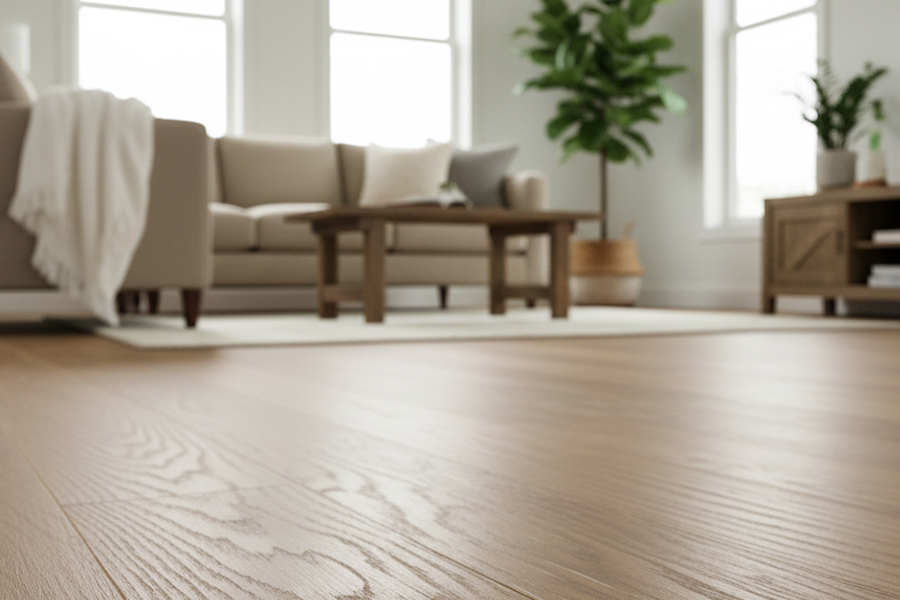
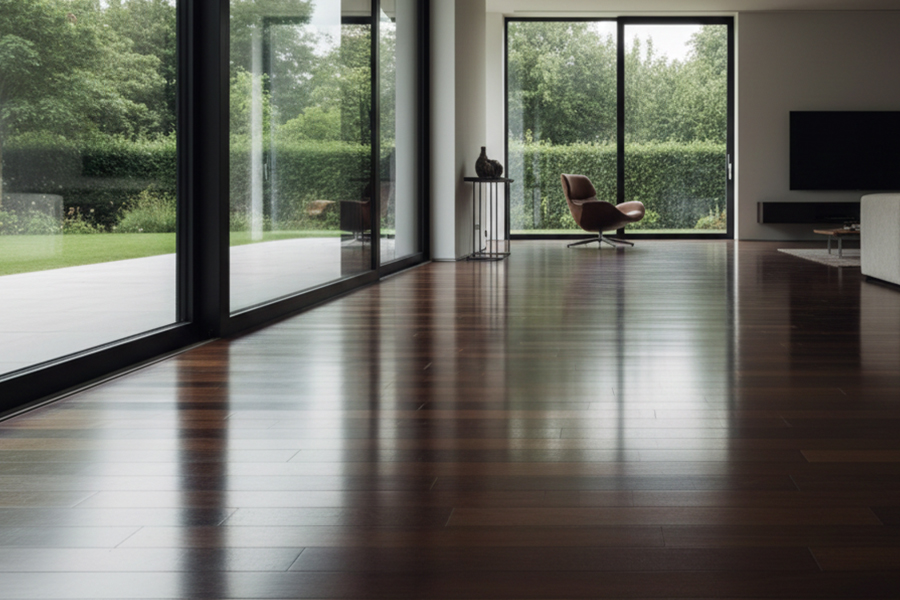
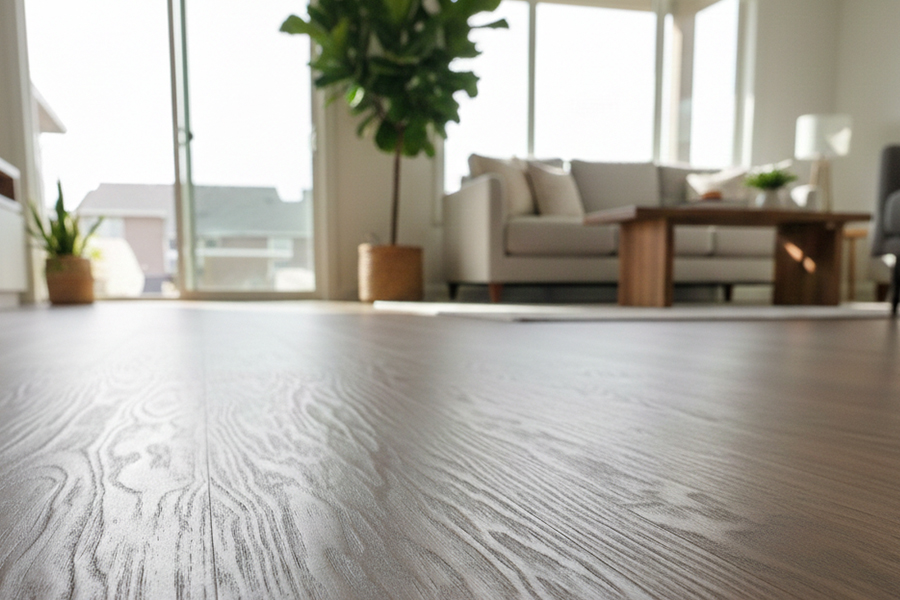
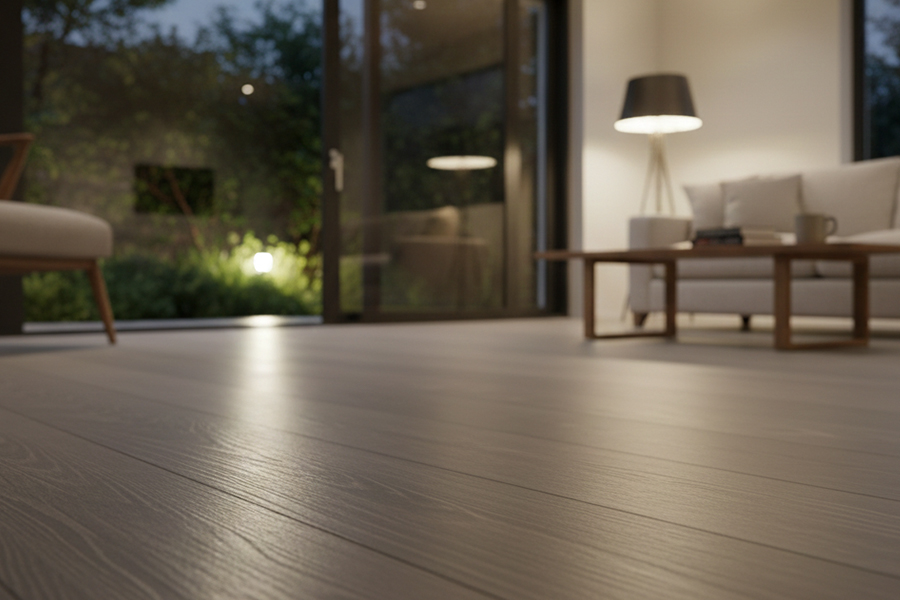
The choice of flooring is not only about aesthetics, but also closely related to space functionality, usage frequency and overall design.
DEIF has compiled clear flooring classifications and application recommendations for you.With just a few simple steps, you can quickly understand the characteristics of different wood flooring options and find solutions that match your project requirements.
Make your selection more efficient and your design more effortless.

Choose Doors

Choose Doors

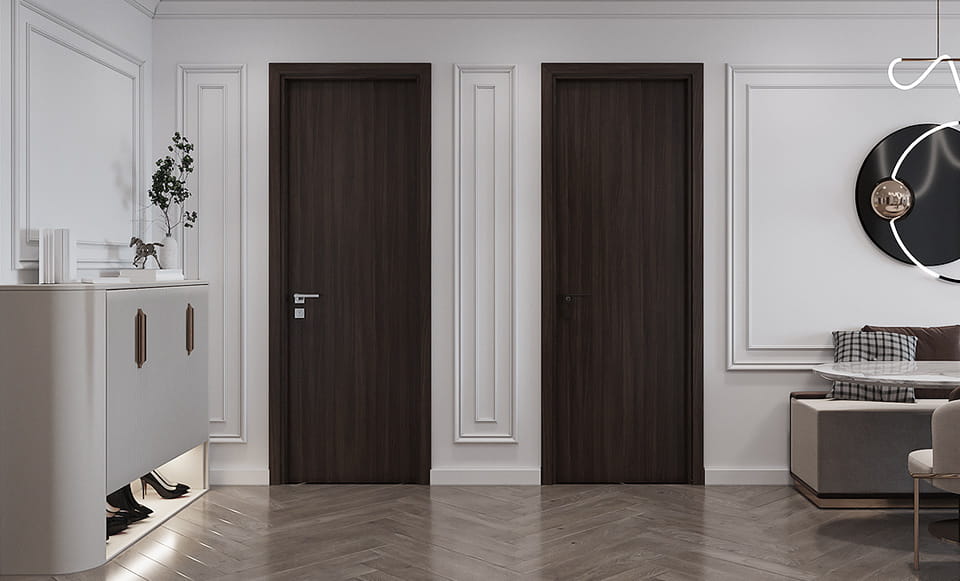
Choosing engineered wood doors can be really hassle-free. The selection of engineered wood doors is not only about appearance and texture, but also closely matched with space sound insulation, environmental protection standards, usage scenarios and overall design.
DEIF has sorted out a detailed classification and adaptation guide for engineered wood doors for you. With just a few simple steps, you can quickly grasp the core advantages of different styles of wooden doors and find a customized solution that matches your project positioning and spatial functions, making selection more efficient and your space more impressive.

Project Selection

The selection of wood flooring and wooden doors is not only about aesthetics, but also closely tied to spatial functionality, usage frequency and the overall design.
DEIF has systematically organized common selection approaches and practical application requirements to help you quickly understand the characteristics and applicable scenarios of different wood panel types, enabling you to make clearer and more reliable decisions in your design and project planning.
Contact Us for More

Start With the Space Type.

Requirements for wood panels vary significantly across different spaces. Clarifying the application scenario at the initial selection stage is the first step to narrowing down your options.
Each type of space differs in terms of usage intensity, visual expression and maintenance requirements, with corresponding variations in the structural design and key design considerations for wood panels.

Clarify your project type to narrow down flooring/door options.
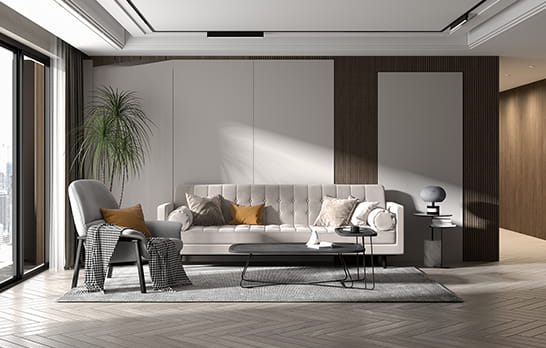
  1. Residential
  2. Hotel
  3. Commercial
  • Residential Spaces

  • Hotel and Resort Spaces

  • Commercial and Public Spaces

Selection of Structural Types.

Understanding the Core Differences Between Different Composite Wood Panels. The structure of wood panels directly impacts stability, service life and scope of application. At the structural selection stage, it is essential to comprehensively consider spatial conditions, design orientation and long-term usage requirements.

Choose the right structure based on stability and application needs.
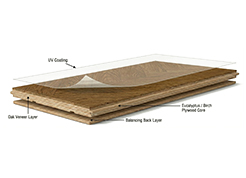
  1. Engineered
  2. Multilayer
  3. Parquet
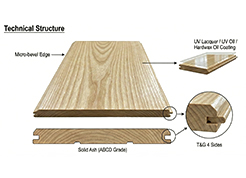
  1. Engineered Wood Flooring

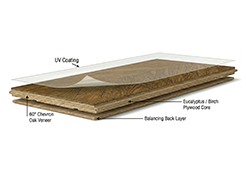
  2. Engineered Wood Flooring

  3. Parquet & Pattern Flooring

Structure Type

Stability

Application Scenarios

Floor Heating Compatible

Price

Engineered Wood Flooring High Commercial, underfloor heating Mid-High
Multilayer Wood Flooring Medium Residential, light commercial Mid
Parquet & Pattern Flooring Medium Hospitality, high-end design High

Considerations for Usage Frequency and Durability

Different usage intensities demand different product specifications. Wood flooring bears varying levels of usage intensity across different spaces. For high-frequency usage spaces, greater emphasis is placed on structural stability and durability performance. For medium and low-frequency spaces, more consideration can be given to design performance and material details. A reasonable assessment of usage frequency helps strike a balance between aesthetics and performance, avoiding over-design or insufficient performance issues.

Select durability levels to match your project’s usage intensity.

  1. High-traffic
  2. Medium
  3. Low

The Role of Flooring in the Overall Design

Flooring is one of the most extensive visible materials in an interior space, and its color, texture and laying method directly influence the overall ambiance. Flooring should serve the overall design rather than exist in isolation.

Align flooring/door design with your project’s aesthetic

  1. Modern
  2. Minimalist
  3. Classic

When selecting products, consideration can be given to the following dimensions:

Wood Species & Tone

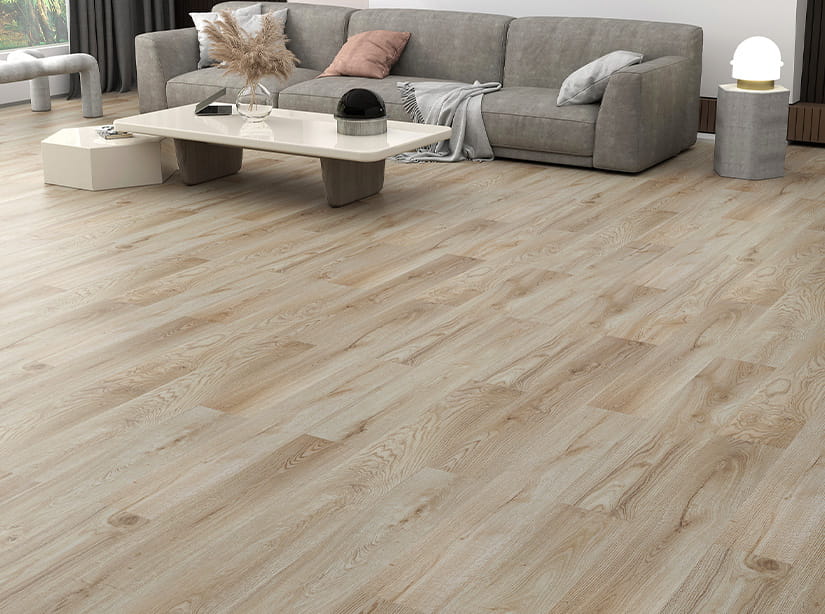
  1. Light
  2. Natural
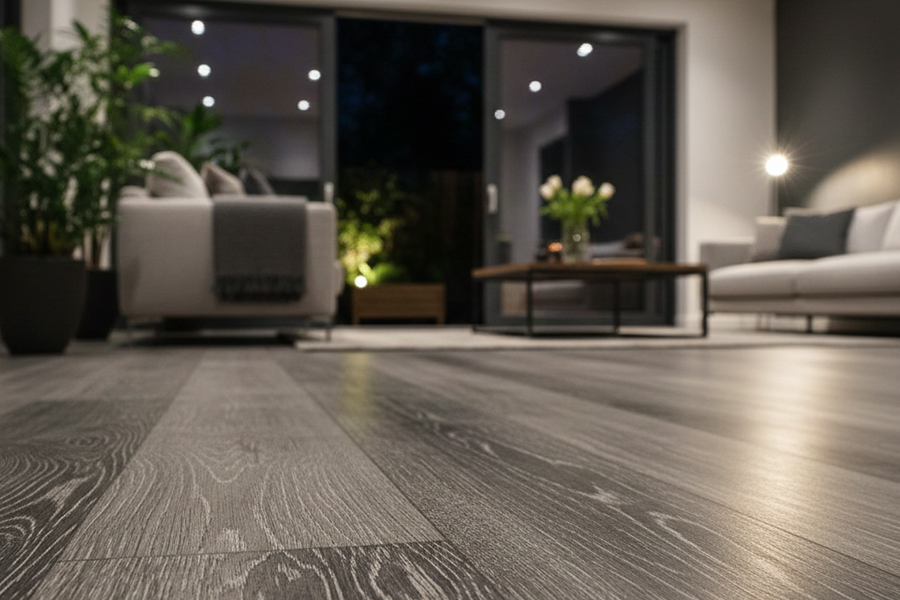
  3. Dark

Surface Texture

  1. Natural
  2. Delicate
  3. Textured

Panel Specifications & Paving Proportion

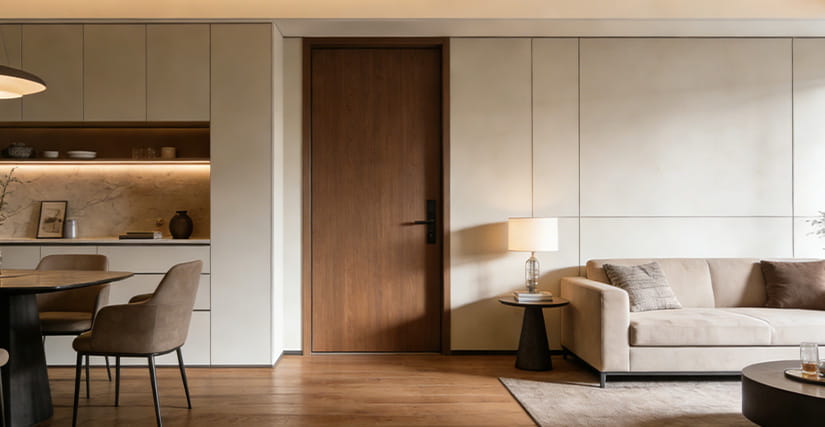
Overall Coordination of Flooring and Wooden Doors

Establish a Unified Spatial Language

In a complete interior design, the coordination of flooring and wooden doors is equally important. Through echoes in tone, texture or details, flooring and wooden doors can form a natural visual continuity, keeping the space consistent and coherent across different areas. In its selection recommendations, DEIF always encourages starting from the overall space and considering the coordinated relationship between the floor and vertical surfaces at the same time.

Ensure visual harmony between flooring and doors for a cohesive space.
  • Carbonization Flooring

  • Chemical Flooring

  • Deep Brushed Flooring

  • Flat Flooring

  • Hand Scraped Flooring

  • Light Brushed Flooring

  • Smoked Flooring

  • White Wash Flooring

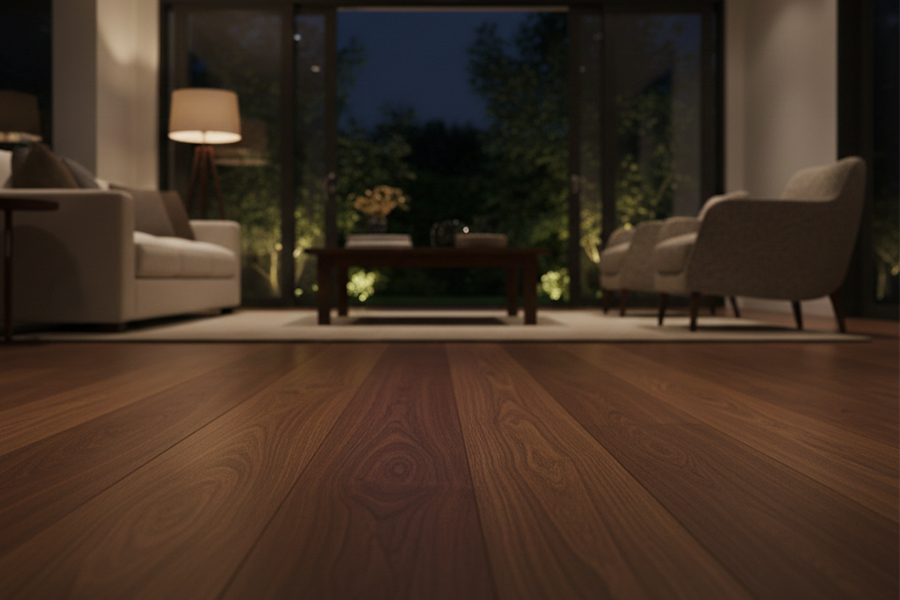
The Role of Flooring in the Overall Design

In some projects, standard specifications may not fully meet design or spatial requirements. In such cases, the following can be considered based on actual conditions:

Ensure visual harmony between flooring and doors for a cohesive space.
  1. Non-standard dimensions
  2. Special surface finishes
  3. Specific structural or design requirements

Clarifying these requirements in advance during the selection stage will facilitate the smooth progress of subsequent solutions.

Contact Us to Customize Your Project