


 English
 Español
 عربى
عربى
Deep Merlot Solid Taun Flooring, Glossy Protection
- Solid Wood Core
- E0 Environmental Standard
- Tongue-and-Groove Installation
- Underfloor Heating Compatible
- CE & FSC Certified
- Warm & Comfortable Underfoot
- Customizable
 Get Free Sample

Product coverage: Solid wood, engineered wood, vinyl for diverse markets.
Stable supply chain: 20,000㎡ base + 10+ years’ experience for stability.
Competitive price: Favorable bulk prices for market competitiveness.
OEM/ODM: Logo labeling, custom sizes/finishes for branding.
Logistics & packaging: One-stop moisture-proof packaging + integrated logistics.
On-time delivery: Timely supply even in peak seasons.
Lead time: 15-20 days (regular), expedited service available.
Certification: UL/EN fire + EU E0 environmental certification.
Easy installation: T&G locking system, reducing construction costs.
Bidding support: Favorable project pricing.
Spot supply: Available for urgent orders to avoid delays.
Trendy design: 2026-friendly textures/colors, diverse finishes.
Natural texture: Retain wood grains for space aesthetics.
Sustainability: FSC/LEED certified.
Samples: Premium samples for evaluation/matching.
BIM/CAD models: Downloadable for design convenience.
This category shows 53 products.
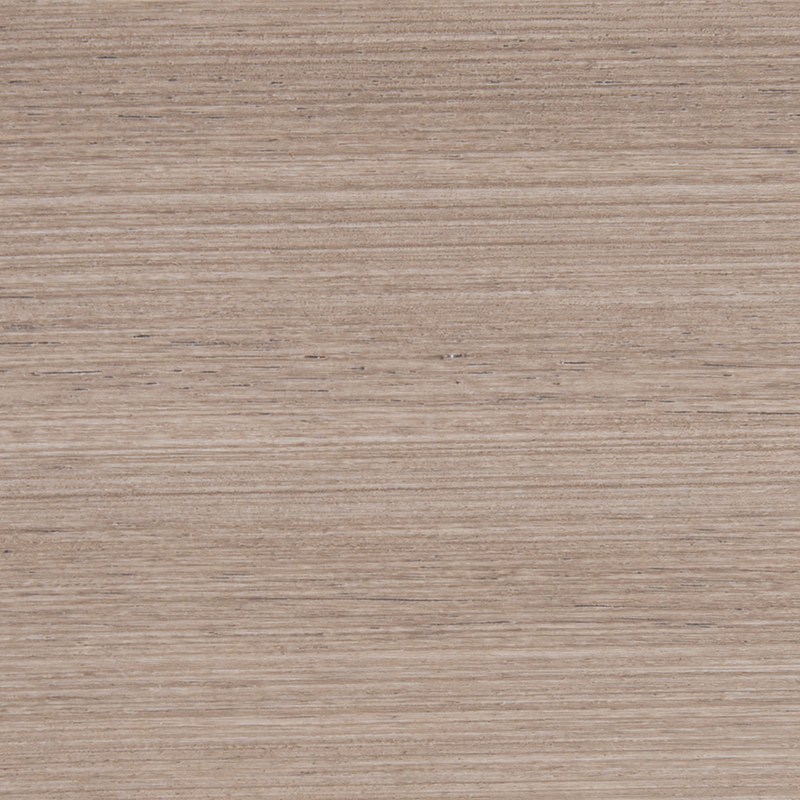
UV Lacquer/UV Oil/Hardwax Oil
Click System
AB Grade (Select)
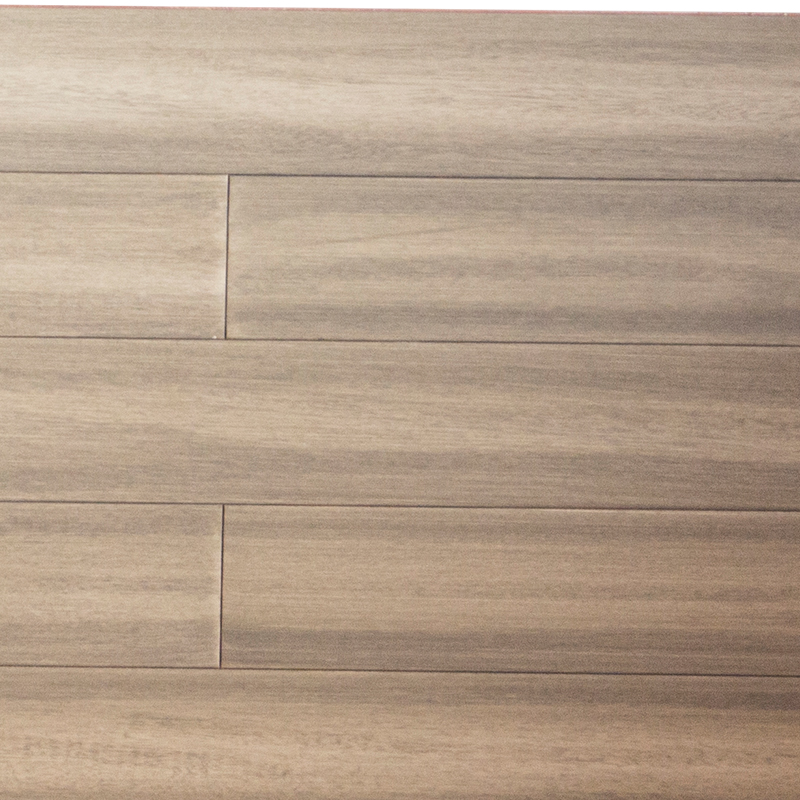
UV Lacquer/UV Oil/Hardwax Oil
Click System
AB Grade (Select)
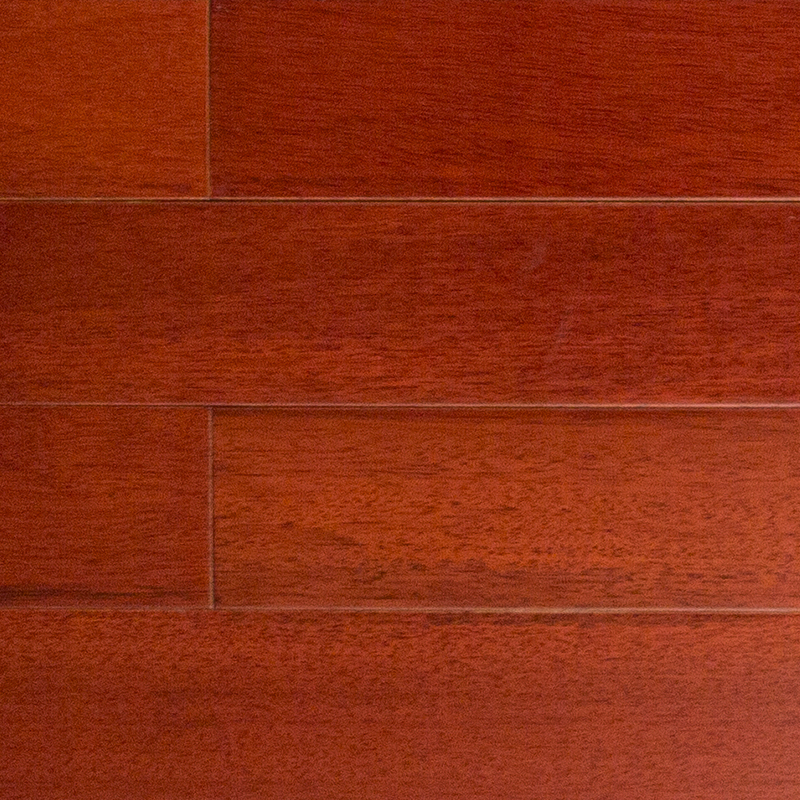
UV Lacquer/UV Oil/Hardwax Oil
T&G
AB Grade (Select)
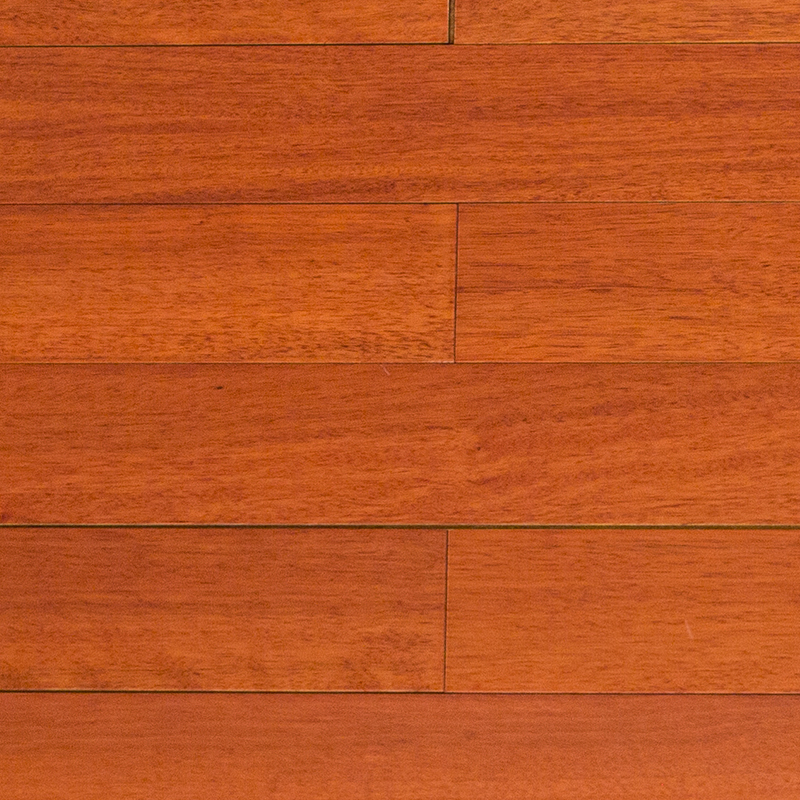
UV Lacquer/UV Oil/Hardwax Oil
T&G
AB Grade (Select)
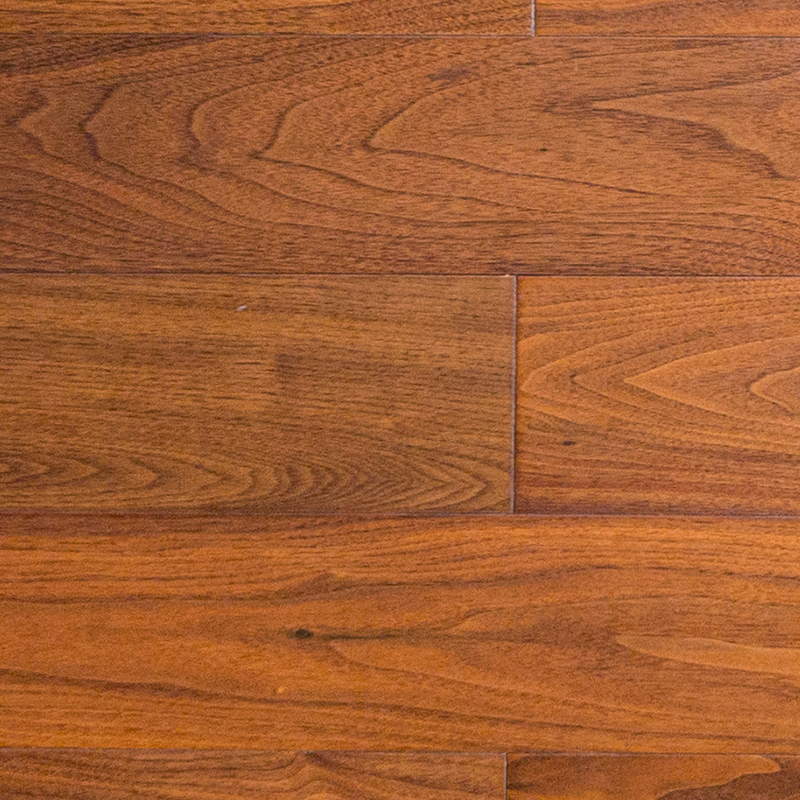
UV Lacquer/UV Oil/Hardwax Oil
Click System
ABC Grade (Natural)
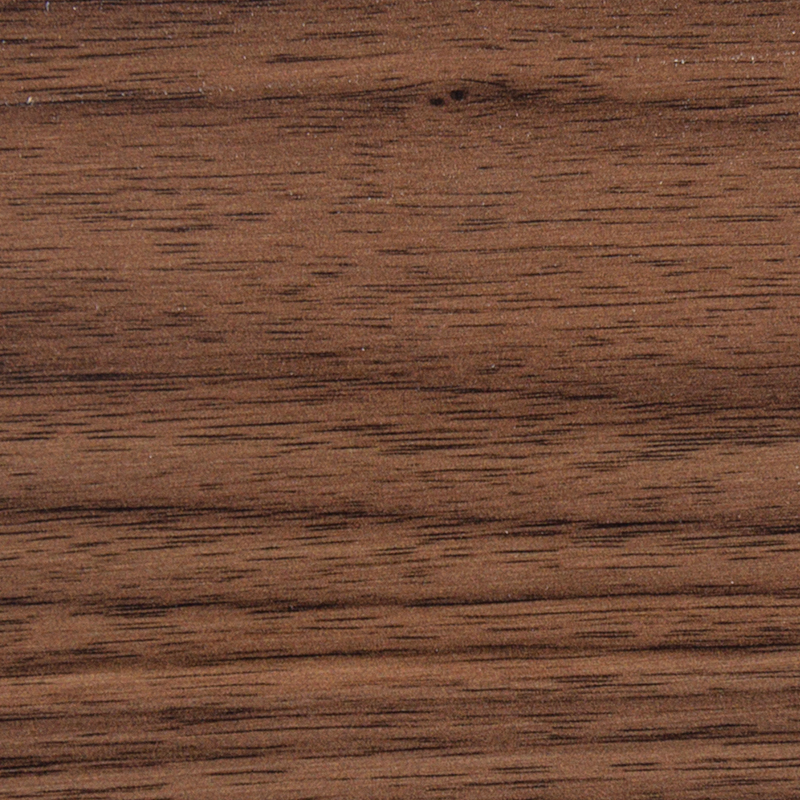
UV Lacquer/UV Oil/Hardwax Oil
Click System
ABC Grade (Natural)
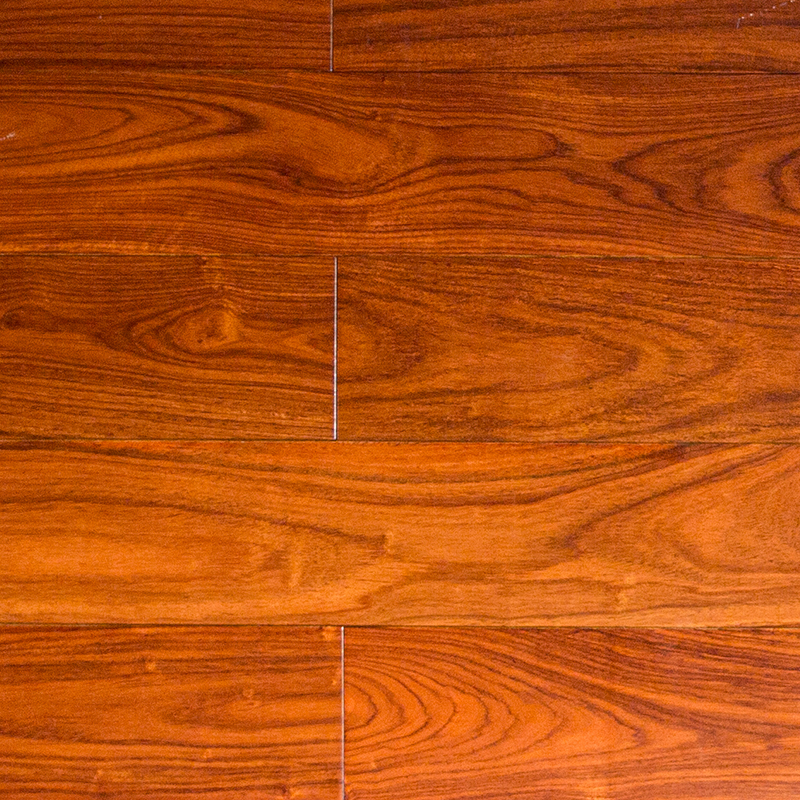
UV Lacquer/UV Oil/Hardwax Oil
Click System
ABC Grade (Natural)
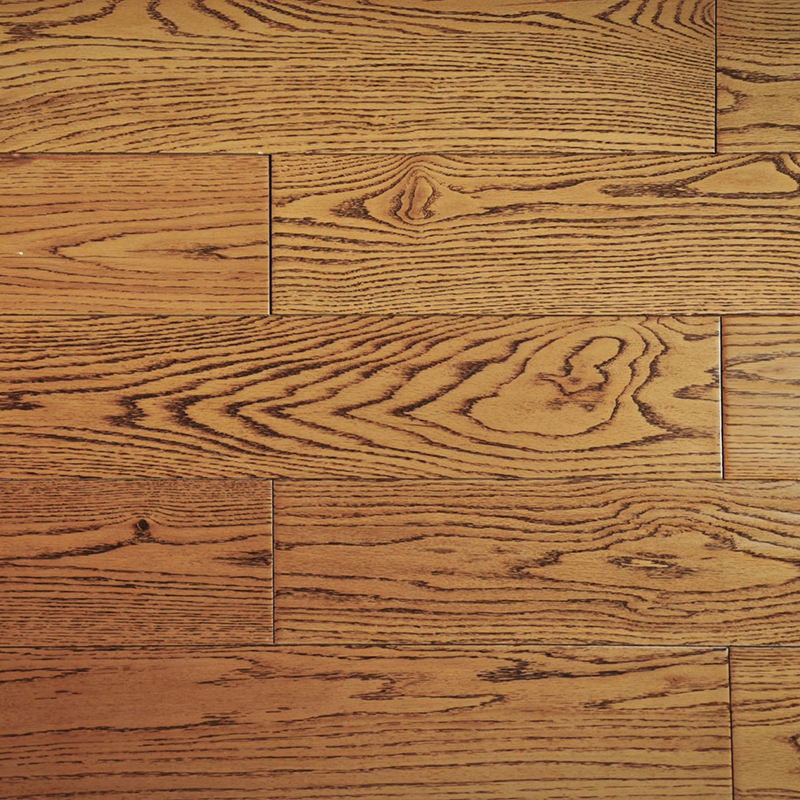
UV Lacquer/UV Oil/Hardwax Oil
T&G
ABCD Grade (Character)
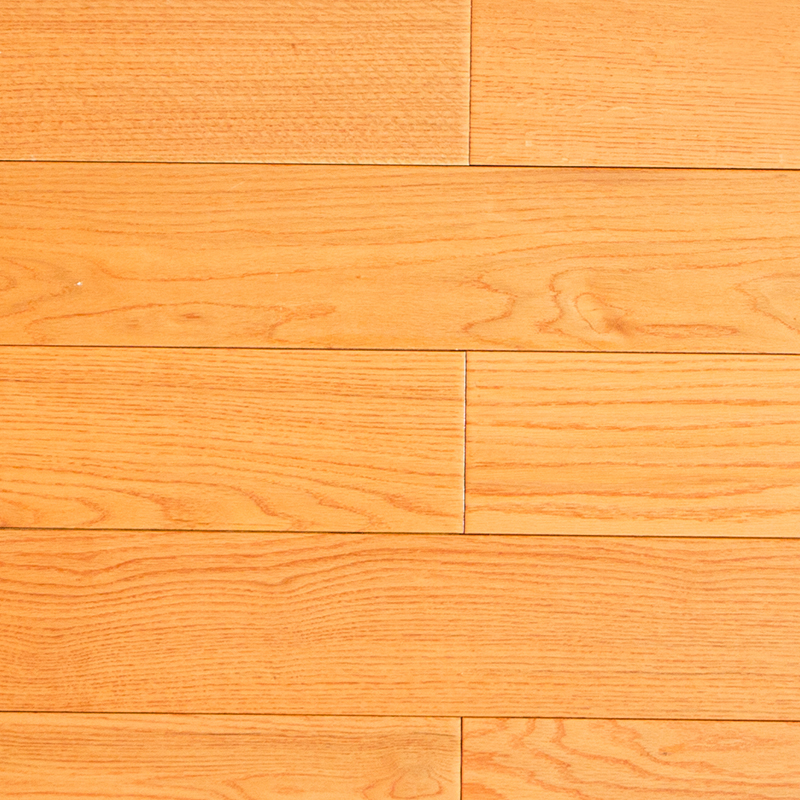
UV Lacquer/UV Oil/Hardwax Oil
T&G
ABCD Grade (Character)
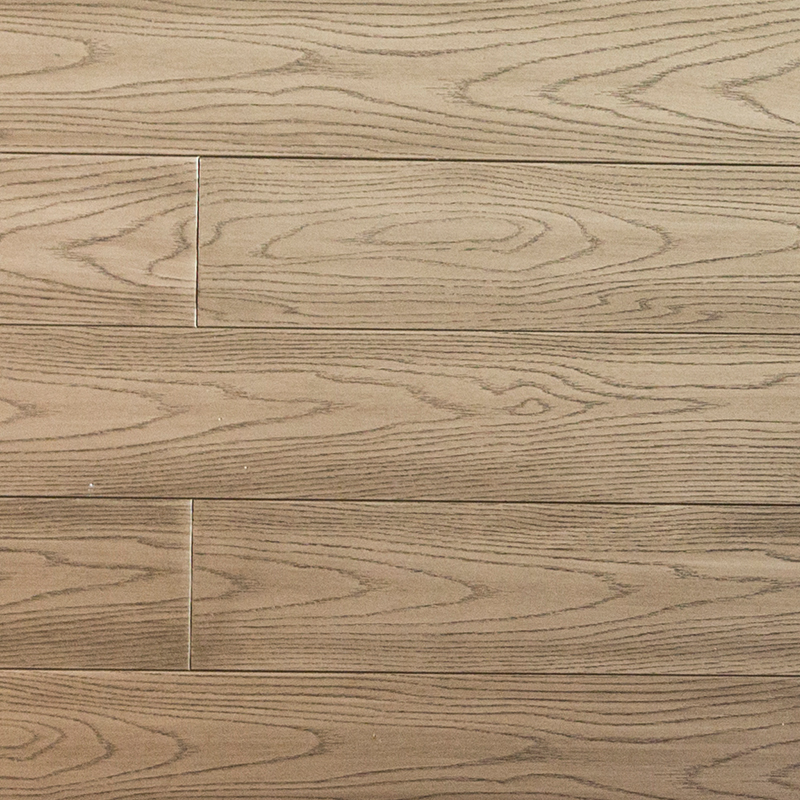
UV Lacquer/UV Oil/Hardwax Oil
T&G
ABCD Grade (Character)
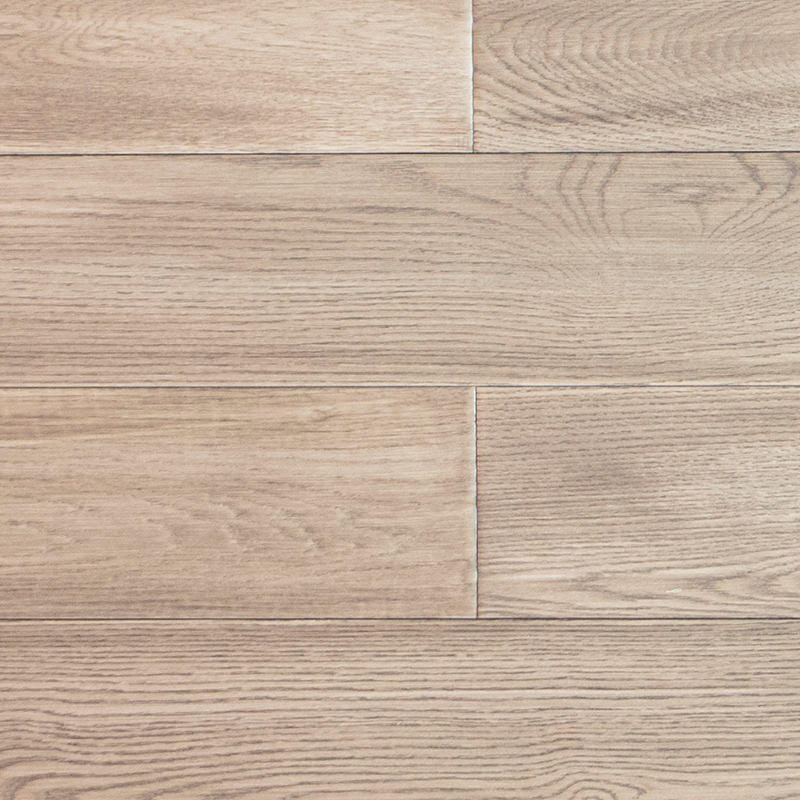
UV Lacquer/UV Oil/Hardwax Oil
T&G
ABCD Grade (Character)
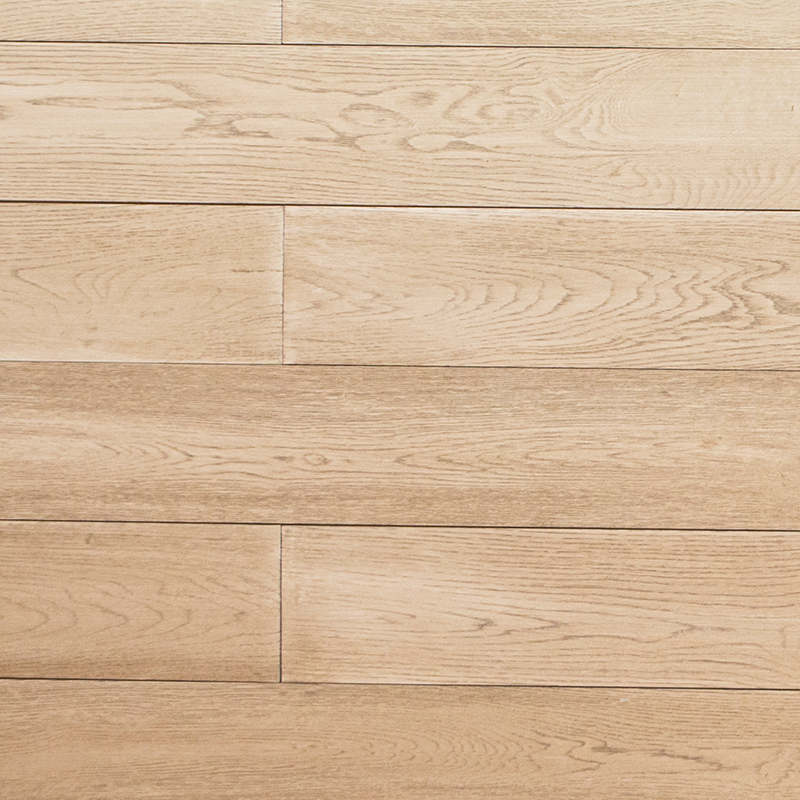
UV Lacquer/UV Oil/Hardwax Oil
T&G
ABCD Grade (Character)
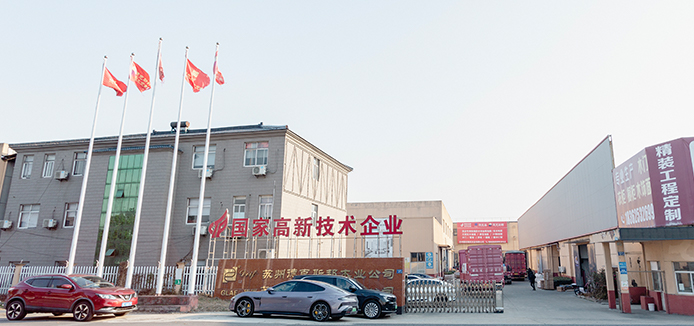

About DEIF

Production Base

R&D Engineers

Global Partners
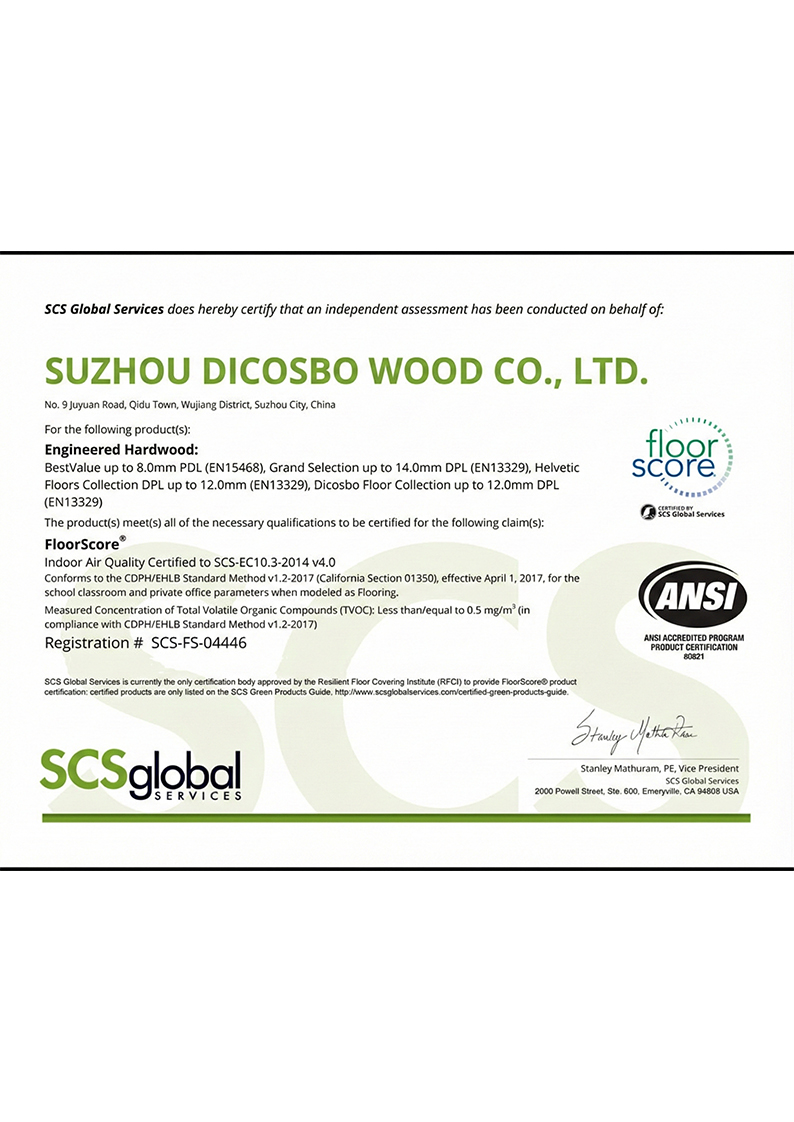
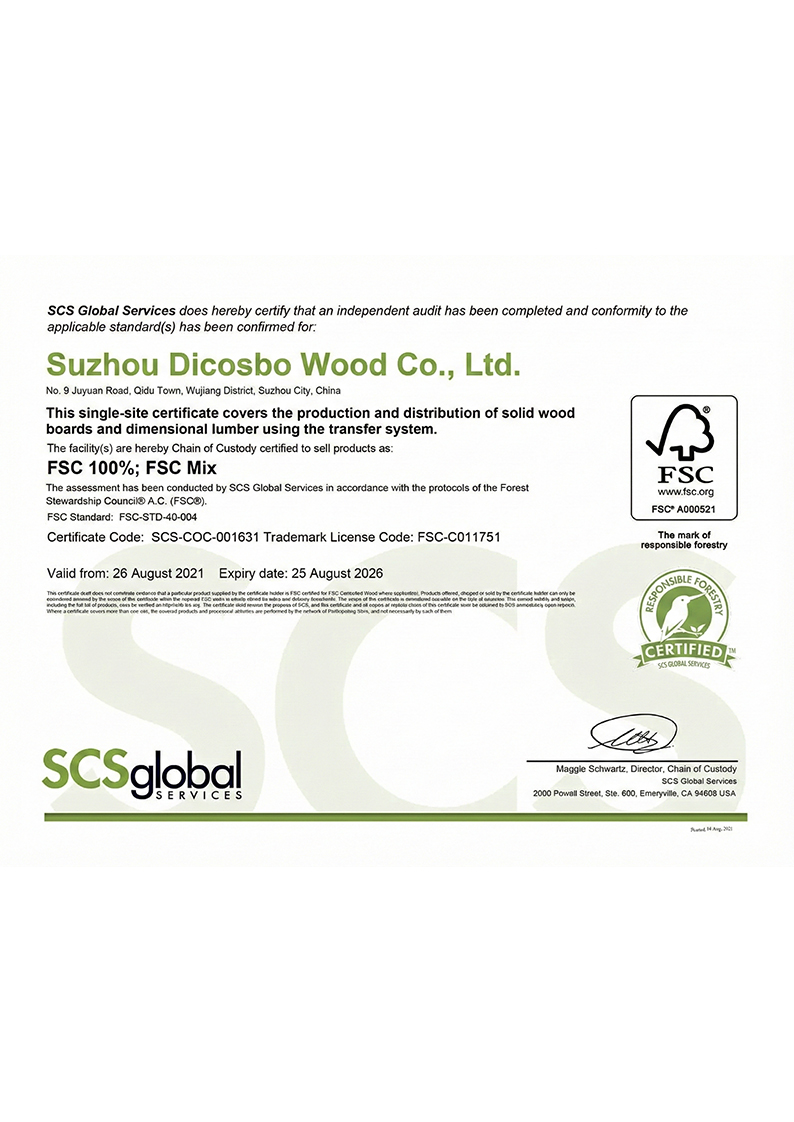
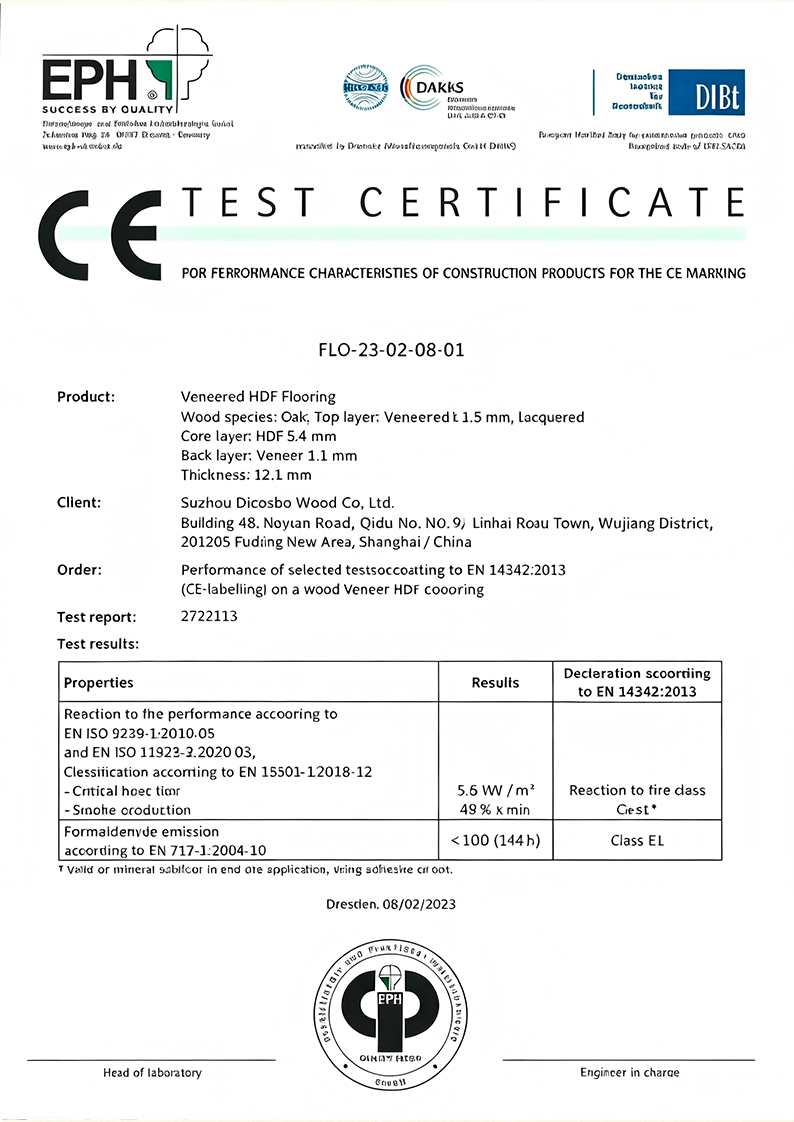
Our products have obtained EU CE safety certification, FSC Forest Stewardship certification, North American CARB P2 environmental certification, and ISO quality system certification (CE/FSC/CARB/ISO Certified).High-definition electronic and paper versions of all certificates are available upon request.Product quality meets the standards of major global markets. You can rest assured about compliance, and our products can be directly exported to many countries and regions around the world.
The Strategic Value of American Walnut Flooring in Wholesale Distribution In today's competitive flooring market, distributors and resellers face mounting pressure to source premi...
View MoreThe Art and Science Behind Premium Solid Hardwood Flooring Manufacturing When discerning architects, designers, and residential developers select flooring materials, they seek mor...
View MoreUnderstanding Project Wood Flooring Solutions Large-scale construction projects demand more than standard product delivery. When you oversee a hotel development spanning multiple ...
View MoreUnderstanding FSC Certification in Wood Flooring Manufacturing The global construction and interior design industry faces unprecedented scrutiny regarding material sourcing and en...
View MoreThe timber species chosen for a solid wood flooring installation determines not only its visual character but its practical performance envelope. Janka hardness — the standard measure of resistance to surface indentation — varies dramatically across commonly specified species: European oak sits at approximately 1,120 lbf, hard maple at 1,450 lbf, and Brazilian cherry (Jatoba) at 2,350 lbf. For residential living areas with normal foot traffic, oak and ash provide adequate hardness with broad aesthetic versatility. Spaces subject to concentrated point loading from furniture casters, high heels, or commercial foot traffic benefit from harder species that resist denting under sustained pressure.
Grain pattern and figure are equally important specification variables. Quarter-sawn and rift-sawn cuts expose tighter, more linear grain patterns and — critically — exhibit significantly less seasonal movement than flat-sawn planks from the same species. Quarter-sawn oak, for example, moves approximately 1mm per meter width per 4% change in moisture content, compared to 3–4mm for flat-sawn material. For wide-plank installations or environments with seasonal humidity variation, cut orientation should be confirmed with the supplier rather than assumed.
Color stability over time is a further species-dependent characteristic. Some species — including cherry and pine — undergo pronounced photochemical darkening within the first 6–12 months of installation when exposed to natural light, while others such as white oak and walnut maintain relatively stable color. Specifiers working on projects where long-term color consistency is a design requirement should request aged sample panels from the manufacturer rather than relying on newly finished samples alone.
Wood flooring grades define the permitted range of natural character — knots, color variation, sapwood presence, minor mineral streaks — within a given product. Grading terminology is not standardized globally, which creates confusion when comparing products across manufacturers or importing across markets. The most widely referenced systems are the NHLA (National Hardwood Lumber Association) grades used in North American markets and the European DIN/EN grading conventions, though many manufacturers apply proprietary grade names that map loosely to these frameworks.
In practical terms, the key distinction is between select or prime grades — which restrict knots, sapwood and color variation to produce a uniform, clean appearance — and character, rustic or natural grades, which embrace the full range of natural features present in the timber. Neither grade is inherently superior; the appropriate choice depends entirely on the design intent and the aesthetic expectations of the end client. Misalignment between grade specification and client expectation is one of the most common sources of dissatisfaction in flooring installations, and is best addressed by presenting physical samples under conditions that approximate the final installation environment before order confirmation.
Buyers sourcing across multiple projects should also be aware that the same grade designation from different manufacturers can produce noticeably different visual outcomes, as the permitted tolerances within each grade category are interpreted differently in production. Requesting pre-production samples from the specific production batch — rather than relying on catalogue or showroom samples — is the most reliable quality assurance measure available.
More installation failures in solid hardwood flooring originate from moisture mismanagement than from any other cause. Wood is hygroscopic — it continuously exchanges moisture with its surrounding environment until it reaches equilibrium moisture content (EMC) with the ambient conditions. When flooring is installed before reaching EMC, or when subfloor moisture levels exceed permitted thresholds, the resulting expansion or contraction can cause cupping, crowning, gapping or — in severe cases — structural buckling that requires complete reinstallation.
Subfloor moisture testing is a non-negotiable prerequisite before any solid wood installation. For concrete subfloors, the most reliable method is the in-situ relative humidity probe test (ASTM F2170 or equivalent), which measures moisture at depth rather than surface only. Most solid hardwood manufacturers specify a maximum subfloor RH of 75–80% for concrete; readings above this threshold require remediation before installation proceeds. For timber subfloors, a pin-type moisture meter reading of 12% or below is typically the acceptance threshold, with the subfloor and flooring moisture content differential not exceeding 4%.
Acclimatization — allowing the flooring to adjust to the installation environment's temperature and humidity before fixing — is required for solid hardwood in most installation guidelines. The duration varies by species, plank width and the difference between storage and installation conditions, but a minimum of 72 hours in the installation space is a baseline recommendation. Wider planks and denser species require longer acclimatization periods. DEIF provides installation technical documentation covering acclimatization requirements, subfloor preparation standards and moisture testing protocols as part of its project support process, giving installation teams the reference framework needed to avoid the most common field errors.
The ability to sand and refinish is the defining long-term advantage of solid hardwood over all alternative flooring types. A standard 18–20mm solid hardwood plank can typically support three to five full sanding cycles across its service life, with each cycle restoring the surface to original condition and resetting the clock on surface wear. This refinishing potential effectively transforms an upfront capital investment into a multi-decade asset — a calculation that is particularly relevant for hospitality and commercial projects where flooring replacement would otherwise require full operational disruption.
The interval between refinishing cycles depends on traffic intensity, surface finish type and maintenance discipline. In residential settings with appropriate daily maintenance, a quality UV-cured finish typically requires refinishing every 8–15 years. In high-traffic commercial or hospitality environments, this interval shortens to 3–7 years. Penetrating oil finishes in the same environments require more frequent maintenance — periodic re-oiling every 1–2 years — but allow spot repair of damaged areas without full-floor sanding, which is an operational advantage in spaces that cannot be taken out of service for extended periods.
Daily maintenance practice has a greater cumulative effect on floor appearance and longevity than finish type or species selection. The primary causes of premature finish wear are abrasive grit tracked in from exterior spaces, moisture left standing on the surface, and inappropriate cleaning products that degrade the finish chemistry over time. Entrance matting systems that capture grit before it reaches the floor, prompt mopping of spills, and pH-neutral cleaning products formulated for the specific finish type are the three maintenance measures with the highest impact on service life extension. With years of experience supporting residential, commercial and hotel installations globally, DEIF provides maintenance guidance tailored to each product and finish specification as part of its after-sales support framework.
We provide customers with sustainable and eco-friendly
engineered wood solutions and services.
Choose DEIF for the perfect blend of
performance and aesthetics.
