Is Dark American Walnut Flooring More Prone to Showing Dirt? How to Prevent Scratches and Fading?
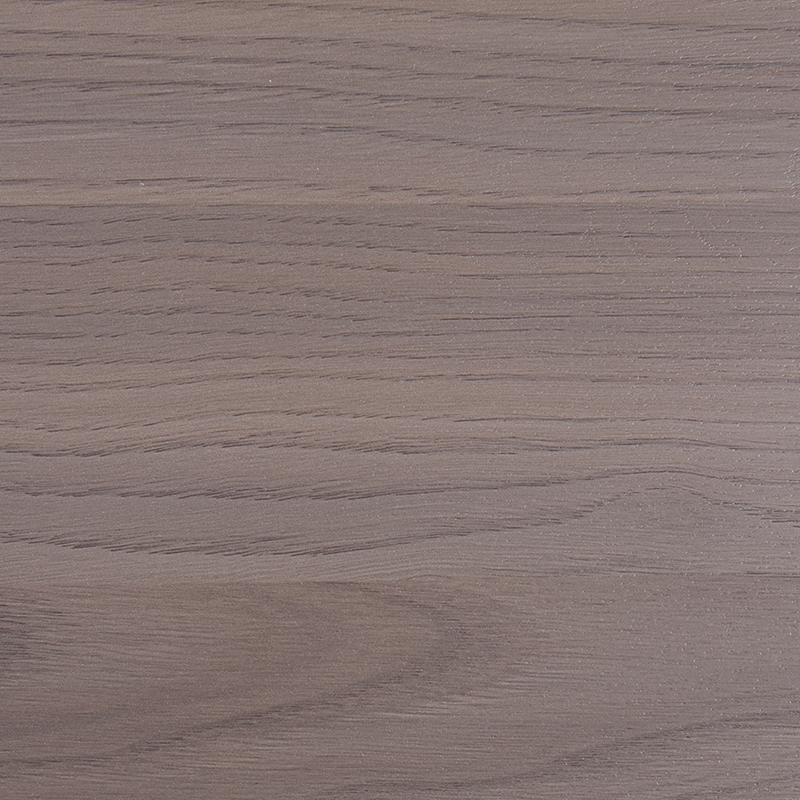
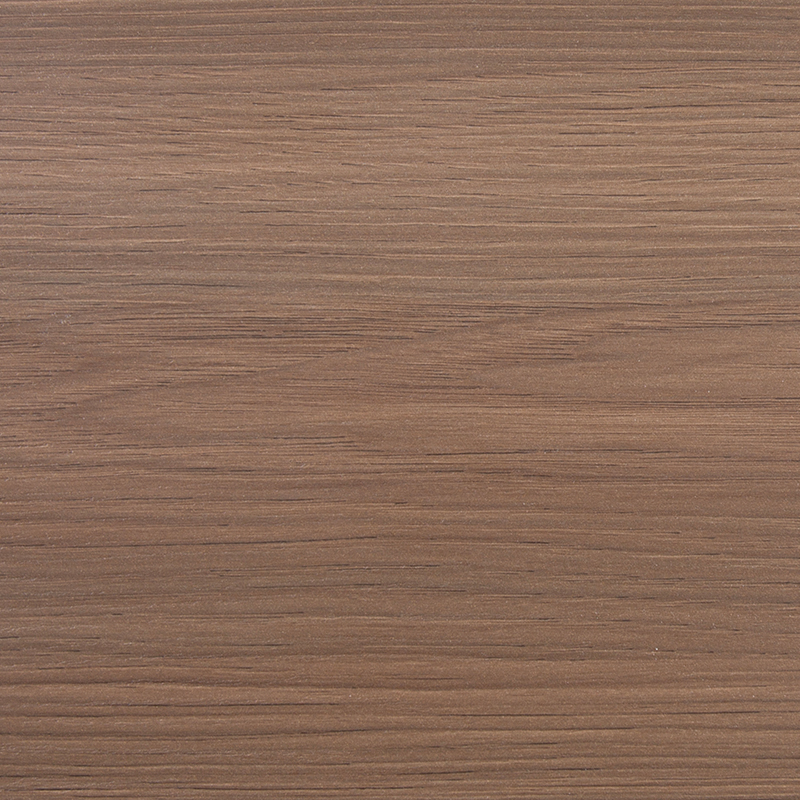
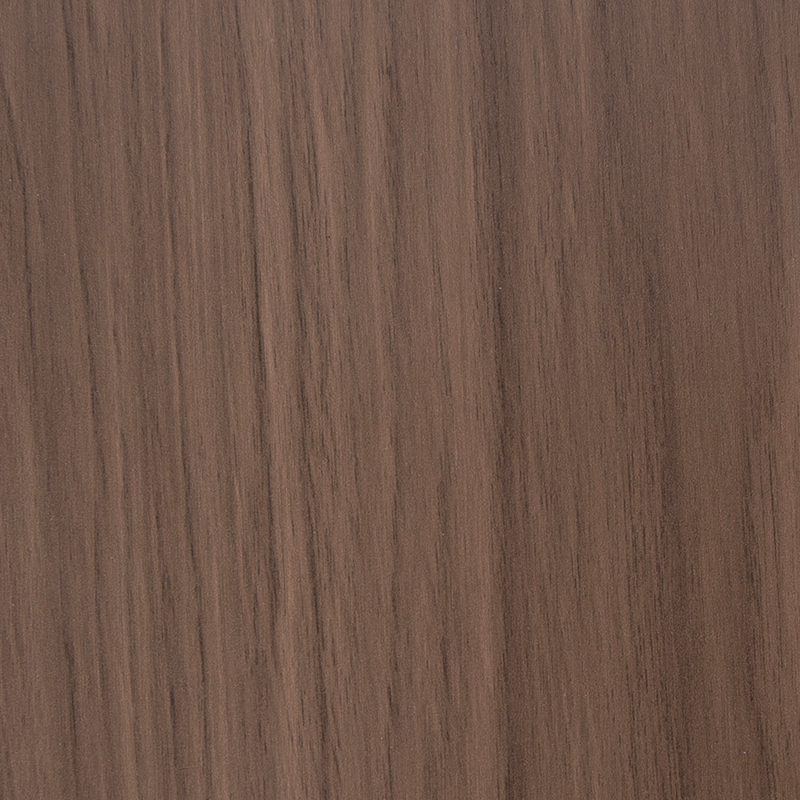
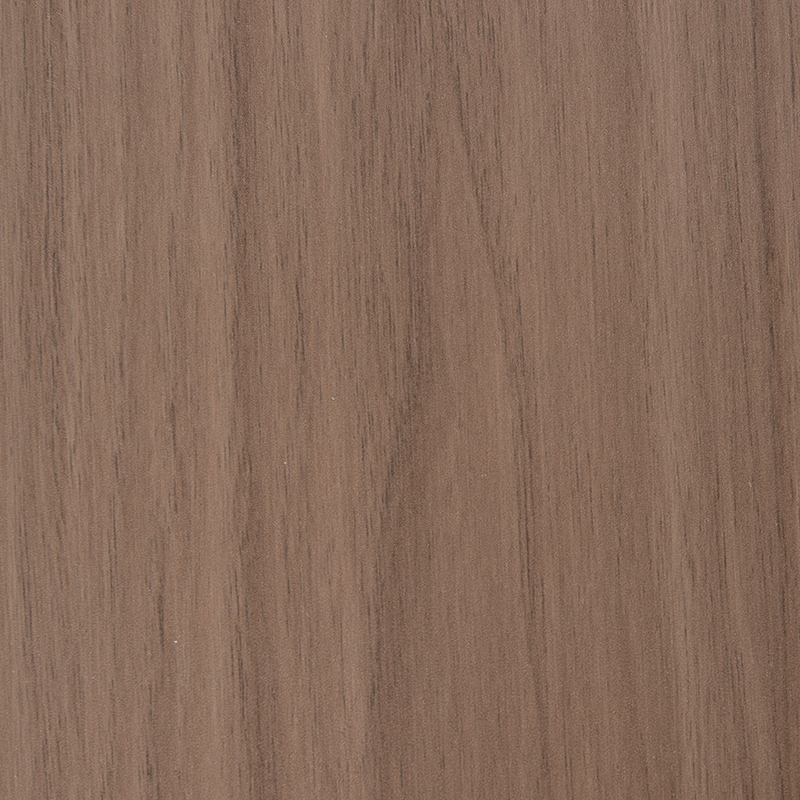
When it comes to luxury interior design, few materials rival the elegance of American Walnut. However, its deep, sophisticated tones come with specific maintenance considerations.
1. Does Dark Flooring Show More Dirt?
Technically, American Walnut does not "attract" more dirt than lighter woods, but it does provide a high-contrast background that makes debris more visible.
- Dust and Pet Dander: Most household dust is light gray or white, which stands out sharply against the dark chocolate hues of Walnut.
- Footprints and Residue: Natural oils from bare feet or water spots can create a "smudge" effect that is more noticeable on dark, semi-matte surfaces under direct lighting.
Verdict: While aesthetically superior, dark Walnut requires more frequent dry-mopping to maintain a pristine look compared to medium-toned woods like Oak.
2. Maintenance: Preventing Scratches and Fading
- Preventing Scratches: American Walnut is a medium-density hardwood. To protect it, use felt protectors under all furniture legs and avoid walking on the floor in high heels or spiked shoes. For areas with high foot traffic, many homeowners opt for engineered wood flooring with a reinforced UV-cured finish for enhanced scratch resistance.
- Preventing Fading (Photochemical Reaction): Unlike many woods that darken over time, Walnut tends to lighten (mellow) when exposed to UV rays. To prevent uneven fading, use UV-resistant window films, sheer curtains, or periodically rearrange area rugs to ensure even light exposure.
3. Technical Parameter Comparison
Understanding the physical properties of American Walnut helps in setting realistic maintenance expectations:
| Wood Species |
Janka Hardness |
Volumetric Shrinkage |
Dirt Visibility (1-5 Scale*) |
| American Walnut |
1,010 lbf |
10.2% |
2 (Shows dust easily) |
| White Oak |
1,360 lbf |
16.3% |
4 (Hides dirt well) |
| Hard Maple |
1,450 lbf |
14.7% |
3 (Moderate) |
| Teak |
1,000 lbf |
9.1% |
4 (Natural oils mask spots) |
*1 = High visibility of debris; 5 = Low visibility of debris.
---
4. FAQ
Q1: Can American Walnut flooring be refinished if it gets scratched?
Yes. Because American Walnut is a "solid-tone" wood (the color goes all the way through the heartwood), it can be sanded and refinished multiple times to remove surface scratches and restore its original deep color.
Q2: Is it suitable for kitchens or bathrooms?
It is excellent for kitchens if spills are wiped up immediately. However, it is generally not recommended for full bathrooms due to high humidity and potential standing water, which can cause the wood to expand or the finish to cloud.
Q3: Does the finish (Oil vs. Lacquer) affect how dirty it looks?
Yes. A high-gloss lacquer will show footprints and dust much more than a matte or wire-brushed finish. For American Walnut, a satin or matte finish is usually recommended to balance beauty with practicality.
Are Prefinished Engineered Wood Floors Safer for Indoor Air Quality? Understanding VOCs and Curing
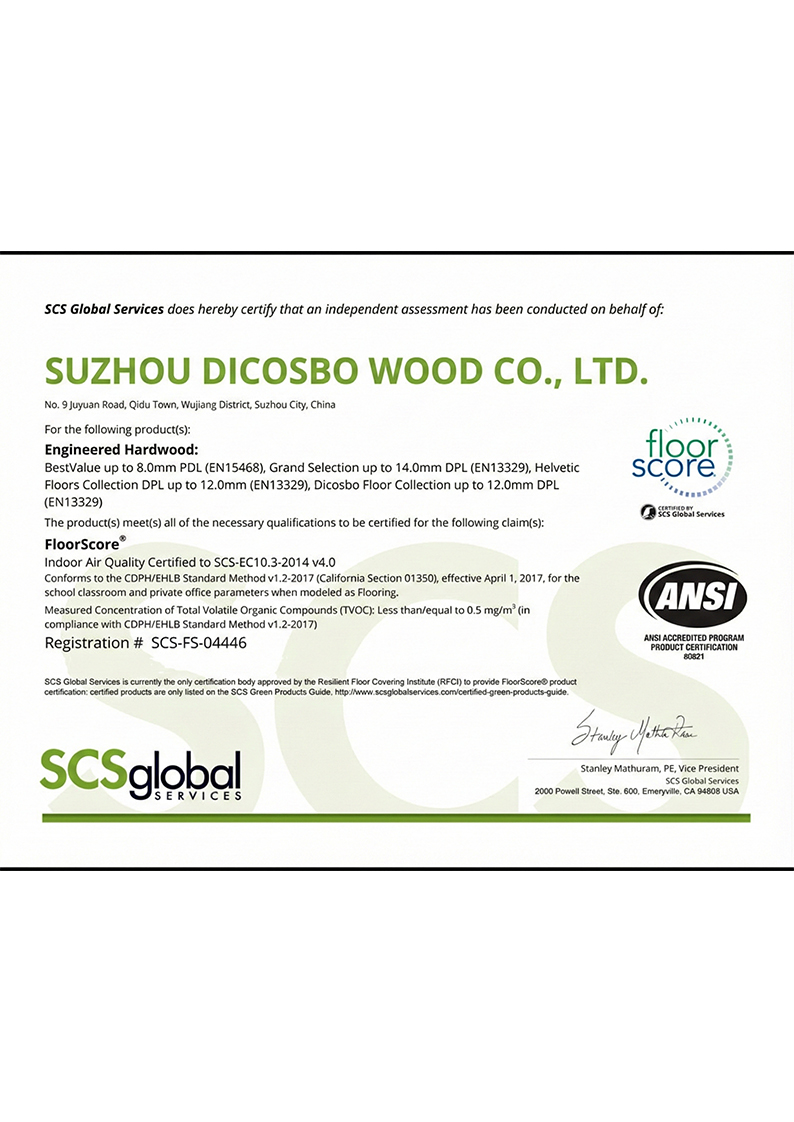
When evaluating flooring for health-conscious projects, the primary concern is often Volatile Organic Compounds (VOCs). Prefinished engineered wood floors offer a distinct advantage in managing indoor air quality due to their controlled manufacturing environment.
1. Factory-Controlled Curing vs. Site-Finishing
The safety of engineered wood flooring regarding air quality stems from the "off-site" nature of the finishing process:
- Off-Gassing at the Source: In a prefinished scenario, the stains and protective coatings are applied and cured in a factory. Most VOCs are released during the liquid and drying stages, which happen long before the product enters your building.
- UV Curing Technology: Most factory-finished floors use UV-cured coatings. These coatings are instantly hardened by ultraviolet light, a process that creates a more stable molecular structure and significantly reduces residual emissions compared to air-dried oil or polyurethane used on-site.
- Dust Mitigation: Site-finishing requires heavy sanding, creating fine wood dust that can linger in HVAC systems for months. Prefinished boards arrive already sanded and sealed, eliminating this respiratory irritant entirely.
2. Technical Parameter Comparison: VOC Emissions & Standards
To ensure indoor air safety, technical specifications should adhere to recognized international emission standards. Below is a comparison of typical VOC profiles and safety benchmarks:
| Parameter/Standard |
Site-Finished Polyurethane |
Prefinished Engineered (UV-Cured) |
Safety Benchmark/Limit |
| VOC Emission Peak |
During and 72h after application |
Negligible (occurred at factory) |
N/A |
| Formaldehyde Rating |
Variable (depends on sealants) |
E0 or Carb Phase 2 Compliant |
≤ 0.05 ppm (Carb 2) |
| Total VOC (TVOC) |
High (up to 500+ g/L) |
Low (Typically < 5 g/L) |
< 0.5 mg/m³ (LEED Standard) |
| Curing Time |
7–14 days for full hardness |
Instantaneous (at factory) |
N/A |
3. FAQ: Indoor Air Quality & Prefinished Flooring
Q1: Does "Prefinished" mean the floor is completely formaldehyde-free?
Not necessarily. While the surface finish is safe, formaldehyde is often found in the adhesives used to bond the plywood core layers. To ensure the highest safety, you must verify that the product meets E0 or CARB Phase 2 standards, which limit formaldehyde emissions to safe, trace levels.
Q2: Can I smell any odors from newly installed prefinished floors?
There may be a faint "new product" scent, but it is fundamentally different from the chemical fumes of wet varnish. Since the finish is already 100% cured, any slight odor usually dissipates within 24 to 48 hours of installation with standard ventilation.




 English
 Español
 عربى
عربى