


 English
 Español
 عربى
عربى
0 m²
Production Base
 Get Free Sample

DFD-SI-09
 |
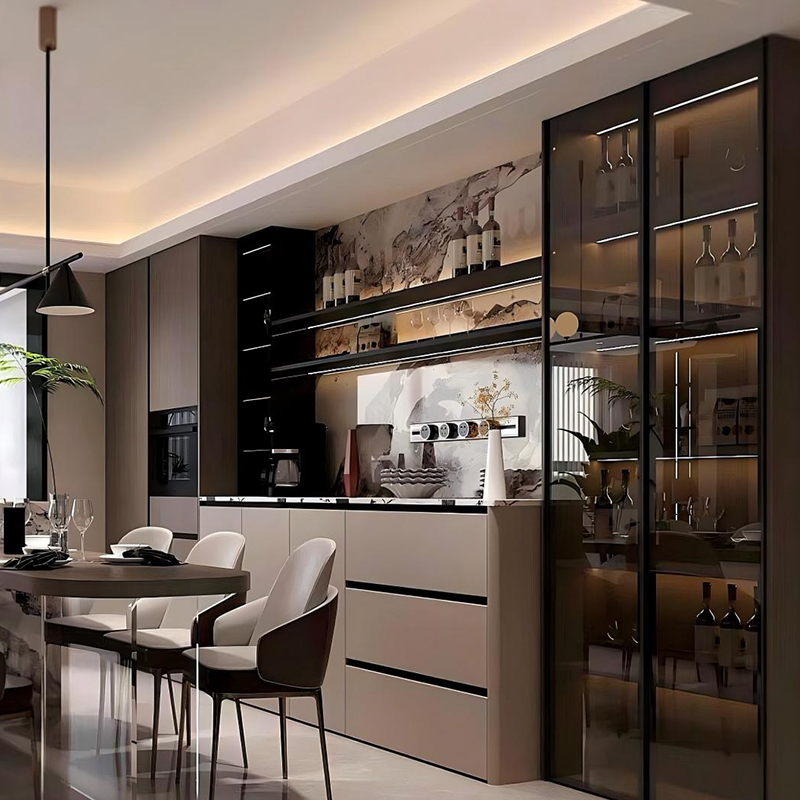
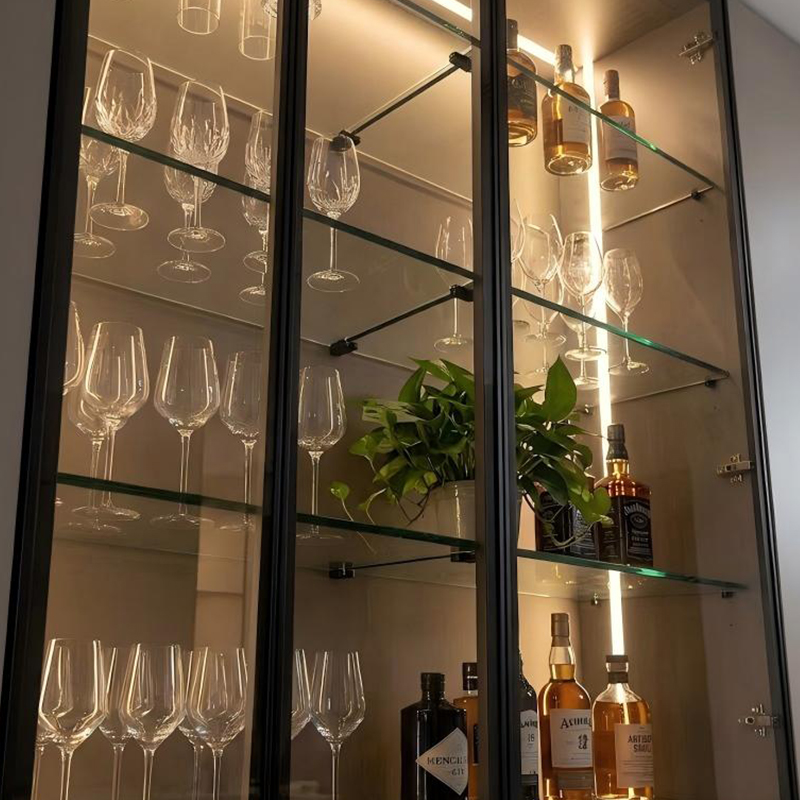
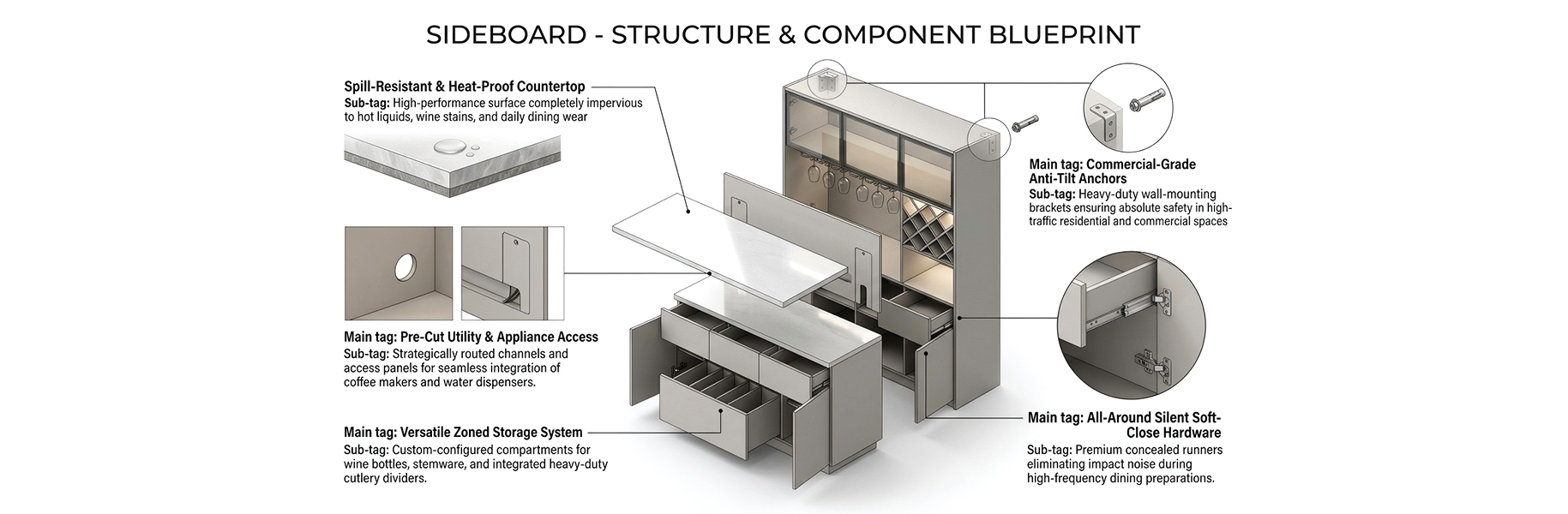
Fully Customized Workflow: Functional zones—including prep counters, temperature-controlled wine storage, stemware racks, and pull-out shelves for small appliances—are tailored 100% to specific needs. |
 |
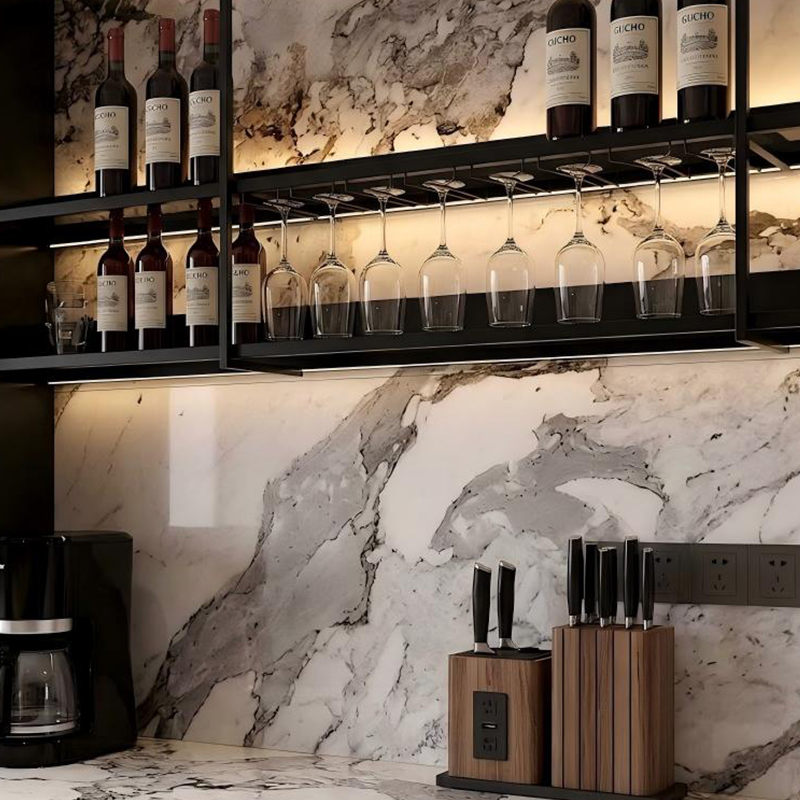
Leak-Proof & Heat-Resistant Surfaces: Compatible with sintered stone, quartz, or specialized waterproof wood countertops, ensuring resilience against hot spills and oil stains. |
 |
Flexible Fit for Narrow or Irregular Spaces: Easily scaled to fit specific site dimensions, whether in narrow corridors or dining area corners. |
 |
Commercial-Grade Anti-Tip Safety: Standard high-strength, concealed wall-anchoring hardware ensures absolute safety for commercial settings and households with children. |
 |
Zero-VOC Indoor Air Quality Certification: All surface finishes and base materials pass rigorous zero-VOC emission tests, promoting a healthier dining environment. |
 |
Integrated Appliance Provisions: Precision-engineered to accommodate water dispensers, direct-drinking systems, and coffee machines, with pre-cut openings for plumbing and electrical connections. |
 |
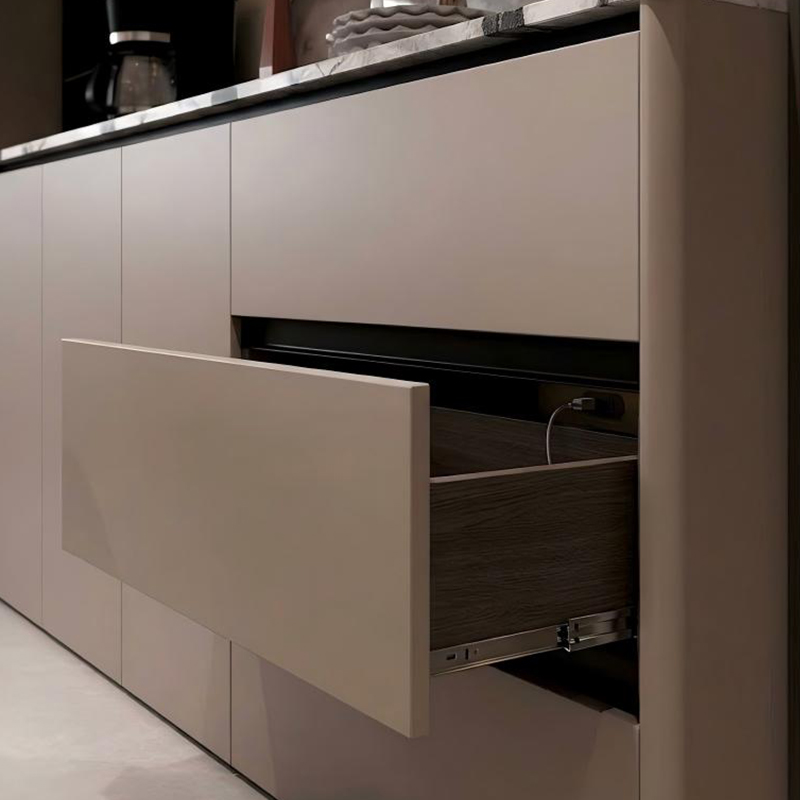
Whisper-Quiet Soft-Close Mechanism: Cabinet doors and drawers feature soft-close dampening systems, completely eliminating noise from frequent opening and closing. |


|
Door_Surface_Finish |
Touch-Matte Warm Coffee/Grey Solid Color Panel with Ultra-narrow Blackened Metal Framed High-transparency Glass Door Customizable |
| Style | Italian Minimalist Light Luxury / Modern Elegant Luxury Stone Style |
| Carcass_Material | 18mm Solid Wood Plywood / Eco-friendly High-Density Particle Board (Customizable) |
| Board_Thickness_Specs | Cabinet Side Panel 18mm / Glass Cabinet Shelf and Stemware Rack 8-12mm / Prep Counter and Splashback Sintered Stone 12mm / Back Panel 9mm |
| Edge_Banding | PUR Eco-friendly Waterproof Edge Banding / Seamless Laser Edge Banding(Customizable) |
| Color | Morandi Warm Coffee Grey mixed with Obsidian Black Metal Frame and Calacatta White Luxury Stone Customizable |
| Base_Dimensions (W*D*H) | Customized based on floor plan & project blueprints |
| Customization_Range | Fully Customizable, Height up to 3,200mm |
| Pricing_Method | (Per Projected Area / Per Unfolded Area) (Customizable) |
| MOQ | (1 Set for Mockup / 20 Sets for Project) |
| Standard_Hardware | Blum Soft-close Concealed Hangers & Hinges / DTC Minimalist Aluminum Wardrobe Rod) (Customizable) |
| Optional_Upgrades | Full-matrix Dimmable Ambient Lighting System inside Cabinets / Suspended Metal Stemware Rack / Concealed Track Power Outlets / Thermostatic Wine Storage Module Customizable |
| Countertop_Options | 12mm Imported Calacatta White Luxury Sintered Stone for Integrated Central Prep Countertop and Splashback Customizable |
| Eco_Certifications | CARB Phase 2 / EU E0 Grade / FSC Certified |
| Packaging_&_Delivery | Flat Pack (RTA) in heavy-duty export cartons with EPS corner protectors; glass doors and islands are secured in fumigation-free wooden crates for max ocean freight protection. |
Please feel free to contact us anytime you need samples from us!
Get Free Sample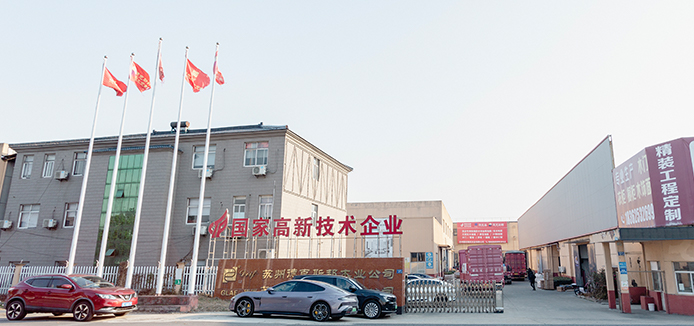
About DEIF
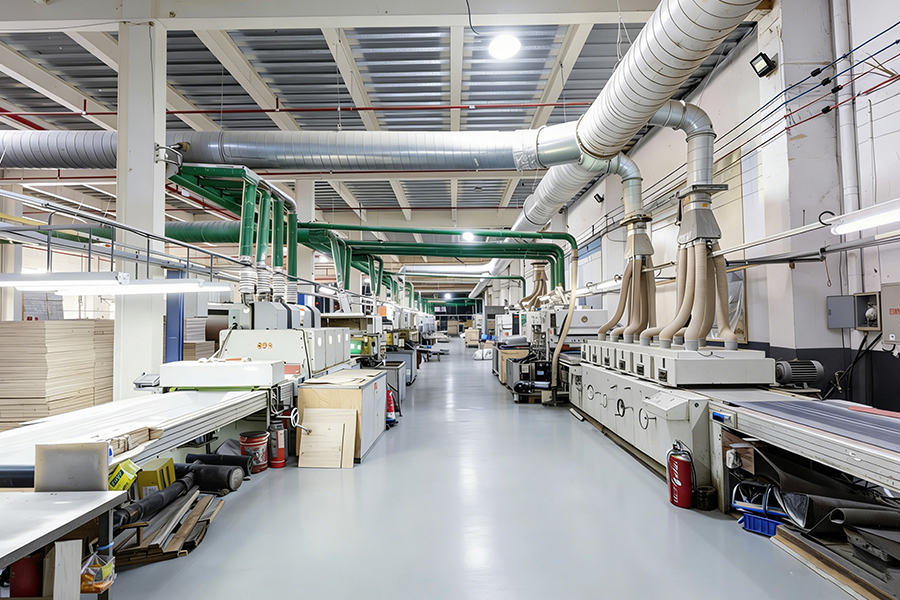
Suzhou Dicosbo Wood Co,. Ltd. is China wholesale Morning Mist Italian Warm Tone & White Luxury Stone Bespoke Sideboard suppliers and Morning Mist Italian Warm Tone & White Luxury Stone Bespoke Sideboard company. DEIF has over 10 years of flooring manufacturing experience. We own a 20,000 m² standardized production base equipped with imported German production equipment, and a professional team of more than 100 employees, including over 50 production technicians and 15+ quality inspectors. We implement full-process quality inspection from log selection, production and processing to finished product delivery, ensuring consistent quality for every batch. We are capable of undertaking large-volume orders and meeting the supply demands of overseas customers. We offer Morning Mist Italian Warm Tone & White Luxury Stone Bespoke Sideboard for sale.

Production Base

R&D Engineers

Global Partners
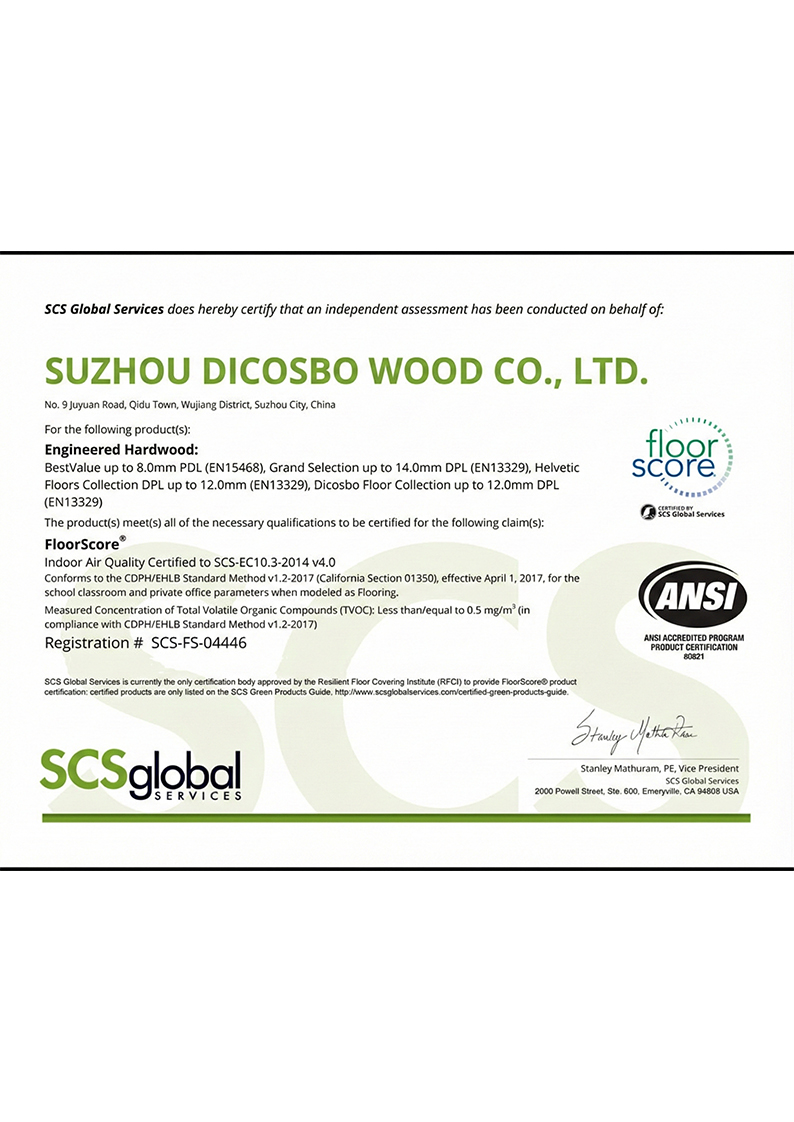
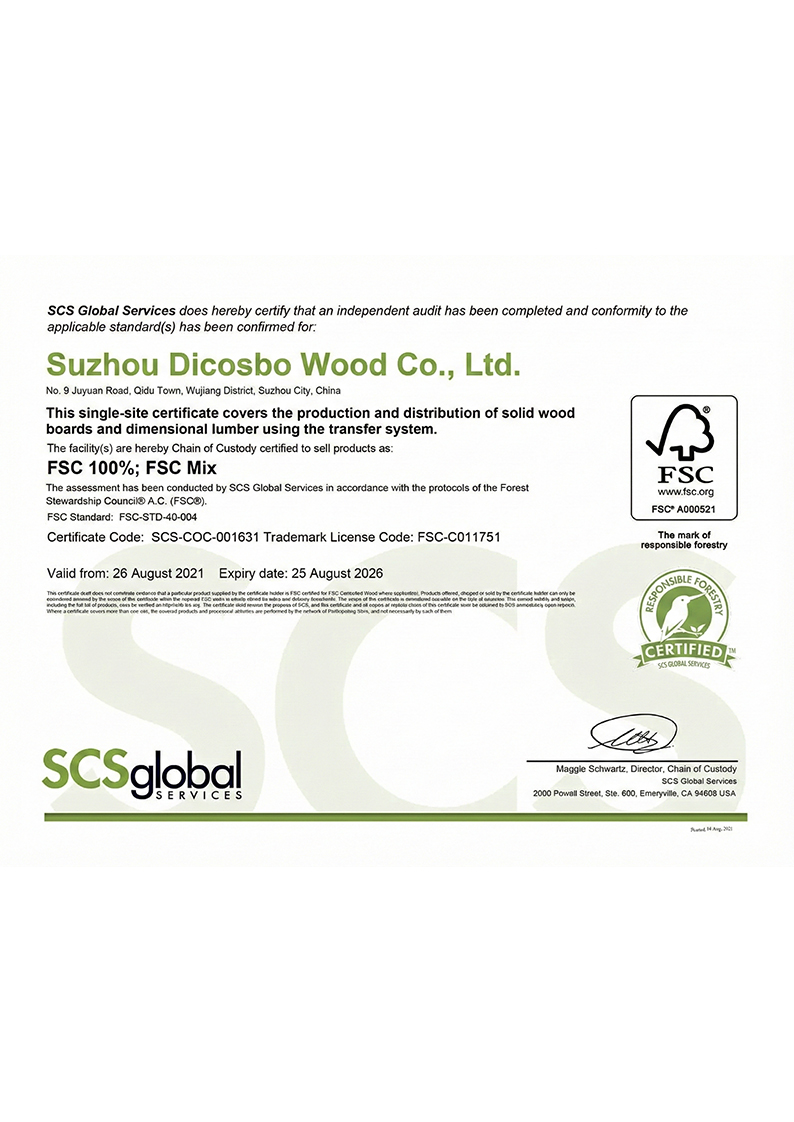
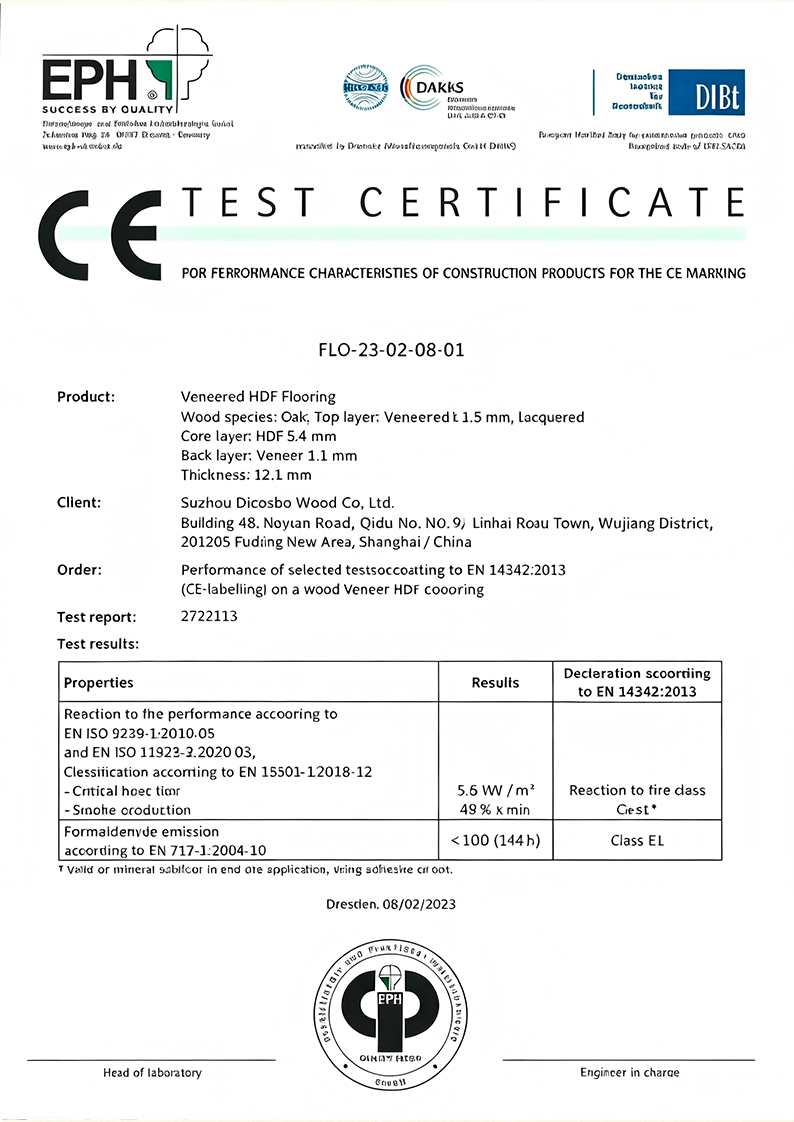
Our products have obtained EU CE safety certification, FSC Forest Stewardship certification, North American CARB P2 environmental certification, and ISO quality system certification (CE/FSC/CARB/ISO Certified).High-definition electronic and paper versions of all certificates are available upon request.Product quality meets the standards of major global markets. You can rest assured about compliance, and our products can be directly exported to many countries and regions around the world.
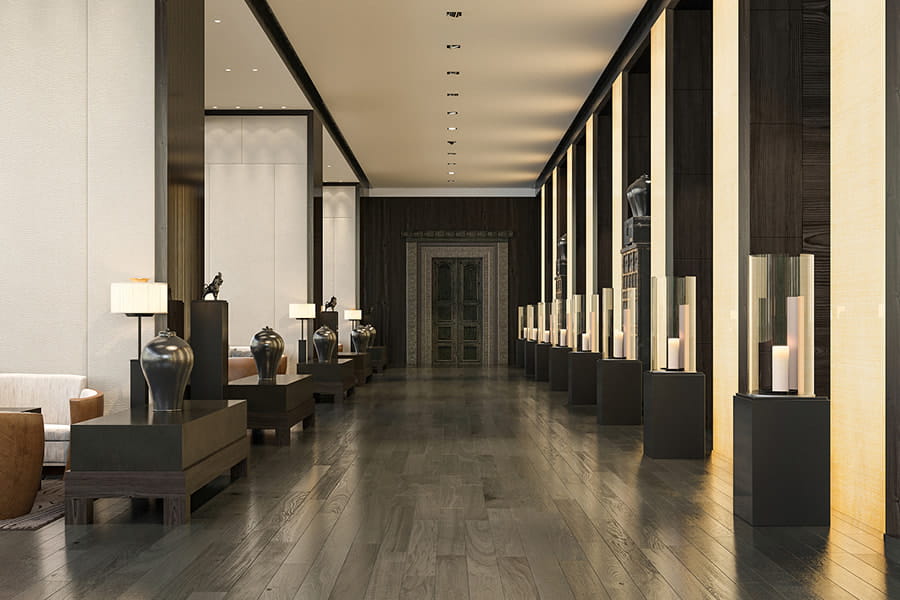
| Project Scale | 12,000㎡ |
| Client Type | Dubai Hotel Group |
| Lead Time | 45 days |
| Certifications | FSC / CE / UL |
| Key Products Used | Parquet Flooring (Herringbone Pattern) + Soundproof Wooden Doors |
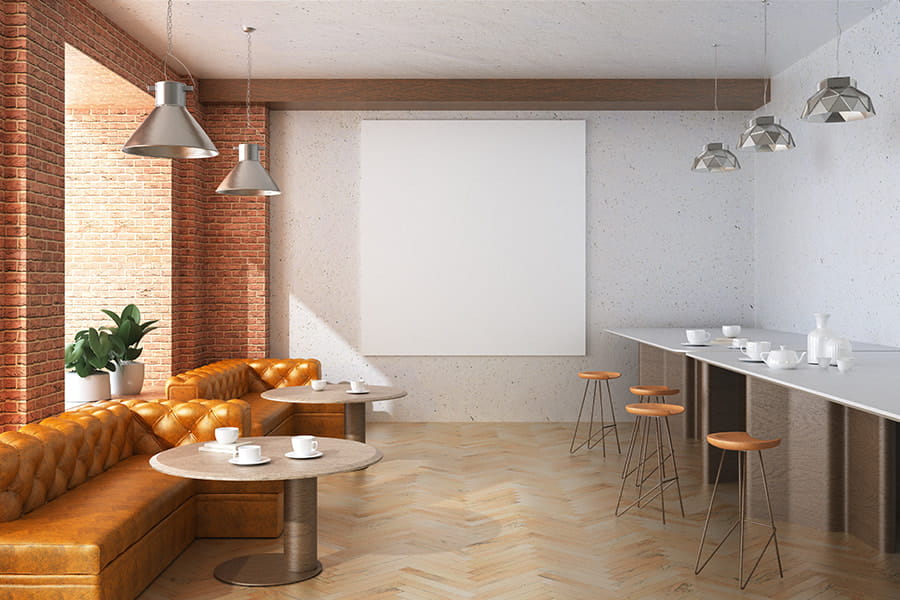
| Project Scale | 120㎡ |
| Client Type | Cafe Flooring Projects |
| Lead Time | 18 days |
| Certifications | FSC / CE / UL |
| Key Products Used | Distressed Ash Wood Flooring |
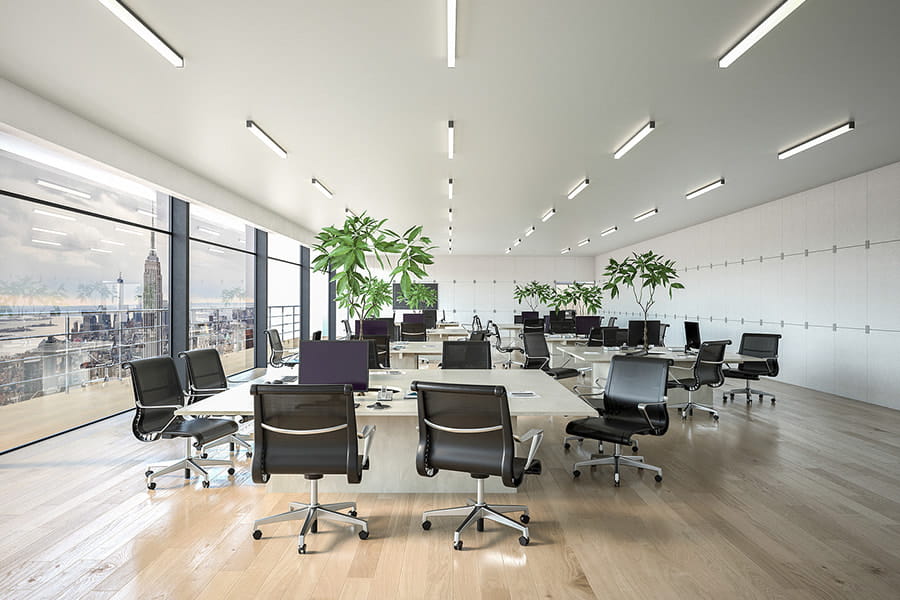
| Project Scale | 850㎡ |
| Client Type | Office Building Projects |
| Lead Time | 25 days |
| Certifications | FSC / CE / UL |
| Key Products Used | Solid Oak Wood Flooring |
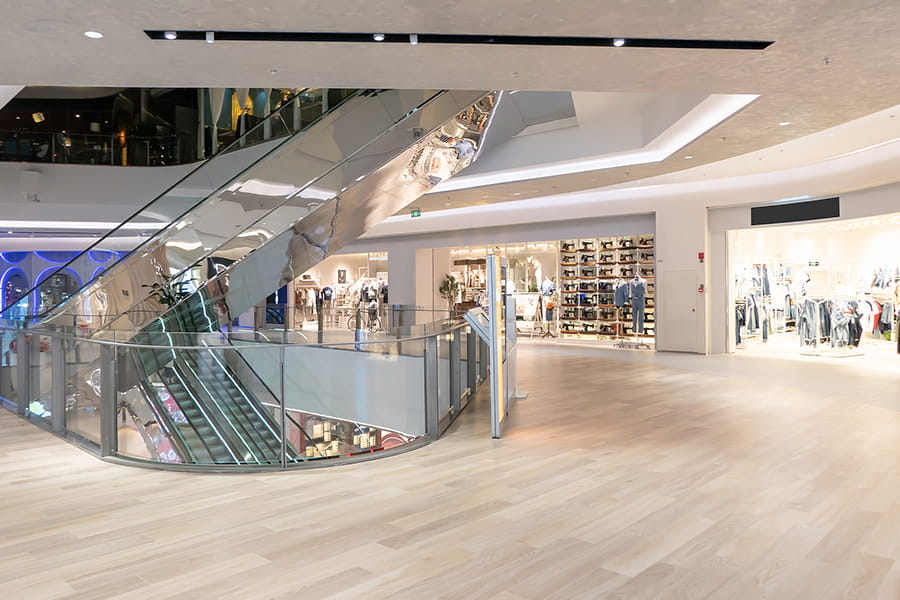
| Project Scale | 1500㎡ |
| Client Type | Large Shopping Mall |
| Lead Time | 30 days |
| Certifications | FSC / CE / UL |
| Key Products Used | Engineered Walnut Wood Flooring |
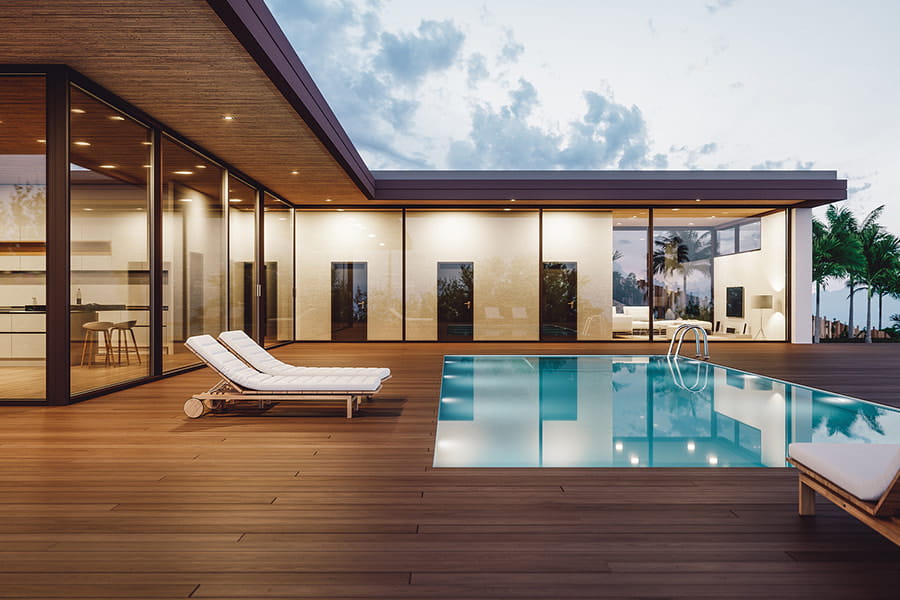
| Project Scale | 500㎡ |
| Client Type | Boutique Homestay |
| Lead Time | 18 days |
| Certifications | FSC / CE / UL |
| Key Products Used | Engineered Walnut Wood Flooring |
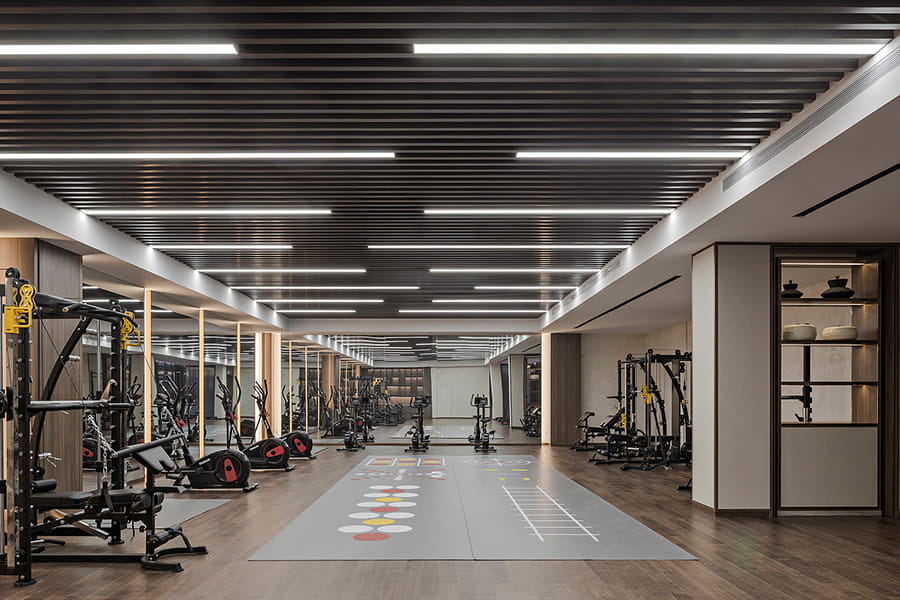
| Project Scale | 1200㎡ |
| Client Type | Commercial Fitness Center |
| Lead Time | 25 days |
| Certifications | FSC / CE / UL |
| Key Products Used | Engineered Oak Wood Flooring |






 MOQ: 100 m² for standard products, 300m² for customized products Payment Terms: T/T (30% deposit + 70% balance), L/C accepted Warranty Period: 5-year quality
warranty, lifetime technical support Return & Exchange Policy: Returns &
exchanges not accepted for non-quality issues;
for quality issues, replacement or compensation can be negotiated within 7
days Customization: OEM & ODM available,
72-hour fast sampling
MOQ: 100 m² for standard products, 300m² for customized products Payment Terms: T/T (30% deposit + 70% balance), L/C accepted Warranty Period: 5-year quality
warranty, lifetime technical support Return & Exchange Policy: Returns &
exchanges not accepted for non-quality issues;
for quality issues, replacement or compensation can be negotiated within 7
days Customization: OEM & ODM available,
72-hour fast sampling Yes, ash wood offers excellent stability, and the UV coating provides great thermal conductivity. It is compatible with both water and electric underfloor heating systems and can be directly installed on heated floors.
The surface UV coating is smooth and dense. It can be easily cleaned with a dry mop for daily care, and any crevices in the texture can be gently brushed with a soft brush. It does not tend to trap dirt or grime.
The MOQ for standard designs is 100 ㎡, and 300 ㎡ for customized products. We support OEM/ODM customization, including dimensions, colors, and surface treatments.
The lead time is 15–20 days for standard orders and 25–30 days for customized orders. We work with logistics providers including DHL, FedEx, and Maersk, offering direct delivery to over 30 countries and regions worldwide, with full tracking of the shipment progress.
A manufacturer’s perspective on avoiding damp-zone floor failures and controlling total project cost...
View Our CaseA guest bathroom floor can look perfect for two years, then a hairline gap appears at the threshold...
View Our CaseSuzhou Dicosbo Wood Co,. Ltd. supplies premium 12mm commercial laminate flooring designed to withsta...
View Our CaseSelecting the right laminate flooring thickness is one of the most consequential decisions you'll ...
View Our CaseUnderstanding Chevron Parquet Flooring: Where Geometry Meets Craftsmanship Chevron patterns represe...
View Our CaseSourcing a bespoke sideboard for a hospitality or high-end residential project is fundamentally different from purchasing standard furniture. Unlike off-the-shelf solutions with fixed dimensions and configurations, a truly customizable piece must align with your specific floor plan, functional requirements, and project specifications. This guide addresses what project procurement teams, interior designers, and developers should evaluate when selecting a custom sideboard manufacturer for hospitality and luxury residential applications—from material compliance to installation logistics.
The terms “sideboard,” “buffet cabinet,” and “credenza” are often used interchangeably, yet they carry distinct implications for B2B projects. A sideboard traditionally serves as a storage and display unit for dining and hospitality environments, typically ranging from 800mm to 1,500mm in width. Buffet cabinets generally emphasize horizontal display surfaces with open shelving or semi-open layouts. A credenza, conversely, may reference a broader category encompassing executive-style cabinetry for both office and hospitality contexts.
For project buyers, this terminology distinction matters because each category carries different functional expectations. In hospitality projects, sideboards increasingly replace fixed architectural built-ins due to their flexibility and the industry’s shift toward modular, refurbishment-friendly solutions. High-end residential developments favor custom sideboards because they allow design teams to maintain visual consistency across multiple units while accommodating varying floor plans. The advantage of specifying a custom sideboard manufacturer for hospitality lies in the ability to define functional zones, material standards, and safety requirements upfront—eliminating costly site modifications later.
Material selection is the first critical decision point in any bespoke sideboard project. The top surface material—whether sintered stone, natural stone veneer, or engineered wood—directly affects durability, maintenance burden, and project cost.
Sintered stone versus alternatives: Sintered stone (such as Calacatta white luxury stone) offers superior heat and stain resistance compared to quartz or solid wood surfaces. For hospitality applications where surfaces endure frequent high-heat contact (hot serving dishes, beverage containers), sintered stone maintains dimensional stability without thermal shock cracking. In comparison, engineered quartz can exhibit visible discoloration under prolonged heat exposure, and wood surfaces require protective sealants that demand ongoing maintenance. The practical implication for buyers: sintered stone reduces housekeeping complaints and extends surface lifespan in commercial environments.
Base material considerations: The core structural material—18mm solid wood multi-layer plywood versus eco-friendly high-density particleboard—influences both environmental compliance and long-term stability. Multi-layer plywood resists warping in temperature-fluctuating environments (such as banquet halls with variable HVAC settings) and supports heavier integrated appliances. High-density particleboard offers cost advantages and lower embodied carbon, making it preferable for projects prioritizing sustainability metrics. When specifying, project teams should align base material selection with both environmental certifications required and the intended lifespan of the installation.
Soft-touch matte finishes: Italian minimalist sideboard materials increasingly feature skin-feel (soft-touch matte) panel treatments that reduce fingerprints and require less frequent cleaning. This aesthetic choice carries operational significance: in high-traffic hospitality environments, soft-touch surfaces significantly reduce maintenance frequency and associated labor costs compared to gloss finishes.
International compliance standards are non-negotiable in bespoke sideboard projects, particularly for cross-border procurement or installations in regulated markets. Project buyers must verify supplier adherence to multiple certification frameworks simultaneously.
Emissions and material standards: CARB P2 (California Air Resources Board Phase 2) certification limits formaldehyde emissions from composite wood products and is mandatory for North American projects. EU E0 certification, recognized across European markets, enforces even stricter emissions limits. FSC (Forest Stewardship Council) certification verifies responsible forest sourcing and increasingly influences procurement decisions for luxury residential and hospitality brands committed to environmental transparency. For project buyers, requesting third-party test reports for these certifications—rather than relying on supplier attestations—protects against regulatory delays and project rejections during final inspections.
Indoor air quality for hospitality: Zero-VOC (volatile organic compound) certifications, such as Declare Labels or GreenGuard certifications, directly impact indoor air quality in hospitality environments where guests spend extended periods. Hospitality project specifications increasingly mandate low-VOC finishes and adhesives to meet wellness standards and avoid olfactory complaints. This is particularly critical in upscale hotels where air quality directly influences guest satisfaction and brand perception.
Safety requirements: Anti-tip anchoring hardware is legally mandatory in commercial settings across North America and increasingly required in residential projects in earthquake-prone regions. Project specifications must explicitly define anchoring points and installation protocols to ensure compliance and reduce liability exposure.
The distinction between a luxury stone sideboard and a truly functional project piece lies in how effectively the design accommodates specific operational workflows. Custom functional zones transform a sideboard from a display unit into an integrated service element.
Space planning by function: A bespoke sideboard for hospitality projects may incorporate designated zones: a prep counter with specific surface height for warming dishes, climate-controlled wine storage with humidity regulation, pull-out shelving for small appliances, and stemware racks designed for specific glassware dimensions. Rather than forcing operational needs into standardized shelf heights, custom design aligns internal geometry with actual workflow. Project buyers should engage operational staff (housekeeping, food service, or concierge teams) during the specification phase to define zone requirements and prevent post-installation inefficiency.
Plumbing and electrical provisions: Embedded provisions for plumbing connections (water supply and drainage for integrated beverage coolers) and electrical outlets (for warming drawers or refrigerated compartments) require coordination with the architectural floor plan and building MEP systems. Identifying these provisions during design—rather than discovering gaps during installation—prevents costly site modifications and project delays. Custom sideboard manufacturers should provide detailed installation drawings showing all penetration points and utility connections.
Many hospitality and residential projects feature design constraints that render standard furniture impractical: narrow service corridors, angled walls in penthouses, or space limitations in compact urban apartments. A custom sideboard manufacturer must demonstrate capability in translating floor plan constraints into buildable solutions.
Height and dimensional flexibility: Full customization allows sideboards to reach up to 3,200mm in height, accommodating floor-to-ceiling specifications in high-ceilinged hospitality suites or residential penthouses where visual proportion demands vertical presence. Conversely, shallow depth options (as shallow as 400mm) accommodate narrow circulation zones without compromising functionality. Project teams should share detailed floor plans—including precise measurements, ceiling heights, door swing clearances, and adjacent architectural elements—with the supplier to confirm feasibility before finalizing specifications.
Irregular space adaptation: In scenarios where rooms feature non-perpendicular walls or architectural columns, custom sideboards can be designed with tapered sides or asymmetrical configurations. This flexibility is a core advantage of bespoke design over modular systems and is a key differentiator when evaluating contract-grade sideboard suppliers.
Logistics represent an underestimated complexity in bespoke sideboard projects. Unlike standardized furniture, custom pieces require specialized handling and documentation.
Flat-pack and protective measures: Custom sideboards typically ship in flat-pack format with component protection: glass doors and island surfaces are individually wrapped and housed in dedicated wooden crating to prevent damage in transit. For projects spanning multiple delivery phases, consistent packaging methodology across shipments prevents handling errors and maintains goods condition throughout the project timeline.
Installation coordination and spare parts: Project specifications should define spare parts policies—particularly for specialized components such as custom glass doors, custom hardware finishes, or integrated appliance modules. Multi-phase installations require clear room-by-room packaging labels and installation sequencing documentation to ensure correct unit placement and reduce on-site confusion. A supplier’s ability to provide installation support documentation—including assembly instructions, hardware specifications, and utility connection diagrams—directly impacts installation efficiency and minimizes project timeline compression.
Supplier selection extends beyond price negotiation to encompass manufacturing capability, quality consistency, and project management support. When evaluating a custom sideboard manufacturer for hospitality, focus on demonstrable operational standards rather than product showroom aesthetics.
Manufacturing audit criteria: Visit or request documentation of the supplier’s quality control infrastructure: dedicated QC workstations with measurement equipment, preventive maintenance protocols for production machinery, and material storage conditions that protect against moisture damage or contamination. Suzhou Dicosbo Wood Co,. Ltd., for example, operates 20,000㎡ of production facilities equipped with German imported production lines and automated quality control systems, ensuring consistency across all customized outputs. This infrastructure-level commitment directly correlates with delivery reliability and defect reduction.
Performance metrics and accountability: Request historical data on on-time delivery rates, defect rates by product type, and repeat-customer percentages. A supplier demonstrating 95%+ on-time delivery and low defect rates across diverse project types indicates mature processes and attention to detail. Contract terms should establish clear performance thresholds and remedies for non-compliance.
OEM/ODM capability and rapid prototyping: A supplier offering OEM/ODM customization with rapid prototyping capability (72-hour turnaround, for example) can accommodate design iterations without project timeline jeopardy. This flexibility is invaluable during design development phases when stakeholder feedback may require specification refinements. DEIF’s demonstrated capability in both OEM customization and ODM solutions reflects the operational flexibility increasingly demanded in complex hospitality and residential projects.
Global supply chain experience: Verify that the supplier has established experience exporting to your target market, understands relevant compliance frameworks, and has handled similar project scales. A manufacturer serving 100+ global partners across multiple regions brings market knowledge and logistics relationships that reduce friction in international procurement. This experience translates into fewer surprises regarding lead times, shipping logistics, and regulatory submissions.
Sourcing a bespoke sideboard for luxury projects requires methodical evaluation across material science, compliance standards, functional design, logistics, and supplier capability. Rather than prioritizing aesthetic features or unit cost, project teams should build specifications around decision-critical dimensions: Does the material meet emission standards for your market? Does the functional design align with operational workflows? Can the supplier reliably execute custom configurations without quality variance? Can they support multi-phase installations with consistent execution?
When these questions drive procurement decisions, sideboards transition from decorative furniture to integrated operational assets that enhance project value, reduce maintenance burden, and deliver consistent performance throughout their service life. Partnering with a manufacturer demonstrating manufacturing rigor, compliance expertise, and proven project delivery experience—such as DEIF’s track record across 30+ countries—ensures that your bespoke sideboard specification translates from design intent to operational reality.

We provide customers with sustainable and eco-friendly
engineered wood solutions and services.
Choose DEIF for the perfect blend of
performance and aesthetics.
