


 English
 Español
 عربى
عربى

Selecting the right laminate flooring thickness is one of the most consequential decisions you'll make when planning a home renovation or commercial installation. While 8mm laminate has long been the industry standard, the emergence of 12mm options has fundamentally shifted how homeowners and contractors evaluate durability, comfort, and long-term value. This comprehensive comparison explores the technical specifications, practical applications, cost implications, and performance metrics that distinguish these two popular thickness categories.
Understanding the differences between 12mm and 8mm laminate flooring goes beyond simple measurements. These variations influence acoustic properties, structural stability, resistance to moisture, installation complexity, and overall lifespan. Whether you're renovating a kitchen, designing a commercial space, or updating a living area, the thickness you choose will affect everything from the feel underfoot to maintenance requirements years down the road.
12mm vs 8mm Laminate Flooring: Understanding the Core Differences
Structural Composition and Stability
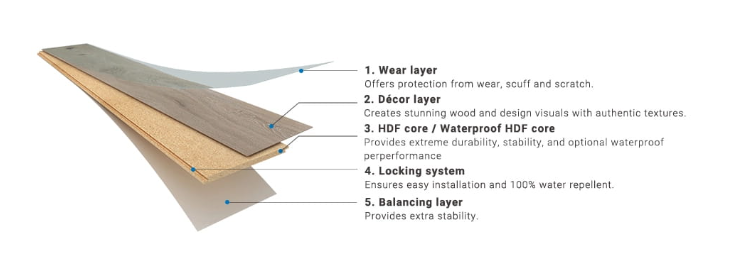
The fundamental difference between 12mm and 8mm laminate flooring lies in the composition of layers and overall rigidity. A 12mm laminate typically consists of a 2mm wear layer, a 10mm core made from high-density fiberboard, and a backing layer. In contrast, 8mm laminate reduces the core thickness, resulting in less substantial structural integrity.
This additional 4mm of material in 12mm flooring translates directly into improved dimensional stability. The thicker core provides better resistance to warping, bowing, and cupping—common issues in environments with fluctuating humidity levels. Commercial installations particularly benefit from this enhanced stability, as foot traffic and climate variations demand flooring that maintains its shape and level surface integrity over extended periods.
Dimensional Stability and Moisture Resistance
Moisture penetration represents one of the most significant threats to laminate flooring longevity. The thicker construction of 12mm laminate creates more effective barriers against moisture ingress. While no laminate flooring is truly waterproof, the additional material layers in 12mm products provide superior protection against humidity fluctuations and minor water exposure.
Tests comparing expansion rates show that 12mm laminate expands at approximately 0.1% under standard humidity conditions, while 8mm variants may expand closer to 0.15%. This seemingly small difference becomes critical in large installations where cumulative expansion can cause buckling or separation.
| Specification | 12mm Laminate | 8mm Laminate |
|---|---|---|
| Total Thickness | 12mm | 8mm |
| Wear Layer | 2mm | 1.5mm |
| Core Density | High-density fiberboard | Medium-density fiberboard |
| Dimensional Expansion Rate | 0.1% | 0.15% |
| Typical Lifespan | 15-25 years | 10-15 years |
Acoustic Performance and Walking Comfort
Sound Absorption Properties
One of the most immediately noticeable advantages of 12mm laminate flooring is its superior acoustic performance. The thicker construction naturally dampens sound transmission, reducing the hollow footstep noise common in rooms with thinner laminate. The additional core material acts as an acoustic buffer, absorbing impact noise rather than allowing it to reverberate through the subfloor.
In multi-story residential buildings or commercial offices, this acoustic advantage becomes particularly valuable. A 12mm installation can reduce impact noise by approximately 3 to 5 decibels compared to 8mm equivalents. While this may seem modest, the auditory difference is distinctly perceptible to inhabitants and neighboring spaces.
Underfoot Comfort and Feel
The thickness differential also influences the tactile experience of walking across the floor. The increased material depth in 12mm laminate provides a more substantial, premium feel—a quality that homeowners consistently report as a significant factor in their overall satisfaction with the installation. The slight additional cushioning, though minimal compared to carpet or genuine hardwood, makes extended standing less fatiguing.
For lounges, kitchens, and spaces where occupants spend considerable time, this comfort enhancement justifies the investment. The difference becomes especially apparent in commercial environments where employees spend eight or more hours daily on the flooring surface.
Installation Methods and Click-Lock Mechanisms
Click-Lock Installation Advantages
Modern laminate flooring predominantly employs click-lock (also called drop-lock) installation systems that eliminate the need for adhesive. This mechanical locking mechanism makes both 12mm and 8mm products accessible for DIY installation, though each thickness presents distinct considerations.
Click-lock systems work by interlocking the tongues and grooves of adjacent planks, creating a floating floor that rests independently on the subfloor without fastening. This approach offers multiple advantages: installation flexibility, easier replacement of damaged planks, and reduced labor costs compared to glue-down methods.
12mm vs 8mm Installation Differences
The additional thickness of 12mm laminate provides several practical installation benefits. The stronger click-lock connection tolerates greater handling stress during installation, reducing the risk of joint separation or locking system failure. Planks are less susceptible to bending or twisting during the interlocking process, allowing for more confident, efficient installation.
12mm flooring also bridges minor subfloor irregularities more effectively than 8mm. Subfloors with slight variations up to 3mm can usually accommodate 12mm laminate without underlayment complications, whereas 8mm flooring demands more rigorous subfloor preparation to prevent hollow spots or squeaking.
Underlayment Considerations
While not always required, underlayment enhances the performance of both thickness categories. For 12mm installations, underlayment primarily improves moisture protection and provides additional acoustic dampening. For 8mm laminate, underlayment becomes more critical for compensating the reduced structural rigidity and preventing subfloor imperfections from telegraphing through the flooring surface.
Application Scenarios: Where Each Thickness Excels
12mm Laminate: Optimal Applications
12mm laminate flooring delivers its greatest value in high-traffic residential areas and commercial installations:
- Kitchens with significant moisture exposure and daily foot traffic
- Lounges and family rooms where acoustic comfort enhances the living experience
- Hallways and entryways subjected to concentrated wear patterns
- Retail environments, restaurants, and commercial venues
- Offices and educational facilities with sustained occupancy
- Multi-level installations where sound insulation prevents noise transmission between floors
8mm Laminate: Appropriate Applications
While 8mm laminate serves legitimate purposes, its applications are more restricted:
- Bedrooms with minimal foot traffic and moisture exposure
- Home offices or studies with limited daily use
- Guest rooms or infrequently occupied spaces
- Budget-conscious renovations where cost takes priority over durability
- Temporary installations or spaces with uncertain long-term commitment
Kitchen-Specific Considerations
Kitchens represent one of the most challenging environments for laminate flooring due to moisture exposure, temperature fluctuations, and demanding usage patterns. In this context, 12mm laminate offers distinct advantages. The thicker construction better resists warping from humidity variations near dishwashers and sinks. The enhanced wear layer withstands the abrasion from rolling carts, dropped utensils, and constant foot traffic. For kitchens, 12mm laminate with water-resistant treatment represents the most pragmatic choice within the laminate category, though genuine waterproof alternatives should be considered for extreme moisture scenarios.
Cost Analysis: Initial Investment vs. Long-Term Value
Material Cost Comparison
In most markets, 12mm laminate flooring costs between 15% and 35% more per square meter than equivalent 8mm products. For a 100 square meter installation, this translates to a price differential of several hundred dollars. However, this initial cost comparison inadequately represents the true value proposition when factoring long-term performance and replacement frequency.
Installation Labor Costs
Since both 12mm and 8mm laminate use identical click-lock installation systems, labor costs typically remain comparable. Professional installers may complete 12mm installations slightly faster due to improved structural rigidity and reduced subfloor preparation requirements. This marginal efficiency gain, while modest, provides a slight cost advantage for thicker products.
Lifespan and Replacement Economics
The durability advantage of 12mm laminate directly influences replacement cycles. A 12mm installation typically maintains acceptable condition for 15 to 25 years, while 8mm flooring often requires replacement within 10 to 15 years in moderate to high-traffic areas. Over a 25-year residential timeline, a homeowner might replace 8mm flooring once or twice while the 12mm installation continues performing adequately.
This lifespan differential transforms the cost calculation from simple material comparison to comprehensive lifecycle economics. When annualized over the installation's expected service life, 12mm laminate frequently emerges as the more economical choice despite higher initial investment.
Maintenance and Repair Costs
The enhanced durability of 12mm laminate also reduces maintenance and repair expenses. The thicker wear layer resists scratching and staining more effectively, minimizing the frequency of restorative cleaning or surface repairs. Should individual planks require replacement, 12mm installations' superior subfloor bridging often makes this process more straightforward and cost-effective.
Maintenance Requirements and Longevity Factors
Cleaning and Daily Care
Both 12mm and 8mm laminate flooring demand similar basic maintenance protocols. Regular vacuuming with a soft-brush attachment removes dust and debris that can scratch the wear layer. Damp-mopping with manufacturer-approved cleaning solutions maintains appearance without saturating the core material with excessive moisture.
The distinction emerges in the margin for error. The thicker wear layer of 12mm laminate tolerates slightly more aggressive cleaning and occasional minor water exposure without permanent damage. An 8mm floor demands more fastidious moisture control to prevent swelling or delamination.
Moisture Management Strategies
Laminate flooring requires humidity control between 35% and 65% for optimal performance. In this range, both thicknesses perform acceptably. However, 12mm laminate exhibits greater tolerance for brief excursions outside this ideal range. A momentary humidity spike to 75% might cause minor expansion in 8mm flooring but remain within acceptable parameters for 12mm products.
In kitchens and bathrooms, this moisture tolerance becomes practically significant. The thicker core in 12mm laminate better resists the cumulative effect of minor water exposures near sinks, dishwashers, and shower areas—the typical sources of elevated household humidity.
Impact Resistance and Durability Recovery
The enhanced wear layer of 12mm laminate provides superior resistance to the micro-impacts that characterize daily living. Dropped utensils, furniture feet, and rolling carts inflict less visible damage on 12mm flooring. While neither thickness heals from damage like natural wood, the thicker wear layer simply starts with greater reserves before cosmetic wear becomes noticeable.
Design Flexibility and Aesthetic Options
Visual Design Variety
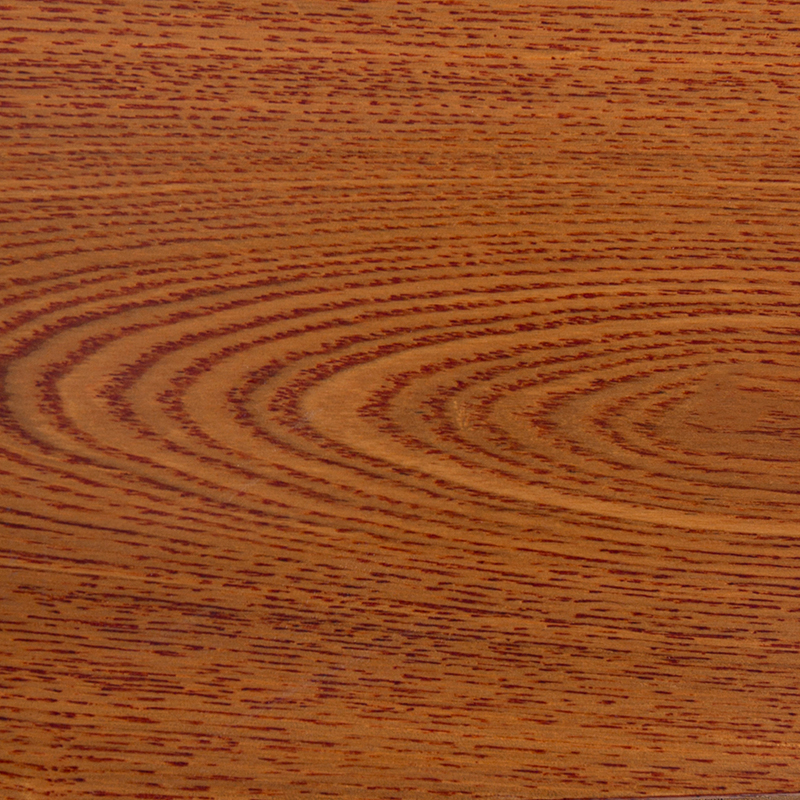
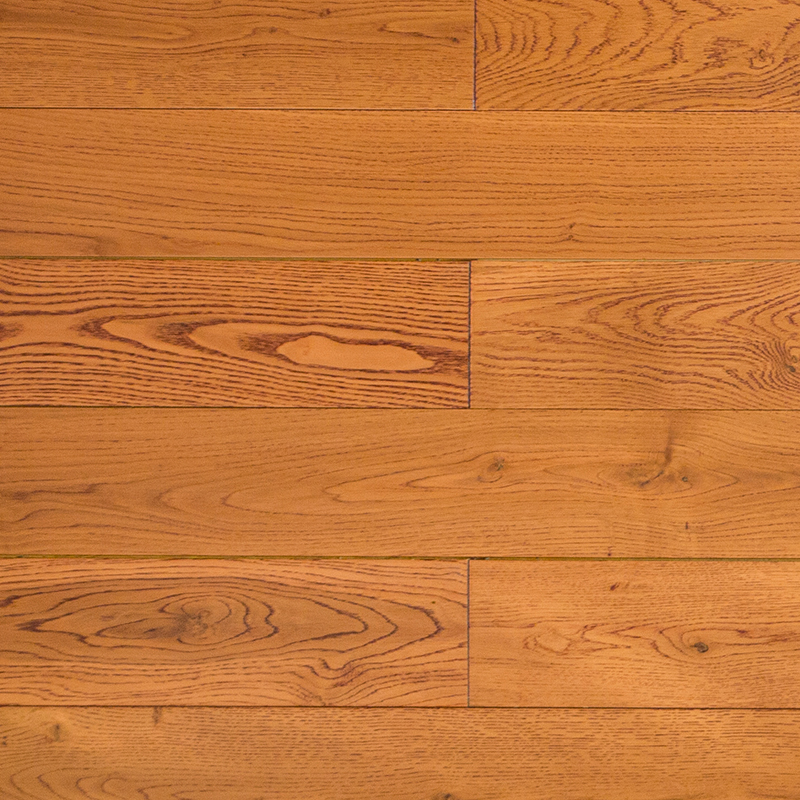
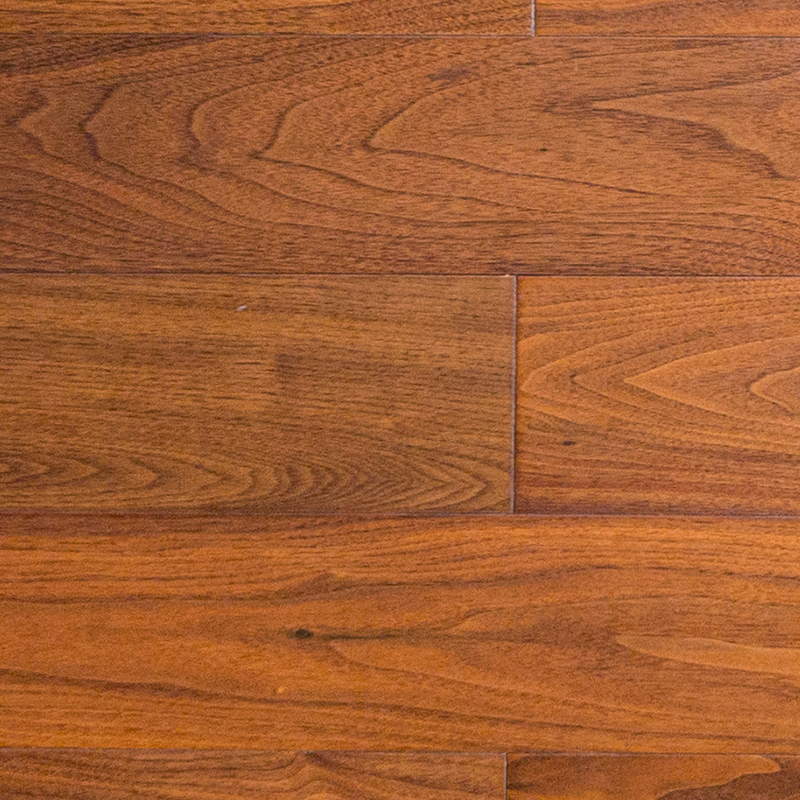
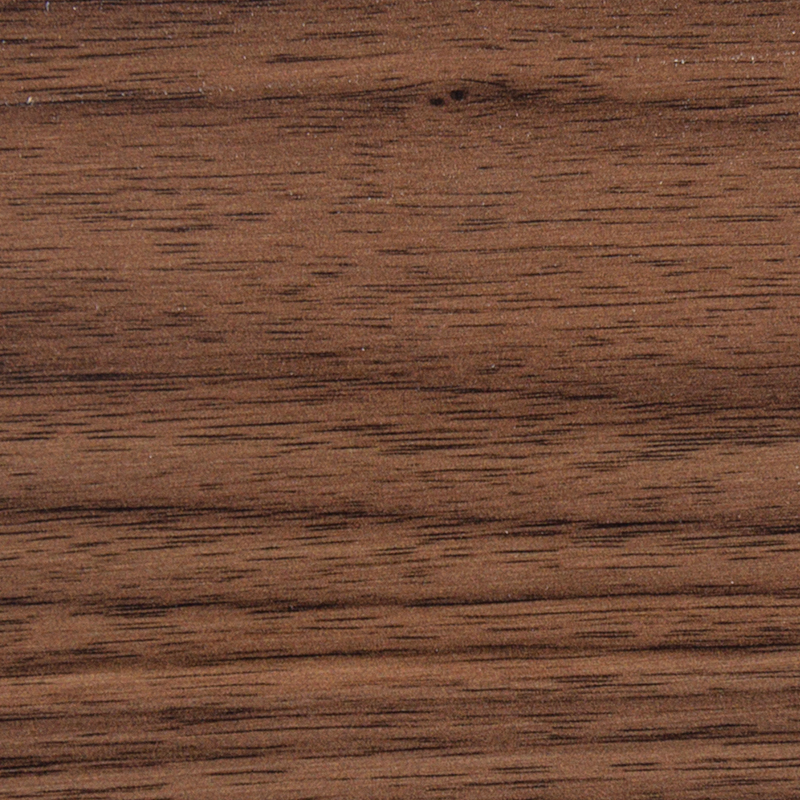
Both 12mm and 8mm laminate come in extensive design and style options, though the superior quality and durability of 12mm products often correlates with more sophisticated, authentic design reproductions. Aesthetic considerations should not overshadow durability in the selection decision, but the availability of premium design options in 12mm products does enhance overall satisfaction with the installation.
Contemporary laminate design options include:
- Traditional oak, maple, and walnut reproductions with authentic grain patterns
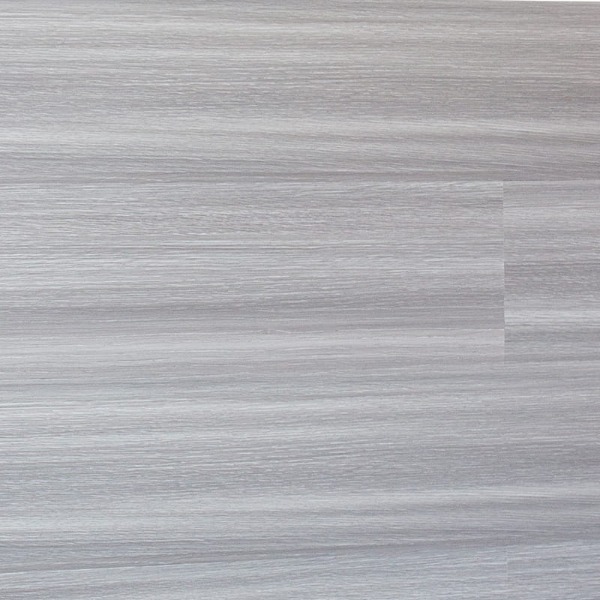
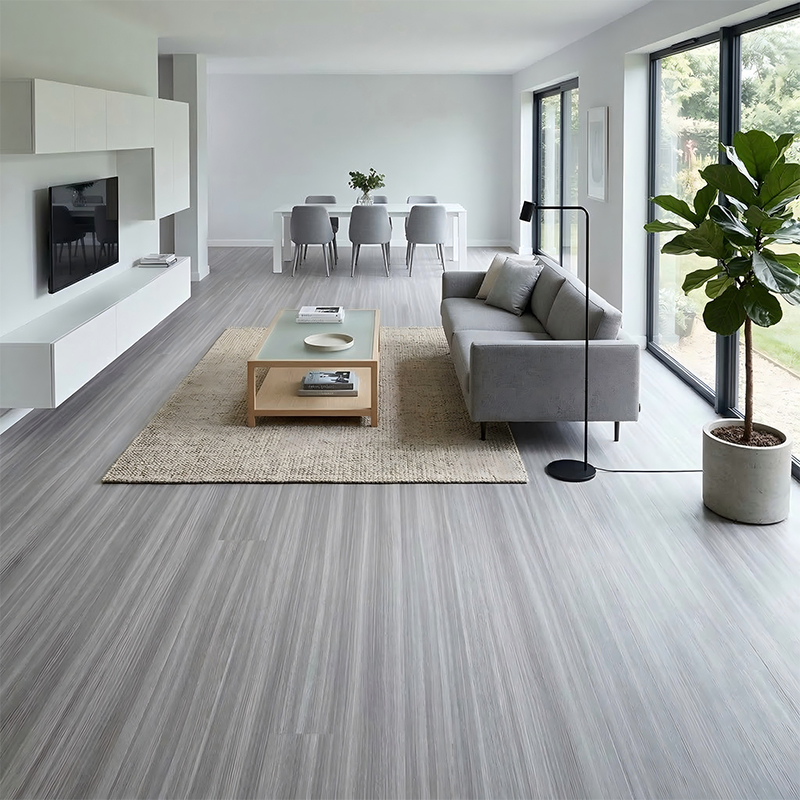
- Trending grey and whitewashed finishes for modern interiors
- Exotic wood species replications at accessible price points
- Hand-scraped and distressed surface textures mimicking aged materials
- Herringbone and complex geometric patterns in contemporary installations
- Stone and tile effect designs for eclectic design schemes
Surface Texture Options
Premium 12mm laminate often features embossed surfaces that mimic the tactile qualities of genuine hardwood or stone. These textured finishes enhance visual authenticity and provide subtle acoustic benefits compared to smooth-surface alternatives. The additional core thickness in 12mm products better supports elaborate surface embossing without compromising structural integrity.
Environmental and Health Considerations
Material Composition and Emissions
Modern laminate flooring uses fiberboard cores manufactured from recycled wood fibers and sustainable forestry sources. The manufacturing process itself—compression and adhesive application—is substantially standardized across 12mm and 8mm products, though quality variations exist among manufacturers.
Volatile organic compound (VOC) emissions represent a legitimate health consideration in any interior flooring selection. Quality control standards for off-gassing vary significantly between products, but established manufacturers of both thicknesses maintain emission levels within acceptable parameters for residential and commercial installations.
Recyclability and Disposal
Both 12mm and 8mm laminate present disposal challenges at end-of-life since the multiple material layers resist separation for recycling. However, the longevity advantage of 12mm flooring reduces the total volume of laminate entering disposal streams over equivalent time periods. Over a 50-year period, a series of 8mm replacements generates substantially more waste than a single or double 12mm installation cycle.
Technical Installation Guidance and Best Practices
Subfloor Preparation Requirements
Proper subfloor preparation is essential for both thicknesses, though 12mm laminate's superior bridging capability provides some tolerance for minor imperfections. Subfloors must be clean, dry, structurally sound, and reasonably level. Acceptable deviations are typically within 3mm over any 3-meter span for 12mm installations, compared to 2mm for 8mm.
The subfloor surface should be checked for moisture content before installation. Concrete subfloors require moisture testing to confirm moisture vapor emission rates remain within acceptable ranges. Existing flooring must be completely removed unless specifically rated for overlap installation.
Expansion Gap Management
Both thicknesses require expansion gaps around room perimeters to accommodate seasonal dimensional changes. Standard practice dictates 8 to 12mm expansion gaps around walls, door frames, and fixed objects. The thicker construction of 12mm laminate typically requires space at the higher end of this range due to greater absolute dimensional movement, though the difference is marginal.
Underlayment Selection
Quality underlayment enhances performance regardless of thickness, but serves different purposes for each. For 12mm laminate, underlayment primarily improves acoustic performance and provides moisture barrier protection. For 8mm products, underlayment becomes essential for compensating structural limitations and bridging minor subfloor irregularities.
Underlayment options include foam padding, cork-based products, and moisture-barrier films. Manufacturer compatibility should always be verified before applying underlayment, as some click-lock systems specify particular products to maintain warranty coverage.
Step-by-Step Installation Process
Both 12mm and 8mm laminate follow identical click-lock installation procedures, though handling 12mm planks demands somewhat less finesse due to improved structural rigidity:
- Prepare and inspect the subfloor surface, confirming levelness and dryness
- Install underlayment if specified, ensuring complete coverage and proper seaming
- Establish expansion gaps along all walls and fixed structures
- Begin installation in the longest straight wall, working perpendicular to window light
- Stagger end joints between successive rows to create load distribution and visual interest
- Use pull bars and tapping blocks to firmly seat click-lock connections
- Complete the perimeter using trim molding to cover expansion gaps
- Allow acclimatization time (typically 24-48 hours) before moving heavy furniture
Visual Performance Comparison
Frequently Asked Questions
Q1: Is 12mm laminate worth the additional cost compared to 8mm?
Yes, in most residential and commercial applications. While 12mm costs 15-35% more initially, its 15-25 year lifespan versus 10-15 years for 8mm means significantly lower replacement costs over time. The enhanced durability, superior moisture resistance, and improved comfort justify the investment for high-traffic areas and long-term installations.
Q2: Can I install 12mm laminate over radiant heating systems?
Yes, but with caution. Most manufacturers allow 12mm laminate installation over radiant heat systems if the flooring surface temperature remains below 27 degrees Celsius. Verify specific product specifications and ensure proper underlayment compatibility with heated floor systems. The thicker construction of 12mm may provide slightly better thermal insulation properties than 8mm.
Q3: How does 12mm laminate perform in kitchens with potential water exposure?
12mm laminate performs reasonably well in kitchens when properly sealed and maintained, though it is not truly waterproof. The thicker construction resists swelling better than 8mm, but immediate cleanup of spills remains essential. For kitchens with severe moisture concerns, waterproof vinyl plank or ceramic tile alternatives should be considered despite higher costs.
Q4: What is an AC5 rated laminate, and why does it matter?
AC5 rating indicates suitability for intensive commercial environments with extreme foot traffic. Most quality 12mm commercial laminate flooring achieves AC4 or AC5 ratings, while 8mm typically maxes at AC3 or AC4. This classification system standardizes durability expectations, making AC5 products appropriate for retail, hospitality, and heavily-trafficked commercial spaces.
Q5: Do I need underlayment for 12mm laminate installation?
Underlayment is recommended but not always mandatory for 12mm laminate. Quality underlayment improves moisture protection, sound dampening, and comfort. It becomes essential if the subfloor has minor irregularities or if acoustic performance is prioritized. Most manufacturers provide compatibility guidelines specifying which underlayment products maintain warranty coverage.
Q6: How long does 12mm laminate flooring typically last in residential settings?
Quality 12mm laminate typically lasts 15-25 years in residential applications with normal use. Lifespan varies based on traffic intensity, moisture exposure, and maintenance quality. Commercial installations with heavier traffic generally see slightly shorter service lives unless AC4 or AC5 rated products are specified.
Q7: Can I refinish or repair damaged 12mm laminate flooring?
Unlike hardwood, laminate flooring cannot be sanded and refinished. However, individual planks with damage can be replaced by cutting them out and installing new planks using the click-lock system. This modularity represents one of laminate's advantages over permanently glued flooring options.
Q8: What expansion gap size is required for 12mm laminate installation?
Standard practice requires 8-12mm expansion gaps around room perimeters. The thicker construction of 12mm laminate typically uses the upper end of this range to accommodate slightly greater seasonal dimensional movement. Trim molding covers these gaps while allowing floor movement.
Q9: Is 12mm laminate suitable for basements or below-grade installations?
Basements present challenging conditions for any laminate flooring due to moisture and humidity fluctuations. While 12mm's enhanced moisture resistance makes it superior to 8mm alternatives, even premium 12mm products remain vulnerable to sustained moisture exposure. For below-grade spaces, waterproof vinyl planks or engineered hardwood options should be prioritized.
Q10: How does 12mm laminate compare acoustically to thicker alternatives like vinyl or engineered wood?
12mm laminate offers superior sound dampening compared to standard 8mm laminate but remains less acoustically absorbent than vinyl plank flooring or thick engineered hardwood. For spaces where maximum sound insulation is essential, thicker vinyl products or acoustic underlayment with 12mm laminate provides better performance than laminate alone.