


 English
 Español
 عربى
عربى
0 m²
Production Base
 Get Free Sample

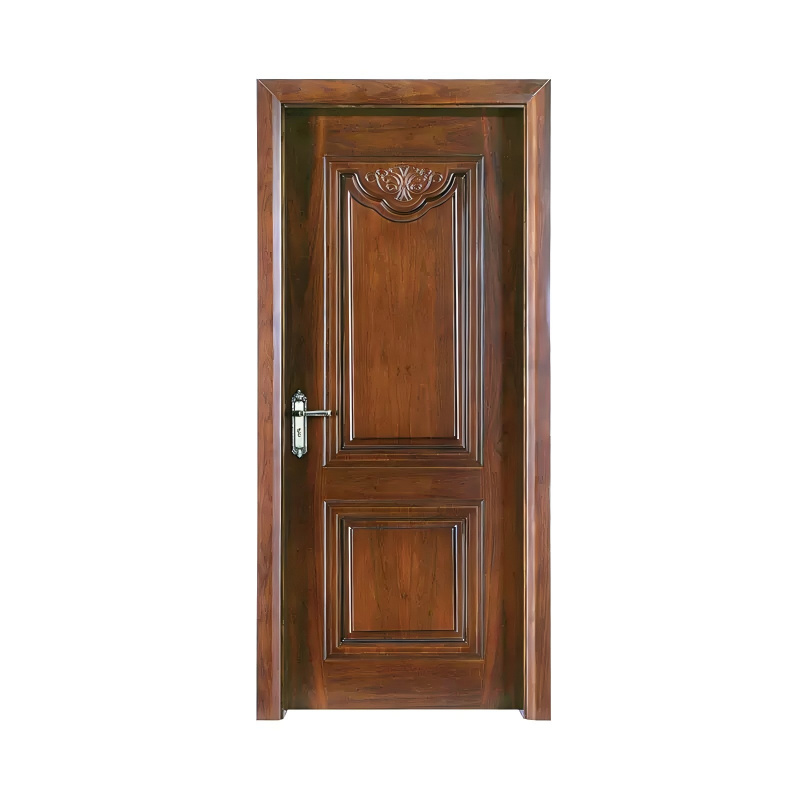
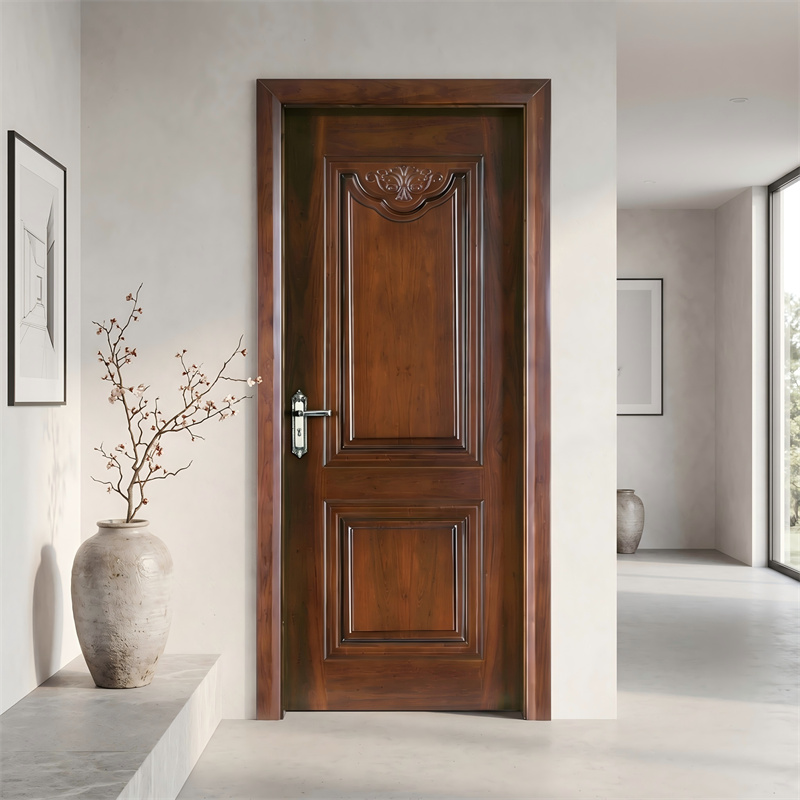
DFD-NV-09
 |
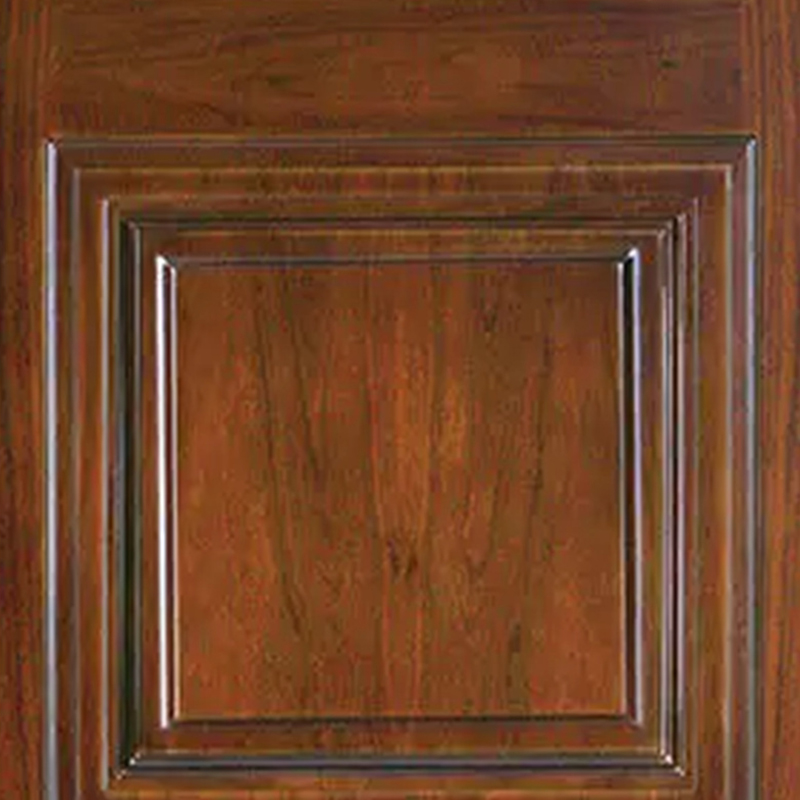
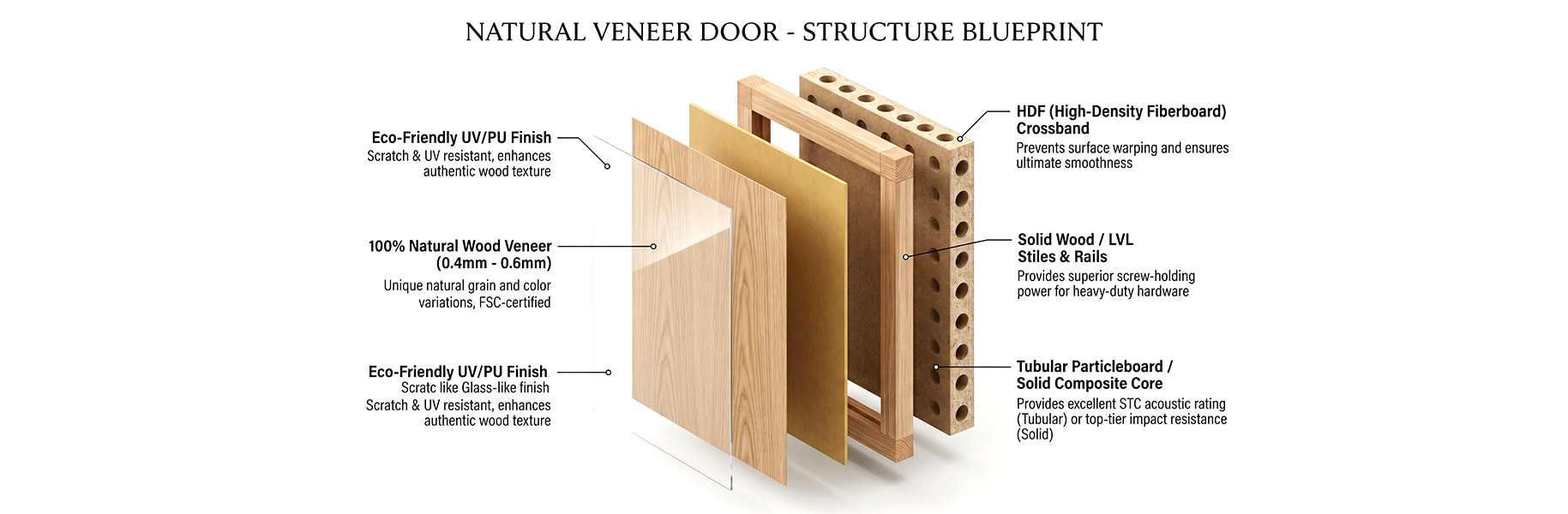
100% Pure Natural Wood Veneer: Selected from the world's finest logs, sliced to retain unique natural textures and authentic feel. |
 |
High-Strength Composite Solid Wood Core: Scientifically designed for pressure resistance, addressing the root causes of cracking and warping common in solid wood. |
 |
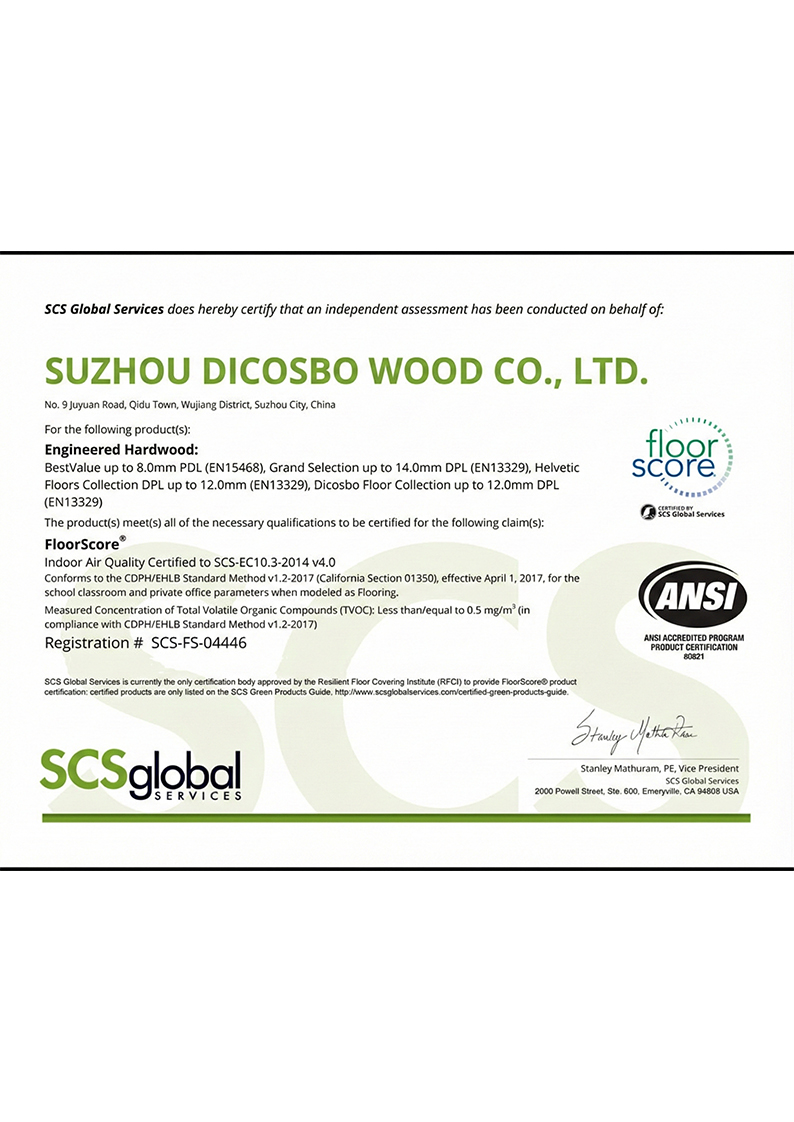
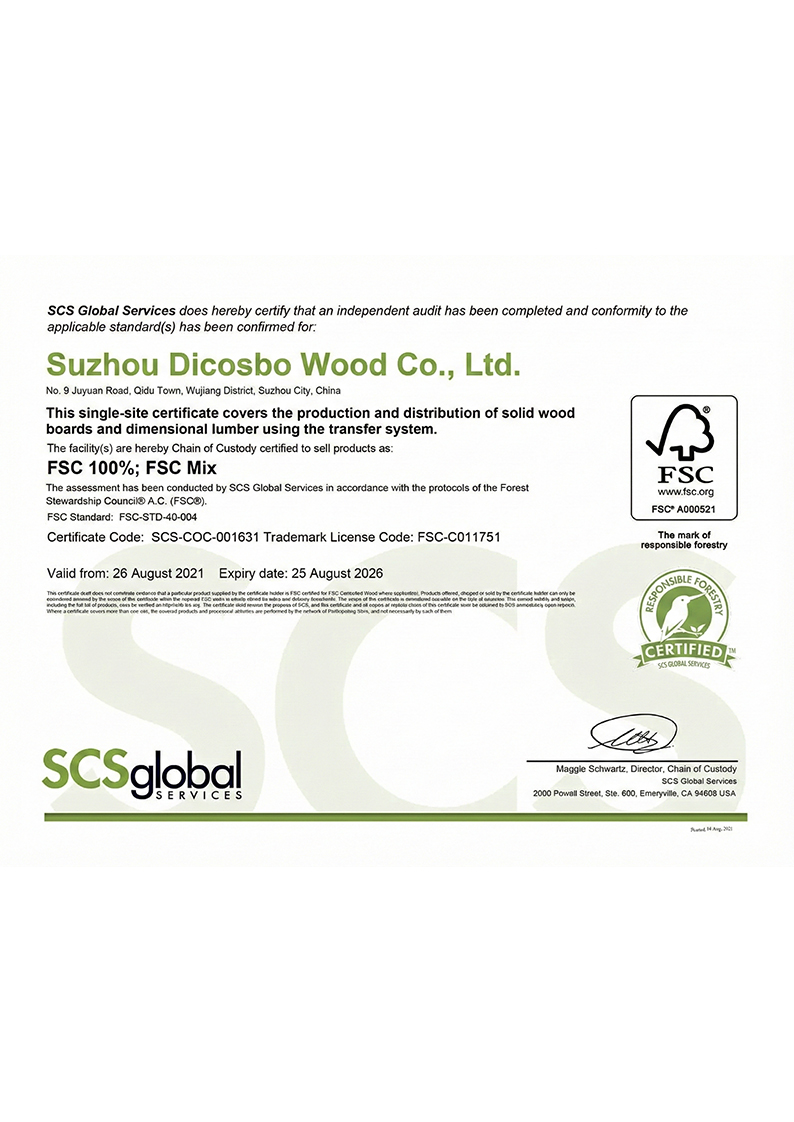
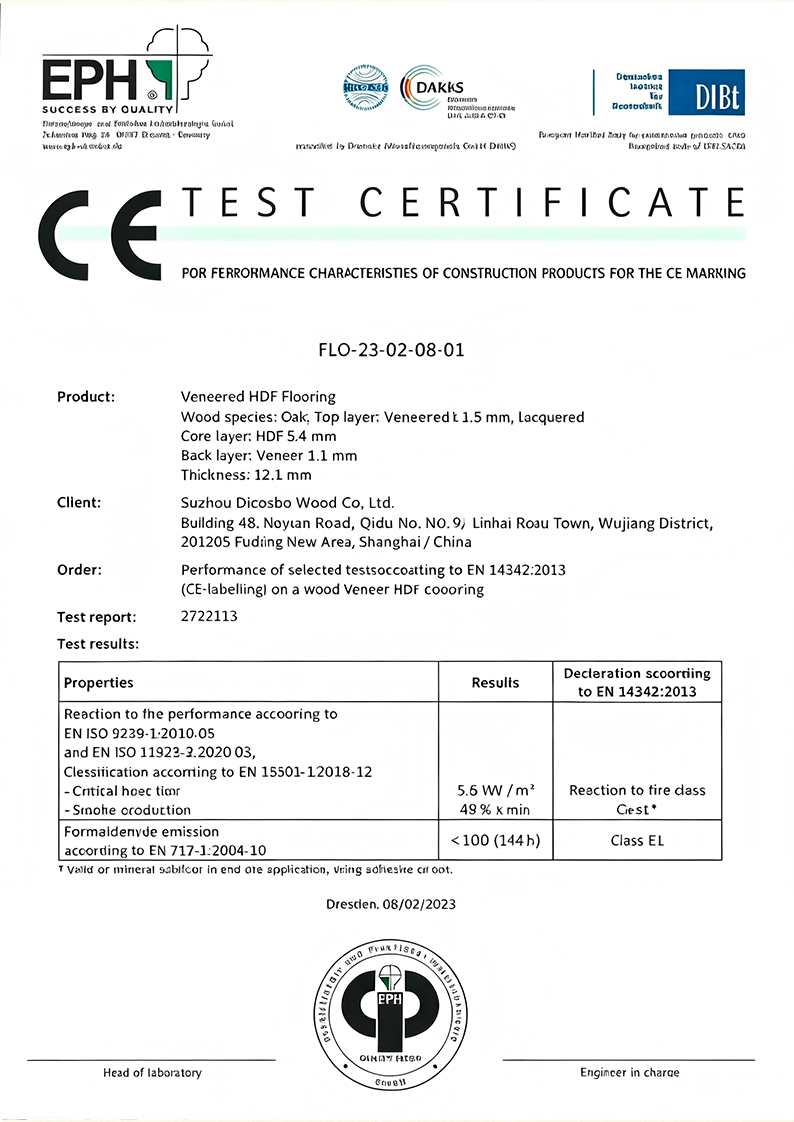
FSC and CE Dual Certification: Wood sourced from sustainable forests, meeting stringent European safety and environmental export standards. |
 |
Extensive Selection of Finishes and Wood Species for Customization: Open-pore finishes, closed-pore finishes, and dozens of veneer colors can be customized to match interior design styles. |
 |
Flexible Customization for Non-Standard Sizes: Supports custom-designed projects for extra-wide, extra-high doorways, and various irregular shapes. |
 |
Pre-cut Hardware Holes: Precisely pre-cut door lock and hinge holes before shipment, improving on-site installation efficiency by 50%. Ultimate Project Cost-Effectiveness: Achieve a high-end visual premium comparable to pure solid wood within a controllable project budget. |
 |
Exceptional Project Cost-Effectiveness: Achieve a high-end visual premium comparable to pure solid wood within a controllable project budget. |


|
Wood_Species/Surface_Material |
Customizable: Red Oak/Black Walnut/White Ash |
| Base_Board | MDF/HDF, Plywood Available |
| Core_Structure | Honeycomb paper/Solid Wood/Plywood Available |
| Surface_Finish | Primed or Painted Finished |
| Color | Customized available |
| Standard_Slab_Size_mm | 2100 * 900 * 45, Customized available |
| Wall_Thickness_Range | 100 - 300 (Customizable) |
| Edge_Banding | PUR/Laser Edge Banding available |
| Frame_Material | MDF/Plywood available |
| Fire_Rating | NA/Customizable |
| Acoustic_STC/Rw | Rw 28-32 dB/ Customizable |
| Eco_Standard | E0 & E1 grades optional |
| Moisture_Content | 8%-10% (+/- 2%) |
| Delivery_Form | Knock-down Frame + Slab |
| Opening_Direction | Left/Right, Inward/Outward Customizable |
| Pre-drilling_Service | Hinge & Lock pre-drilled |
| Weight_Per_Set_kg | 45 (Including door panels and door frames) |
| Packaging_Type | PE Film + Foam + Carton |
| Sets_Per_Pallet | 25 |
Please feel free to contact us anytime you need samples from us!
Get Free Sample

About DEIF
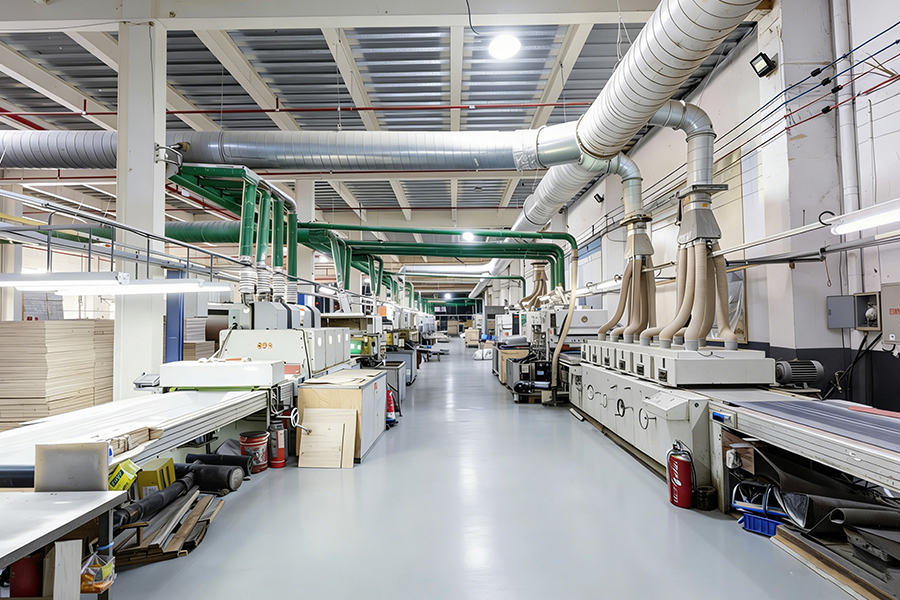
Suzhou Dicosbo Wood Co,. Ltd. is China wholesale Regal Walnut Veneer Door suppliers and Regal Walnut Veneer Door company. DEIF has over 10 years of flooring manufacturing experience. We own a 20,000 m² standardized production base equipped with imported German production equipment, and a professional team of more than 100 employees, including over 50 production technicians and 15+ quality inspectors. We implement full-process quality inspection from log selection, production and processing to finished product delivery, ensuring consistent quality for every batch. We are capable of undertaking large-volume orders and meeting the supply demands of overseas customers. We offer Regal Walnut Veneer Door for sale.

Production Base

R&D Engineers

Global Partners
Our products have obtained EU CE safety certification, FSC Forest Stewardship certification, North American CARB P2 environmental certification, and ISO quality system certification (CE/FSC/CARB/ISO Certified).High-definition electronic and paper versions of all certificates are available upon request.Product quality meets the standards of major global markets. You can rest assured about compliance, and our products can be directly exported to many countries and regions around the world.
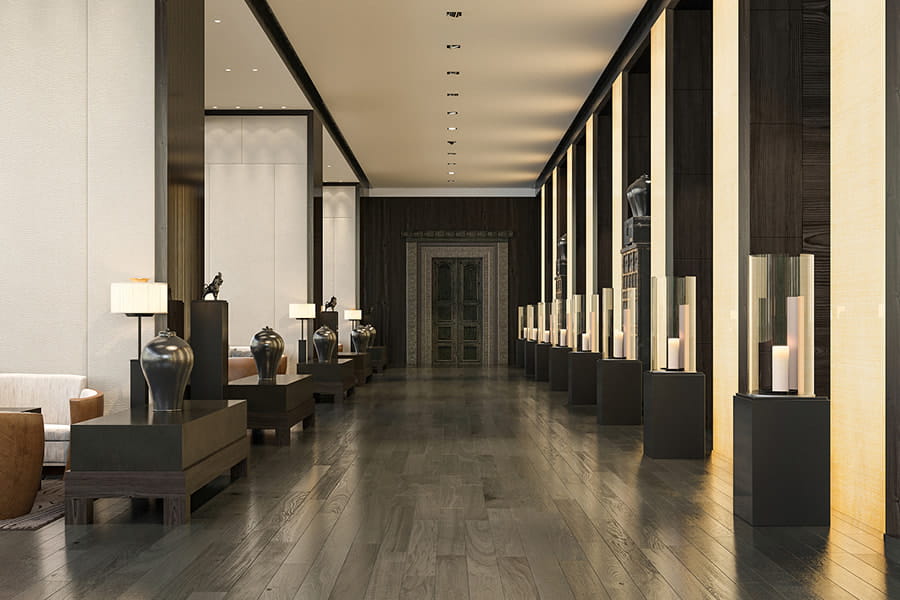
| Project Scale | 12,000㎡ |
| Client Type | Dubai Hotel Group |
| Lead Time | 45 days |
| Certifications | FSC / CE / UL |
| Key Products Used | Parquet Flooring (Herringbone Pattern) + Soundproof Wooden Doors |
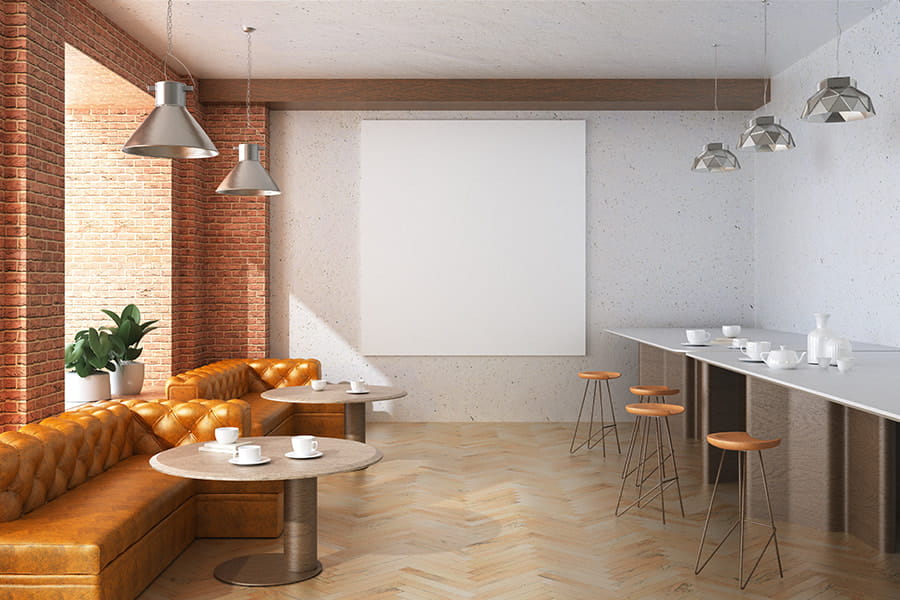
| Project Scale | 120㎡ |
| Client Type | Cafe Flooring Projects |
| Lead Time | 18 days |
| Certifications | FSC / CE / UL |
| Key Products Used | Distressed Ash Wood Flooring |
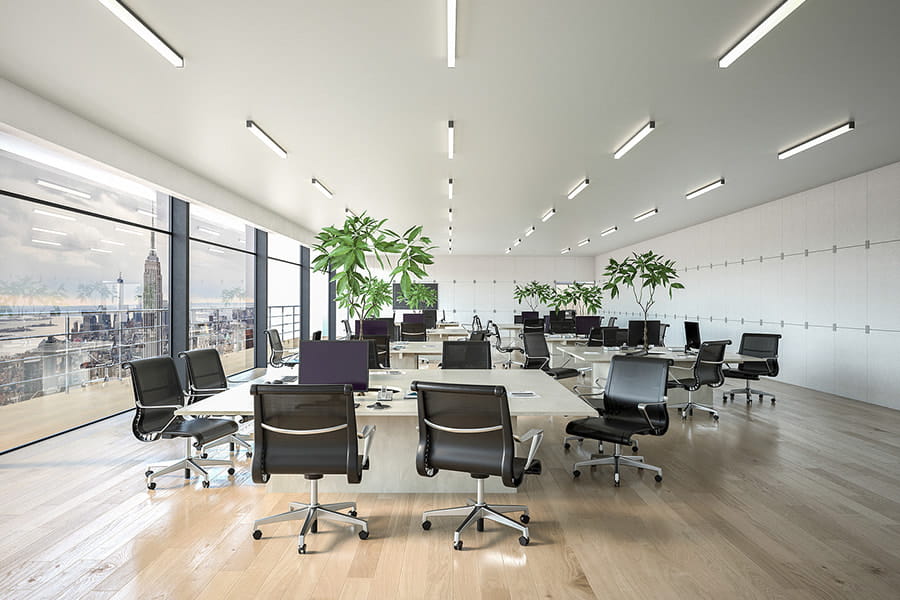
| Project Scale | 850㎡ |
| Client Type | Office Building Projects |
| Lead Time | 25 days |
| Certifications | FSC / CE / UL |
| Key Products Used | Solid Oak Wood Flooring |
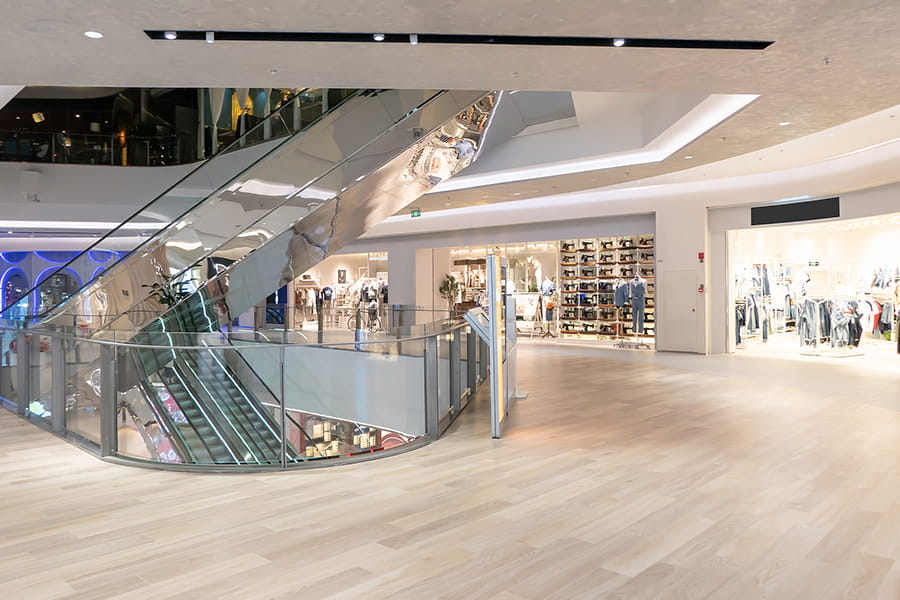
| Project Scale | 1500㎡ |
| Client Type | Large Shopping Mall |
| Lead Time | 30 days |
| Certifications | FSC / CE / UL |
| Key Products Used | Engineered Walnut Wood Flooring |
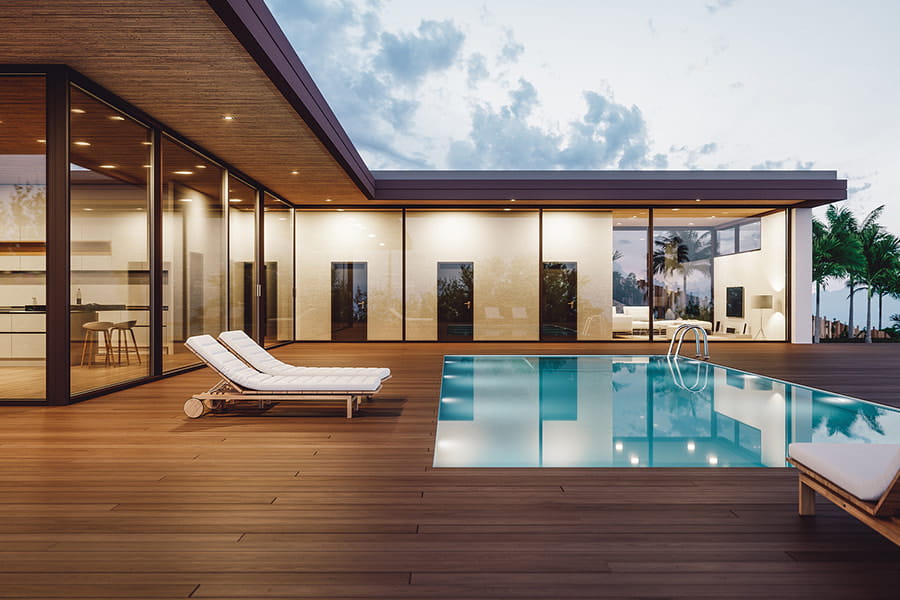
| Project Scale | 500㎡ |
| Client Type | Boutique Homestay |
| Lead Time | 18 days |
| Certifications | FSC / CE / UL |
| Key Products Used | Engineered Walnut Wood Flooring |
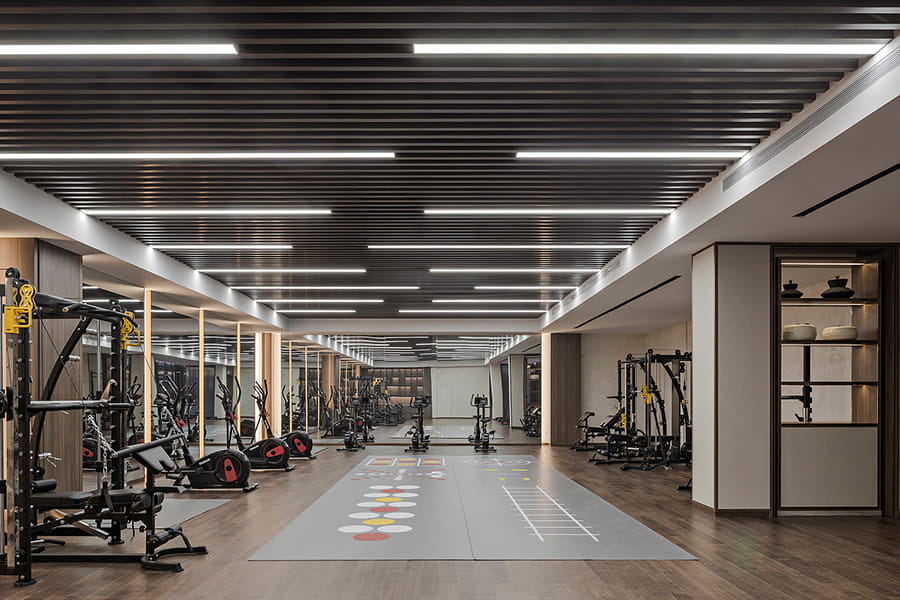
| Project Scale | 1200㎡ |
| Client Type | Commercial Fitness Center |
| Lead Time | 25 days |
| Certifications | FSC / CE / UL |
| Key Products Used | Engineered Oak Wood Flooring |






 MOQ: 100 m² for standard products, 300m² for customized products Payment Terms: T/T (30% deposit + 70% balance), L/C accepted Warranty Period: 5-year quality
warranty, lifetime technical support Return & Exchange Policy: Returns &
exchanges not accepted for non-quality issues;
for quality issues, replacement or compensation can be negotiated within 7
days Customization: OEM & ODM available,
72-hour fast sampling
MOQ: 100 m² for standard products, 300m² for customized products Payment Terms: T/T (30% deposit + 70% balance), L/C accepted Warranty Period: 5-year quality
warranty, lifetime technical support Return & Exchange Policy: Returns &
exchanges not accepted for non-quality issues;
for quality issues, replacement or compensation can be negotiated within 7
days Customization: OEM & ODM available,
72-hour fast sampling Yes, ash wood offers excellent stability, and the UV coating provides great thermal conductivity. It is compatible with both water and electric underfloor heating systems and can be directly installed on heated floors.
The surface UV coating is smooth and dense. It can be easily cleaned with a dry mop for daily care, and any crevices in the texture can be gently brushed with a soft brush. It does not tend to trap dirt or grime.
The MOQ for standard designs is 100 ㎡, and 300 ㎡ for customized products. We support OEM/ODM customization, including dimensions, colors, and surface treatments.
The lead time is 15–20 days for standard orders and 25–30 days for customized orders. We work with logistics providers including DHL, FedEx, and Maersk, offering direct delivery to over 30 countries and regions worldwide, with full tracking of the shipment progress.
A manufacturer’s perspective on avoiding damp-zone floor failures and controlling total project cost...
View Our CaseA guest bathroom floor can look perfect for two years, then a hairline gap appears at the threshold...
View Our CaseSuzhou Dicosbo Wood Co,. Ltd. supplies premium 12mm commercial laminate flooring designed to withsta...
View Our CaseSelecting the right laminate flooring thickness is one of the most consequential decisions you'll ...
View Our CaseUnderstanding Chevron Parquet Flooring: Where Geometry Meets Craftsmanship Chevron patterns represe...
View Our CaseChoosing a natural wood veneer door for a residential or commercial project is not simply a matter of selecting a preferred wood species or surface color. For architects, interior designers, contractors, and purchasing managers, the more important questions are whether the door will remain dimensionally stable, whether the veneer will deliver the intended visual effect, and whether the construction can meet the requirements of the project environment.
A natural walnut veneer door can combine the visual character of real wood with a more controlled engineered construction, but only when veneer selection, core structure, balancing, finishing, and customization are considered together. The following points provide a practical framework for evaluating wood veneer doors before placing a project order.
Natural wood veneer is produced by slicing timber into thin sheets. The cutting method determines how the grain appears on the finished door.
Plain Sliced veneer generally produces a broader and more varied grain pattern, making it suitable for interiors where a natural and expressive wood appearance is required. Quarter Cut veneer tends to create a straighter and more consistent grain direction, which can work well in contemporary interiors requiring visual continuity.
Veneer thickness should also be evaluated together with the substrate and finishing system. A veneer is not an independent decorative layer; its performance depends on how it is bonded to the door construction and how the complete surface responds to changes in temperature and humidity.
For the buyer, this means: veneer should be evaluated as part of the complete door construction rather than selected only from a small color sample.
Solid wood has natural dimensional movement. When environmental humidity changes, timber can absorb or release moisture, causing expansion and contraction. For large door leaves or projects with relatively demanding dimensional requirements, uncontrolled movement can become a practical concern.
An engineered door core provides a more controlled structural base for the veneer surface. The purpose is not to eliminate the natural characteristics of wood, but to manage dimensional movement through a designed construction.
For a walnut veneer door for high-end projects, this distinction is particularly relevant when doors are large, repeatedly used, or installed in buildings where indoor environmental conditions vary.
For the buyer, this means: the question should not simply be “Is the door solid wood?” but rather “How is the door engineered to maintain dimensional stability?”
A veneer door should normally maintain a balanced structure across both sides of the door leaf. If one surface has a significantly different material composition or moisture response from the opposite side, changes in environmental conditions may create uneven stress.
This is why balanced construction is an important consideration for wood veneer doors. The decorative face, core, backing layer, and finishing system should work together rather than being treated as separate components.
For the buyer, this means: when comparing suppliers, ask for the complete cross-sectional construction of the door rather than evaluating only the visible veneer.
Natural veneer contains variations in grain direction, color, and figure. The way individual veneer sheets are arranged can significantly change the visual impression of a door.
Running Match creates a continuous visual direction across veneer pieces and is often suitable for clean, linear interiors. Pleasing Match focuses on achieving an overall balanced appearance rather than strict symmetry. Book Match mirrors adjacent veneer leaves, producing a more symmetrical and distinctive grain effect.
None of these matching methods is universally suitable. The correct choice depends on the interior design language, door size, surrounding wall finishes, and whether the door is intended to blend into the background or become a visual element.
For the buyer, this means: veneer matching should be confirmed during the design stage, especially for projects involving multiple doors that need consistent visual coordination.
Walnut is valued for its natural variation in grain, tone, and figure. Unlike printed decorative surfaces, natural veneer does not produce exactly identical patterns from one door to another.
Small knots, mineral lines, tonal variation, and differences in grain direction may occur within natural veneer. These characteristics should not automatically be regarded as manufacturing defects. Instead, the acceptance criteria should be established according to the project’s visual requirements.
Black walnut and other walnut species can also differ in color depth, grain structure, and overall appearance. Therefore, a purchasing decision should be based on an approved veneer sample or reference standard rather than a general description such as “walnut color.”
For the buyer, this means: define acceptable natural variation before production to reduce disagreements during inspection and delivery.
For international projects, wood sourcing can be an important part of procurement and compliance management. FSC certification is related to responsible forest management and traceability within the certified supply chain.
For buyers working on projects with sustainability requirements, green building documentation, or corporate procurement policies, certified wood materials may provide supporting documentation for their sourcing requirements.
However, certification should be evaluated according to the actual project requirement. Buyers should confirm the scope and validity of the relevant certification rather than treating certification terminology as a substitute for material verification.
For the buyer, this means: if sustainable wood sourcing is part of the project specification, certification and documentation should be discussed before material purchasing begins.
Hotels, private residences, meeting rooms, and other spaces may have different acoustic requirements. Acoustic performance is influenced by the complete door assembly, including the door leaf, core, seals, frame, and installation details.
Terms such as STC or Rw should therefore be considered in relation to the complete door system rather than the decorative veneer alone.
For the buyer, this means: if acoustic performance is important, request information about the complete door assembly and applicable test documentation instead of evaluating the veneer door surface separately.
Pre-hung or pre-opening services can reduce certain installation uncertainties, particularly in projects involving multiple doors. Factory preparation may include hardware positioning, hinge preparation, lock preparation, or other agreed machining requirements.
The practical value is not simply convenience. Consistent factory preparation can reduce the amount of modification required on site and help minimize installation errors.
For the buyer, this means: confirm drawings, hardware specifications, opening dimensions, and tolerances before production so that factory preparation matches the actual installation conditions.
Extra-high or extra-wide doors require more attention to structural design. As door dimensions increase, the weight of the door leaf and the stresses acting on hinges, frames, and the core structure also become more important.
For custom-size applications, the core construction, reinforcement, hardware selection, and installation method should therefore be considered together.
For the buyer, this means: unusual dimensions should be treated as an engineering requirement rather than simply a request to enlarge a standard door.
Open-pore finishing allows more of the natural wood texture to remain visually and physically noticeable. It can provide a more tactile appearance and is often compatible with interiors that emphasize natural materials.
Closed-pore finishing creates a more uniform surface and can provide greater surface sealing. The choice involves a balance between texture, appearance, cleaning requirements, and the desired design effect.
Neither finish should be selected only because it looks attractive in a sample. The intended application and maintenance conditions should also be considered.
For the buyer, this means: choose the finishing system according to both design requirements and expected daily use.
Natural veneer requires appropriate maintenance. Strong acidic or alkaline cleaning agents may affect the finish, while prolonged exposure to direct sunlight can gradually influence the appearance of natural wood.
Routine cleaning should generally use products compatible with the specified finish, while excessive moisture should be avoided during maintenance.
For the buyer, this means: maintenance requirements should be communicated to the end user as part of project handover, especially in hospitality and residential applications.
A Luxury Residential Walnut Door may place greater emphasis on grain continuity, matching, customized dimensions, and coordination with interior furniture. Hotel applications may give greater attention to durability, acoustic requirements, repeated use, maintenance, and installation efficiency.
For a hotel corridor, a Natural Veneer Door for Hotel Corridor should visually coordinate with multiple adjacent doors and wall finishes while maintaining consistent construction across the project.
For a villa entrance or private residence, a Walnut Veneer Door for Villa Entrance may require greater attention to visual impact, customized dimensions, hardware coordination, and the relationship between the door and the surrounding architectural elements.
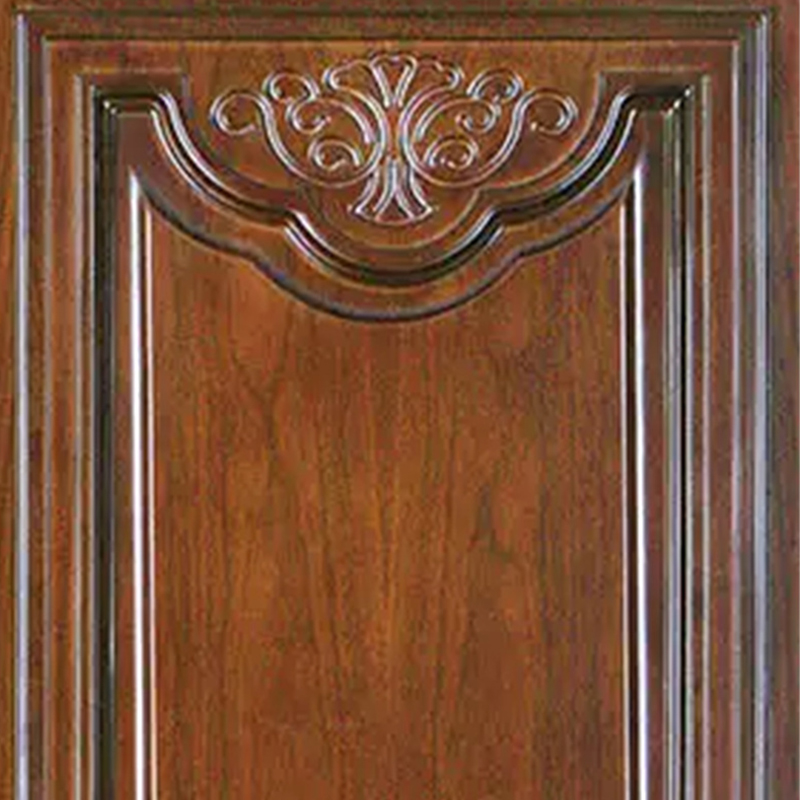
Interior style also affects veneer selection. Classical interiors may benefit from decorative profiles, symmetrical veneer matching, or carved details, while modern minimalist spaces generally place greater emphasis on clean lines, restrained grain arrangements, and simple surface treatment.
Before comparing quotations, purchasing teams can use the following checklist:
A supplier capable of answering these questions clearly can help the buyer evaluate the door on construction and project suitability rather than appearance alone.
For project procurement, manufacturing capability is closely connected with delivery consistency, customization, and quality control. Suzhou Dicosbo Wood Co,. Ltd. has production facilities covering 20,000㎡ and more than 10 years of export experience, with product applications covering residential and project-based markets across Europe, North America, and Southeast Asia.
Its manufacturing capability includes wood flooring, wooden doors, and custom cabinet solutions, supported by automated quality control systems and German-imported production lines. OEM/ODM customization and rapid prototyping are also available for projects with specific design or dimensional requirements.
For a buyer, these capabilities matter because custom wood veneer doors often require coordination between design drawings, veneer selection, structural construction, machining, finishing, and final inspection.
The company also maintains a three-step quality inspection process before shipment. This approach provides a structured basis for checking material, manufacturing, and finished-product requirements rather than relying only on visual inspection at the final stage.
Selecting a natural wood veneer door for a project requires more than comparing veneer colors or surface patterns. The key factors are veneer selection, cutting method, matching, core construction, balanced structure, finishing, customization, acoustic requirements, and application conditions.
A well-designed engineered construction can provide a more controlled foundation for natural veneer, while appropriate matching and finishing determine how effectively the door integrates with the overall interior design. For international procurement, material documentation and manufacturing consistency are also important parts of project risk management.
For buyers comparing a natural walnut veneer door, the most practical approach is to begin with the project requirements, then evaluate the complete door construction against those requirements. A supplier should be able to explain not only what materials are used, but also why the construction is suitable for the intended application.
In practice, the right questions before ordering can prevent many problems after installation. Instead of asking only “What does this door look like?”, buyers should also ask “How is it constructed, where will it be used, how will it be installed, and what requirements must it continue to meet throughout the project?”

We provide customers with sustainable and eco-friendly
engineered wood solutions and services.
Choose DEIF for the perfect blend of
performance and aesthetics.
