Wooden Doors combine structural stability, sound insulation, and natural warmth in a way few other door materials match, but the right choice depends on wood type, core structure, and how the door will be used day to day. This guide walks through door types, comparative performance, and the specification details worth confirming before ordering.
01What Defines a High-Quality Wooden Door
A well-built wooden door depends on core structure, moisture control, and surface treatment working together rather than any single feature alone.
Structural StabilityConsistent shape under humidity change
Sound InsulationReduced noise transmission between rooms
Thermal PerformanceLower heat transfer than most alternatives
02Types of Wooden Doors and Where They Fit
Manufacturing method determines cost, appearance, and structural performance more than wood species alone.
A
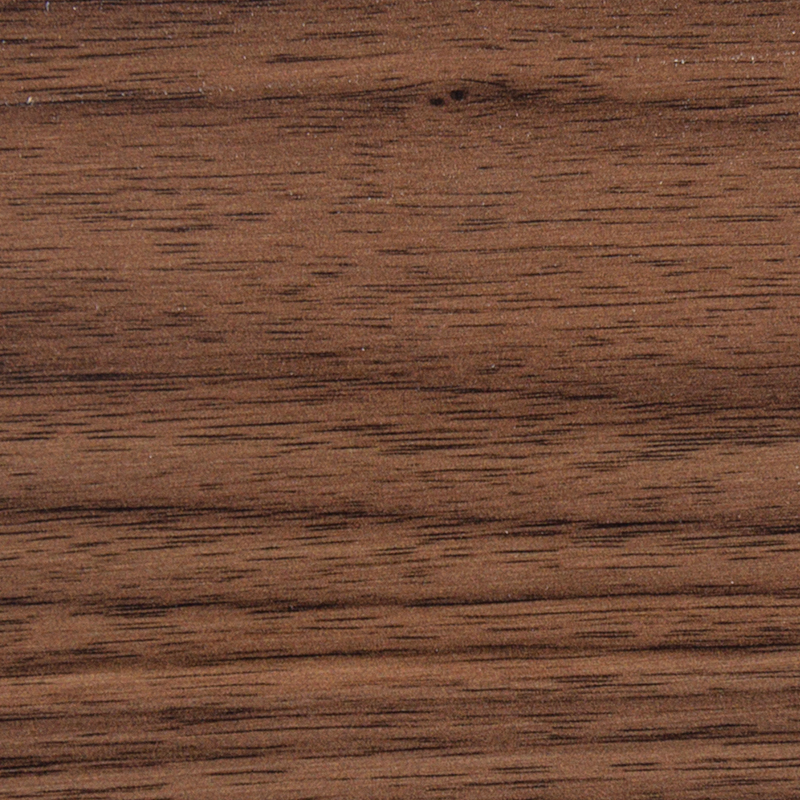
Solid Wood Doors
Maximum durability and natural texture for premium residential and hospitality projects.
B
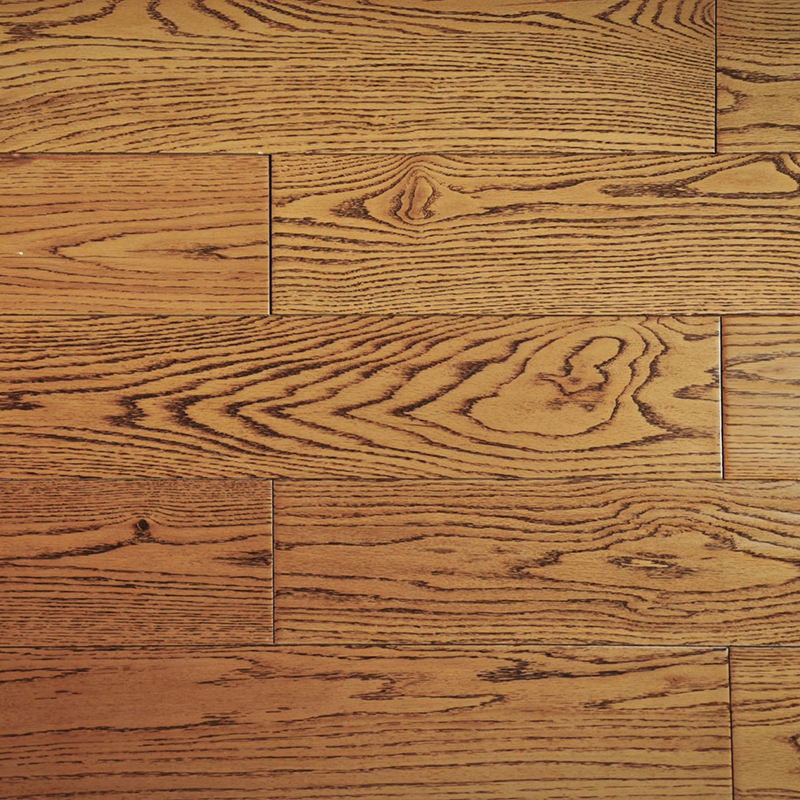
Engineered Wood Doors
Better dimensional stability, suited to varied humidity conditions.
C
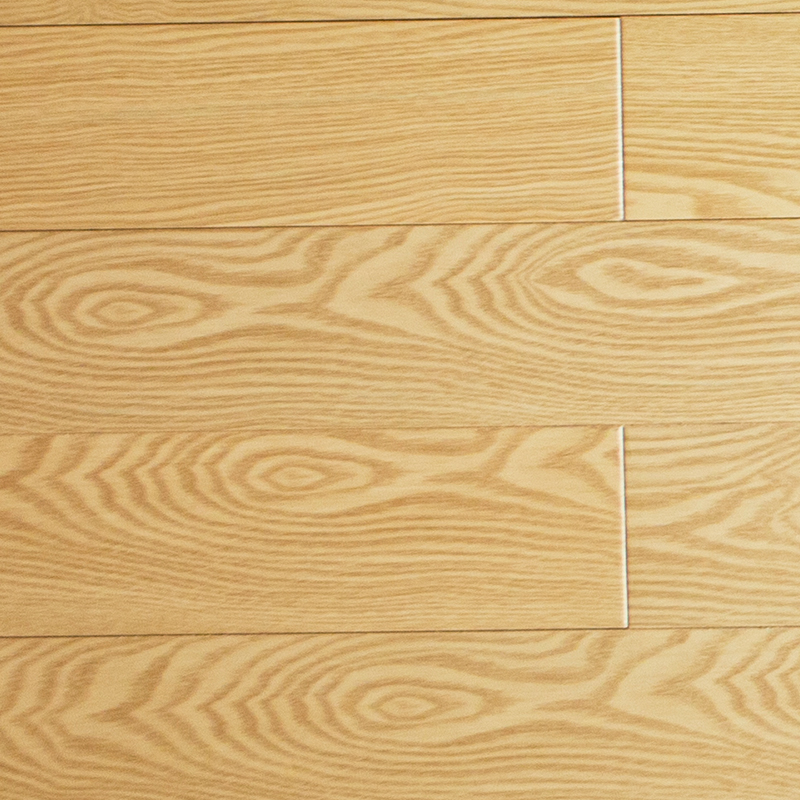
Veneer Wood Doors
Natural surface appearance at a more accessible production cost.
D
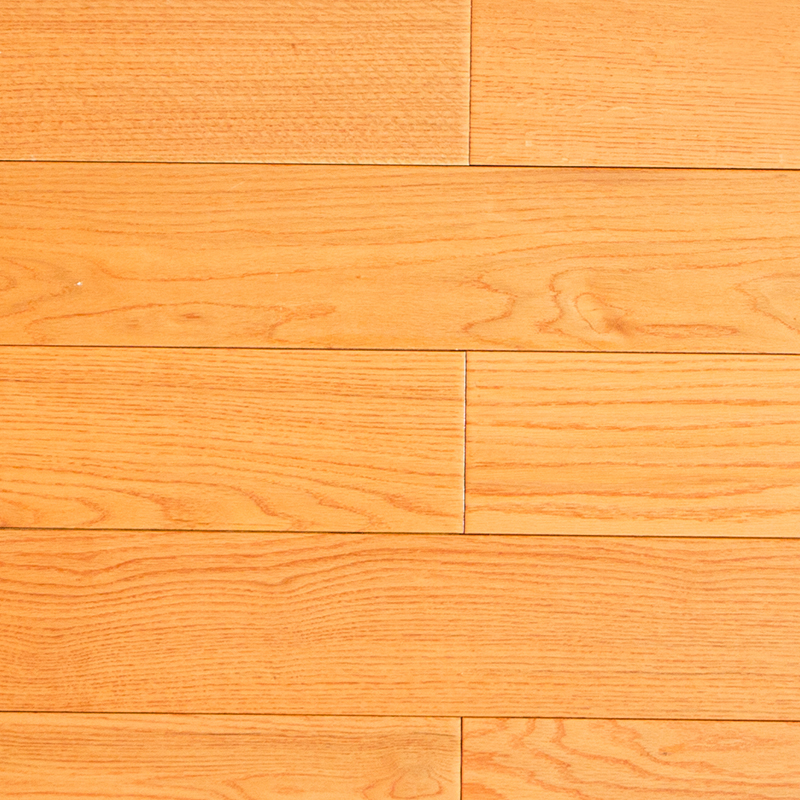
Composite Wooden Doors
Balanced performance for high-frequency commercial and institutional use.
03Wooden Doors vs Alternative Door Materials
| Factor |
Wooden Doors |
Alternative Door Materials |
| Appearance |
Natural texture, wide customization range |
Performance varies by material |
| Insulation |
Natural thermal and sound insulation |
May require additional treatments |
| Maintenance |
Simple cleaning and refinishing options |
Depends on surface material |
Designer Note
Custom finishes, carving patterns, and hardware selection affect lead time more than the door structure itself. Confirm sample approval and finish tolerances early in the project timeline to avoid delays once production begins.
04Applications Across Building Types
The same core door structure serves very different environments once surface finish and hardware are adjusted.
- Residential Buildings — bedroom, living room, and kitchen doors prioritizing privacy and warmth
- Hotels and Hospitality — guest room and lobby doors supporting a premium first impression
- Offices and Commercial Spaces — meeting room and workspace doors balancing privacy and durability
- Educational Facilities — classroom and administrative doors built for frequent daily use
05Quick Answers
What core structure lasts longest in humid climates?
Engineered wood cores generally handle humidity fluctuation better than solid wood alone.
Can wooden doors meet fire safety requirements?
Yes, doors built with appropriate core materials can achieve specific fire resistance ratings when required.
How much can wooden doors be customized?
Size, wood species, surface finish, color, and hardware can all be adjusted to project specifications.



 English
 Español
 عربى
عربى
 Get Free Sample