


 English
 Español
 عربى
عربى






Get Social
Choose DEIF for the perfect blend of
performance and aesthetics.
 Get Free Sample

Content
In today's competitive flooring market, distributors and resellers face mounting pressure to source premium products that command strong margins while meeting diverse customer demands. American walnut flooring wholesale represents one of the most lucrative product categories for professionals who understand both the aesthetic appeal and commercial potential of this material.
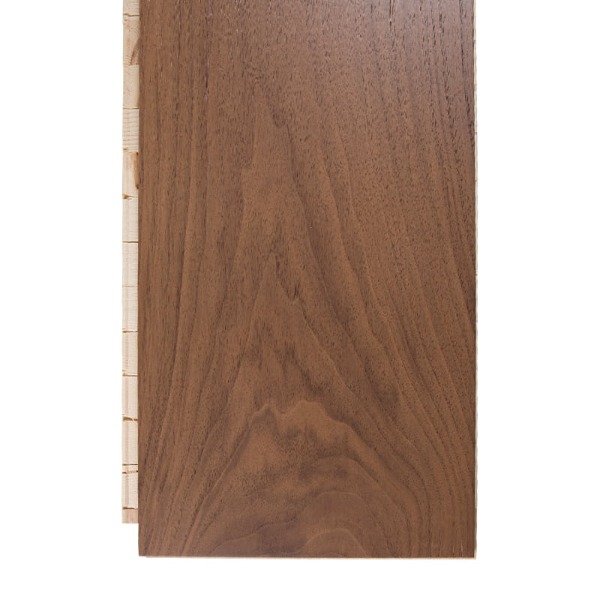
American black walnut has earned its reputation as the gold standard in hardwood flooring, prized for its rich chocolate undertones, sophisticated grain patterns, and timeless elegance. Unlike commodity wood species, walnut naturally positions products in the premium segment, allowing distributors to achieve significantly higher profit margins while maintaining strong customer satisfaction rates. For wholesale operations, this creates a compelling business case: consistent demand, reduced price competition, and the flexibility to serve both high-end residential projects and commercial installations.
The wholesale market for American walnut flooring continues to expand as architects, interior designers, and property developers increasingly specify this material for projects ranging from luxury homes to boutique hospitality spaces. Forward-thinking distributors who establish reliable supply relationships now position themselves to capture this growing demand and build long-term customer loyalty.
Success in wholesale flooring distribution depends on offering customers choice without sacrificing inventory efficiency. A robust supplier should provide multiple product formats, finishes, and sizing options to address the diverse needs of end-users across different market segments.
Solid walnut flooring remains the preferred choice for customers who value authenticity and longevity. Premium solid walnut planks typically feature:
For applications requiring greater dimensional stability or faster installation, engineered walnut flooring delivers practical advantages without compromising aesthetic quality. American black walnut engineered flooring provides:
Differentiation through customization has become essential for resellers competing in crowded marketplaces. Leading suppliers now offer comprehensive customization services that allow distributors to create branded, unique product offerings:
This customization flexibility transforms you from a simple product reseller into a solutions provider, strengthening customer relationships and creating sustainable competitive advantages.
Many distributors evaluate suppliers using a single metric: unit cost. While pricing remains important, sustainable wholesale success depends on factors that protect your business operations and customer relationships over time.
Large-scale bulk walnut flooring orders demand suppliers with substantial production infrastructure. Facilities with modern manufacturing capabilities and significant production footprints can:
Standard lead times of 15-20 days for conventional orders demonstrate production efficiency and operational discipline. Expedited service options provide flexibility for unexpected customer opportunities or compressed project timelines, giving your sales team tools to respond quickly to market demands.
Factory-direct pricing relationships eliminate unnecessary intermediaries that erode your margins. Transparent pricing models for wholesale flooring supply should include:
Comprehensive pricing transparency supports your own customer quoting processes and enables confident margin management across different order sizes and specifications.
International certifications reduce your compliance risk exposure and demonstrate product quality to end-customers and building professionals. Important certifications include:
These certifications become sales tools in your customer conversations, particularly when working with architects, building professionals, and end-users with environmental or health considerations.
Understanding evolving customer preferences and design trends enables you to anticipate market movements and position your inventory strategically. Current market dynamics reveal several significant opportunities for wholesale flooring suppliers.
Contemporary interior design increasingly emphasizes warmth, natural authenticity, and materiality as counterpoints to minimalist aesthetics. Within this context, walnut flooring serves multiple design intentions:
Modern customers increasingly evaluate flooring based on functional performance beyond aesthetic appearance:
Wholesale distributors operating across multiple geographic markets should recognize that regional preferences significantly influence product mix decisions. Successful distributors monitor regional trends including climate-driven performance requirements, design preferences influenced by regional architecture, and price sensitivity variations across different market segments.
Beyond residential applications, commercial and hospitality markets represent growing opportunities for premium walnut flooring. Hotels, restaurants, retail showrooms, and corporate offices increasingly specify high-quality wood flooring to establish distinctive brand environments. These projects typically involve larger order quantities and longer-term relationships, creating stable revenue streams for wholesale suppliers with commercial market expertise.
Successfully serving a wholesale customer base extends beyond product quality and pricing to encompass international logistics expertise and comprehensive project support.
Flooring arrives at jobsites in excellent condition when suppliers employ rigorous packaging protocols. Export-grade packaging approaches typically include:
Best-in-class suppliers maintain damage rates below 0.5% throughout international supply chains, ensuring products arrive ready for immediate installation without costly replacement shipments or project delays.
International shipments require extensive regulatory documentation. Reliable suppliers provide complete documentation packages including:
Professional customs documentation preparation accelerates port clearance, reducing costly delays and ensuring shipments reach distribution centers or jobsites on schedule.
Installation guidance and technical support extend product value beyond delivery. Comprehensive support includes:
This comprehensive support model protects your reputation with end-customers and installation contractors, reducing callback issues and supporting long-term customer satisfaction.
Selecting a wholesale flooring partner represents a strategic business decision requiring systematic evaluation across multiple dimensions. The following framework helps distributors assess supplier capabilities and identify partners aligned with long-term business objectives.
| Evaluation Criteria | Why It Matters | Red Flags to Avoid |
|---|---|---|
| Production Capacity | Ensures supply reliability regardless of order volume or timing | Vague capacity claims or reluctance to discuss production infrastructure |
| Lead Time Performance | Enables reliable customer commitments and inventory planning | Inconsistent lead times or frequent delays affecting your project schedules |
| Quality Consistency | Reduces customer complaints and protects your market reputation | High rejection rates or inconsistent grading between shipments |
| Pricing Transparency | Supports accurate cost forecasting and margin management | Hidden fees, unclear pricing tiers, or frequent price increases |
| Customization Flexibility | Enables differentiation and supports customer-specific requirements | Minimal customization capabilities or prohibitively expensive custom orders |
| Certifications and Compliance | Reduces compliance risk and supports premium market positioning | Missing key certifications or inability to provide compliance documentation |
Systematic evaluation against these criteria identifies suppliers offering comprehensive value propositions beyond simple price competitiveness.
Strategic partnerships with reliable wholesale flooring suppliers generate measurable business benefits extending beyond simple cost savings.
Premium materials like American walnut command retail price points substantially higher than commodity wood species. Strategic wholesale relationships create multiple margin expansion pathways:
Effective supplier relationships improve your operational efficiency through:
Access to premium, customizable products with certifications and quality assurances strengthens your competitive position:
These strategic benefits create sustainable competitive advantages extending far beyond short-term cost reductions.
Establishing a successful wholesale relationship with a new supplier requires thoughtful planning and structured implementation phases.
Begin your partnership with a pilot program allowing both parties to evaluate compatibility without large-scale commitment. Suggested pilot activities include:
Following successful pilot evaluation, develop your market positioning strategy:
As the partnership matures, work toward continuous improvement and mutual benefit:
Minimum order quantities vary depending on product specifications and customization requirements. Standard, stock product lines typically accommodate smaller initial orders, allowing distributors to test market response before committing to larger volumes. Customized products may involve higher minimum quantities to justify production setup costs. Leading suppliers offer flexible MOQ policies for established relationships, particularly when distributors demonstrate consistent purchasing commitment.
Private label services allow you to brand products with your company name and packaging design while purchasing pre-manufactured flooring. OEM services involve closer collaboration with the supplier to develop custom products meeting your specific requirements. Both services enable you to differentiate your product offerings from competitors offering identical commodity products. Suppliers typically require minimum order commitments for custom work, but less stringent quantities than full custom development.
International certifications including FSC, CE, and CARB represent industry standards demonstrating responsible sourcing, regulatory compliance, and product safety. FSC certification verifies responsible forest management. CARB certification documents formaldehyde emission compliance required in many markets. CE marking confirms European market compliance. E0 or E1 emission ratings provide specific documentation of low-formaldehyde construction. Reputable suppliers maintain transparent documentation of all applicable certifications and readily provide copies to customers.
Domestic shipping timelines typically range from 1-2 weeks depending on destination distance and logistics network. International ocean shipping generally requires 3-6 weeks from production completion to destination port arrival. Additional time is required for customs clearance, documentation processing, and final delivery. Professional suppliers provide detailed shipping schedules with order confirmation and maintain transparent communication regarding any potential delays. Expedited air shipping options are available for urgent requirements, though at premium cost.
Quality suppliers establish clear claim procedures for damaged shipments, typically involving timely notification with photographic documentation. Professional suppliers maintain damage rates below 0.5% through rigorous packaging protocols and carrier selection. Suppliers typically replace damaged materials at no cost, either through re-shipment or credit against future orders. Documentation and communication procedures vary by supplier, so establishing clear protocols before ordering prevents disputes and expedites resolution.
Leading suppliers offer extensive customization options including plank widths, lengths, finishes, and surface treatments. Color selection and hand-picking services ensure consistency within shipments. Packaging and branding customization supports private label operations. Customization costs and minimum order requirements vary by complexity, so discussing requirements directly with your supplier account team provides clarity on feasibility and cost implications before committing to orders.
Most suppliers employ tiered pricing structures offering progressively better pricing as order quantities increase. Volume discounts typically apply to both individual orders and cumulative annual purchasing. Transparent pricing structures specify the exact quantity thresholds triggering price improvements, supporting clear cost forecasting. Long-term relationships often receive additional consideration through preferred customer status, seasonal promotions, or negotiated volume commitments.
Professional suppliers provide comprehensive installation documentation including step-by-step procedures with visual illustrations, acclimation guidance, and maintenance recommendations. Many suppliers now offer video tutorials demonstrating installation techniques and problem-solving approaches. Technical support teams available via phone or email address questions arising during installation phases. Bilingual documentation serves international customer bases and non-English-speaking installation teams.
Start with a pilot order at manageable scale, observing product quality, packaging integrity, delivery timeliness, and customer service responsiveness. Request and verify certifications and compliance documentation. Speak with other distributors or resellers currently working with the supplier to gather unbiased feedback on their experience. Evaluate the supplier's production infrastructure and capacity against your projected demand. Assess communication quality and willingness to address questions and concerns throughout the pilot phase.
Payment terms vary among suppliers based on order size, customer relationship history, and geographic location. Common arrangements include payment in full at time of order, deposits with balance due before shipment, or net payment terms for established customers. Some suppliers offer seasonal financing options for large orders. Discussing payment preferences early in the relationship enables negotiation of terms accommodating your cash flow and business operating cycle.

We provide customers with sustainable and eco-friendly
engineered wood solutions and services.
Choose DEIF for the perfect blend of
performance and aesthetics.
