What Is Solid Hardwood Flooring?
Solid hardwood flooring is a natural floor covering milled from a single, solid piece of timber—with no layers, veneers, or composite cores. Unlike engineered wood, which consists of a thin wood layer bonded to plywood or HDF, solid hardwood offers 100% natural wood from top to bottom. This construction grants it the unique ability to be sanded and refinished repeatedly, making it a lifelong flooring investment.
The direct answer is clear: if you desire a floor that gains character with age, withstands decades of use, and can be restored to its original beauty multiple times, solid hardwood is the definitive choice. It is a renewable, durable, and timeless material that has been the standard of quality flooring for centuries.
Key takeaway: Solid hardwood flooring is a single-piece timber product engineered for extreme longevity. A properly maintained solid hardwood floor can easily surpass a century of service, offering at least 4 to 6 refinishing cycles throughout its lifetime. It provides unmatched authenticity and adds measurable value to any interior space.
Core Benefits of Solid Hardwood Flooring
Exceptional Lifespan and Refinishing Capacity
Solid hardwood floors are built to last for generations. Most standard ¾-inch thick planks have approximately 6 mm of sandable wood above the tongue-and-groove joint. This allows for 4 to 6 full refinishing sessions over the floor's life. Each refinishing removes about 1 mm of material, meaning you can change stain colors, erase deep scratches, and revive the surface every 7 to 10 years without ever replacing the floor.
Superior Durability and Wear Resistance
Solid hardwood is exceptionally tough and performs well under heavy foot traffic. High-density species like hard maple and hickory naturally resist dents and abrasions. Moreover, because the wood is solid throughout, surface wear does not compromise the structural integrity of the plank. This makes solid hardwood a robust choice for busy households and even select commercial environments.
Naturally Hypoallergenic and Healthy
Solid hardwood flooring promotes superior indoor air quality. Unlike soft surfaces such as carpet, solid wood does not harbor dust mites, pet dander, pollen, or mold spores. Routine sweeping and occasional damp mopping effectively remove allergens, contributing to a cleaner, healthier breathing environment—particularly beneficial for individuals with allergies or respiratory sensitivities.
Timeless Beauty and Increased Property Value
Solid hardwood is consistently recognized as a premium asset that elevates property resale value. Real estate studies indicate that homes with solid hardwood flooring often sell faster and at higher prices compared to those with synthetic alternatives. The unique grain patterns, rich color variations, and natural warmth create an aesthetic that never falls out of fashion, making it a wise long-term investment.
Types, Species, and Hardness Grades
Popular Wood Species and Janka Hardness
The choice of wood species directly influences the floor's durability, appearance, and performance. The Janka Hardness Scale measures the force required to embed a steel ball into the wood—higher numbers indicate greater dent resistance.
| Species |
Janka Rating & Characteristics |
| Brazilian Cherry (Jatoba) |
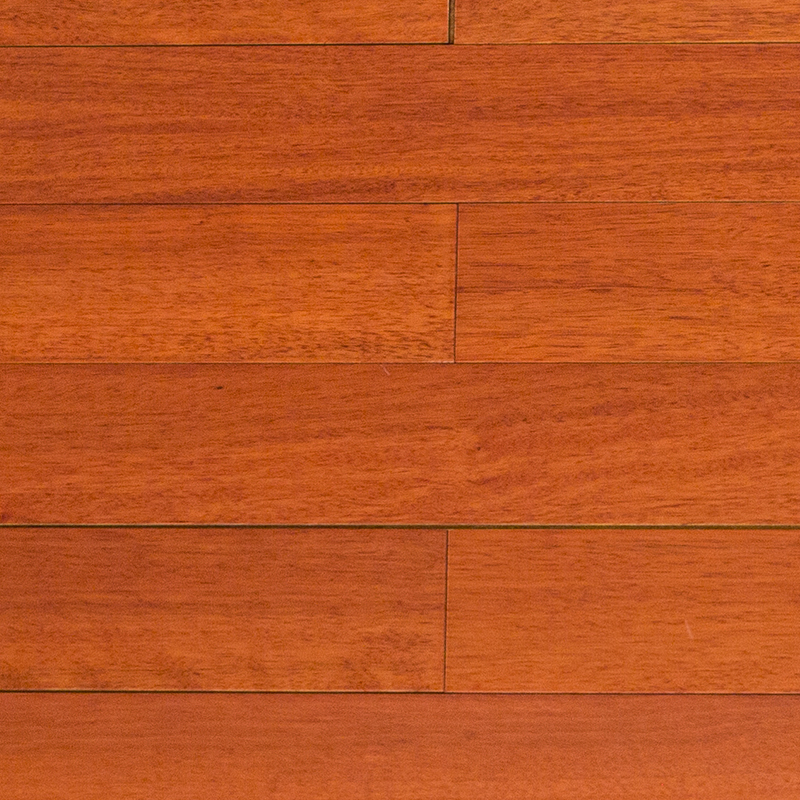
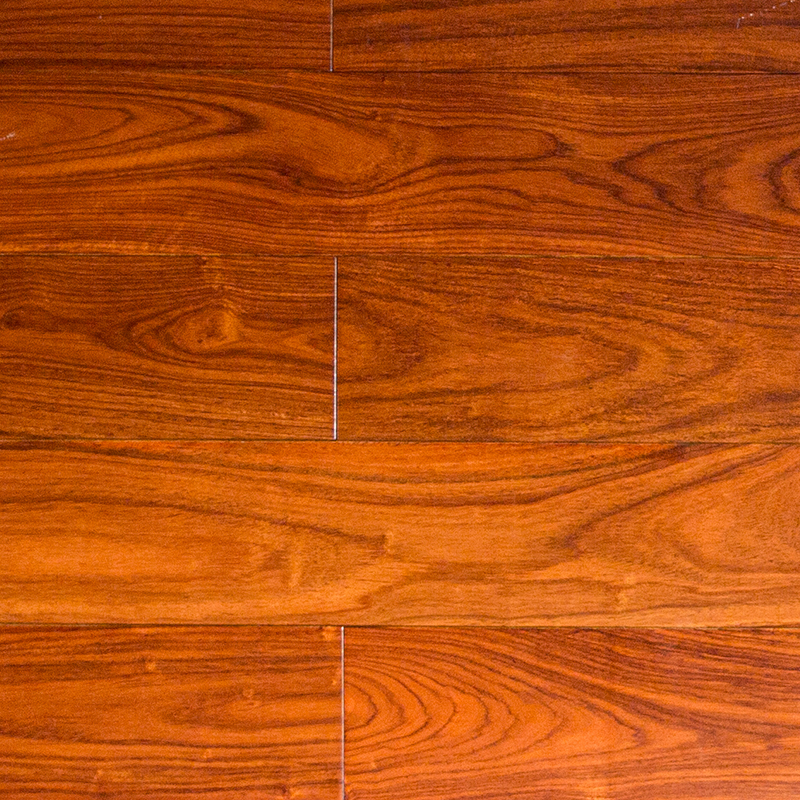
2,820 — Exceptionally hard, rich reddish-brown tone, ideal for high-impact zones |
| Hickory / Pecan |
1,820 — The hardest domestic species, prominent grain variation, superb for active spaces |
| Hard Maple |
1,450 — Dense, light cream color, excellent shock resistance, frequently used in gymnasiums |
| White Oak |
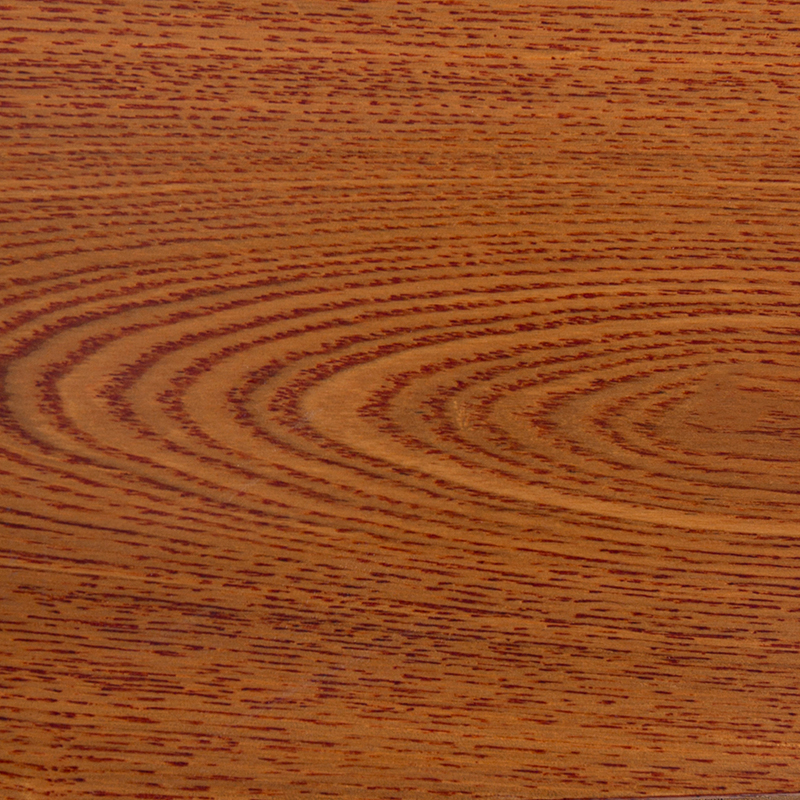
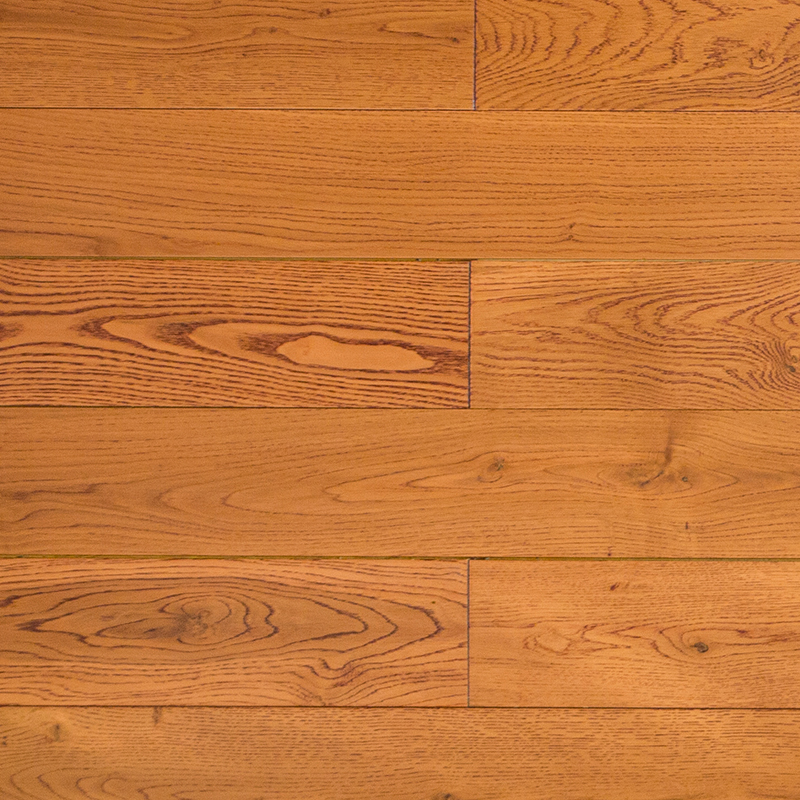
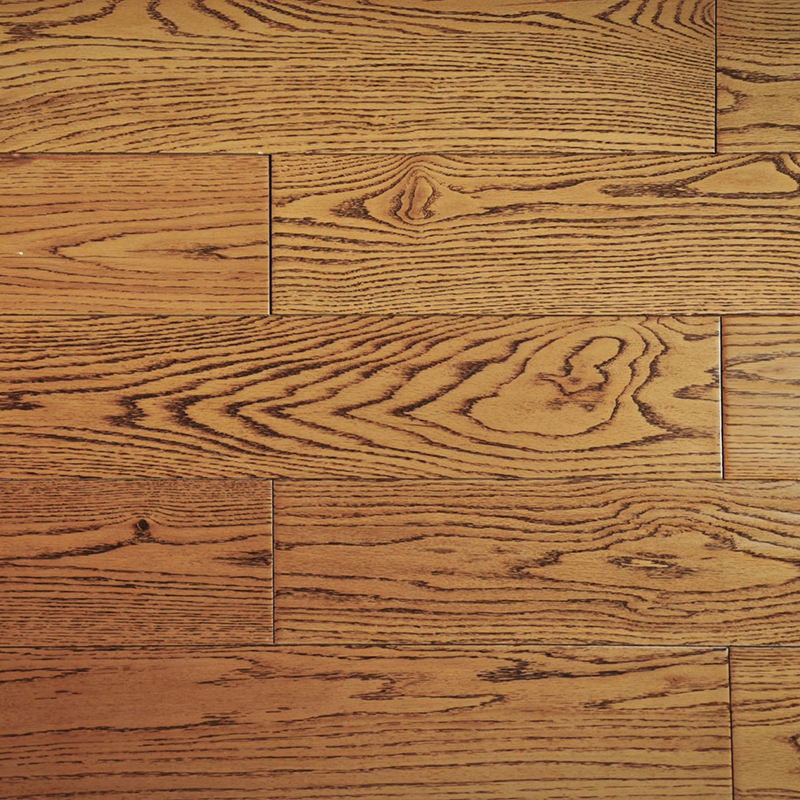
1,360 — Classic and versatile, excellent stability, distinctive ray fleck pattern |
| Red Oak |
1,290 — The most widely used species, warm pinkish-brown hue, good workability |
| Black Walnut |
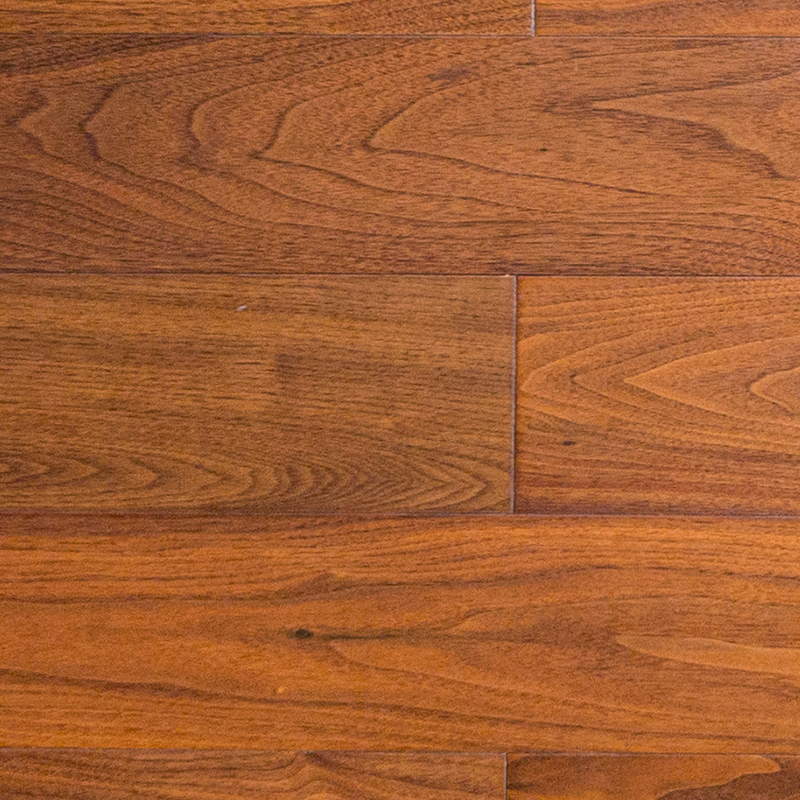
1,010 — Softer but stunningly rich, chocolate-brown color, excellent dimensional stability |
Appearance Grades Explained
Hardwood grading focuses purely on visual characteristics, not structural performance. All grades are equally durable and structurally sound. The main grades include:
- Clear Grade: Minimal color variation, virtually no knots or blemishes. Offers the most uniform and refined look.
- Select Grade: Slightly wider color range, may include minor natural features. A balanced choice for classic aesthetics.
- #1 Common Grade: Embraces natural character with visible knots, mineral streaks, and color variation. Perfect for rustic or farmhouse styles.
- #2 Common Grade: More pronounced natural markings, larger knots, and greater color diversity. Offers the most economical price point with maximum character.
Where to Install Solid Hardwood Flooring
Ideal Residential Spaces
Solid hardwood excels in most above-grade residential areas. It is particularly well-suited for:
- Living and Family Rooms — Where natural warmth and elegance create a welcoming atmosphere.
- Dining Rooms — Providing a durable, beautiful surface for daily meals and formal entertaining.
- Bedrooms — Adding comfort, quiet, and a sense of luxury underfoot.
- Hallways and Staircases — Withstanding constant foot traffic while enhancing the flow of the home.
Solid hardwood is not recommended for basements, bathrooms, or laundry rooms. These environments experience excessive moisture and humidity fluctuations, which can cause solid planks to warp, cup, or gap. For these areas, engineered wood or tile is a more suitable alternative.
Commercial and Light-Industrial Settings
Solid hardwood is increasingly specified for commercial interiors that require both sophistication and resilience. Appropriate applications include:
- Boutique Retail Stores — Creating an inviting, premium shopping experience.
- Corporate Offices and Executive Suites — Conveying professionalism and quality.
- Hotel Lobbies and Conference Centers — Withstanding rolling luggage and high visitor volumes.
For commercial projects, thicker solid planks (≥15 mm) paired with high-performance commercial-grade finishes are strongly advised to maximize longevity.
Understanding the manufacturing journey helps buyers appreciate the engineering and craftsmanship behind each plank. The process transforms raw logs into precision-milled, kiln-dried flooring ready for installation.
Log Selection → Cutting & Milling → Kiln Drying → Grading
↓
Tongue & Groove → Surface Finishing → QC Inspection → Packaging
Raw Material Selection and Cutting
Quality begins with the tree. Logs are selected based on species, grain straightness, and minimal natural defects. The cutting method determines the plank's appearance and stability:
- Plain Sawn: The most common method, producing cathedral grain patterns with high yield.
- Quarter Sawn: Produces vertical grain lines, greater stability, and a unique flake pattern (especially in oak).
- Rift Sawn: Offers the straightest grain and highest dimensional stability, though with lower yield and higher cost.
Precision Kiln Drying
Kiln drying is the most critical quality control stage. Lumber is slowly dried in controlled kilns to achieve a uniform moisture content of 8% ± 2%. This specific range matches most indoor environments, preventing the wood from shrinking, swelling, or warping after installation. The process typically takes 30 to 60 days, depending on the species and thickness.
Milling, Tongue & Groove, and Finishing
After drying, planks are precision-milled to exact thicknesses and widths. The tongue and groove system ensures a secure, interlocking fit. Planks are then either:
- Pre-finished — Factory-coated with durable aluminum oxide or polyurethane finishes, ensuring consistent application and immediate use post-installation.
- Unfinished — Delivered raw, allowing on-site sanding and custom staining to match specific design requirements.
Installation Methods and Maintenance Schedule
Installation Approaches
Solid hardwood can be installed using three primary techniques, each suited to different subfloor types and project requirements:
- Nail-Down (Staple-Down): The traditional and most common method. Planks are mechanically fastened to a wood subfloor using cleats or staples. Ideal for residential installations over plywood.
- Glue-Down: The planks are adhered directly to the subfloor using heavy-duty urethane adhesives. This method is preferred for concrete subfloors (with a proper moisture barrier) and commercial projects.
- Floating: Though less common for solid wood, some engineered solid profiles allow for a floating installation over an underlayment. This method is typically reserved for specific product lines.
Routine Care and Refinishing Cycle
Solid hardwood requires minimal daily care but benefits from periodic professional refinishing. Routine maintenance involves:
- Sweeping or vacuuming with a soft brush attachment to remove abrasive grit.
- Using a slightly damp mop with a wood-safe cleaner—never saturating the surface.
- Avoiding steam mops, harsh detergents, and wax-based products that can dull the finish.
Refinishing is typically recommended every 7 to 10 years for moderately trafficked floors. Telltale signs that refinishing is due include visible wear patterns, faded finish, scratches that penetrate the clear coat, or water absorbing quickly into the wood. With a full ¾-inch thickness, solid hardwood can be professionally sanded and refinished 4 to 6 times, effectively renewing the floor for decades.
Frequently Asked Questions
How long does solid hardwood flooring actually last?
With proper installation and care, solid hardwood floors routinely last 80 to 100+ years. Many historic buildings still feature their original solid wood floors, which have been refinished numerous times. This longevity far exceeds that of carpet (10–15 years) or laminate (15–25 years).
Can I install solid hardwood in my basement?
No, solid hardwood should never be installed below grade. Basements are prone to moisture intrusion and temperature fluctuations that can cause solid wood to cup, warp, or develop mold. Engineered wood or luxury vinyl are better options for basements.
What is the difference between prefinished and unfinished solid hardwood?
Prefinished planks arrive with a factory-applied coating (often aluminum oxide) and are ready to walk on immediately after installation. Unfinished planks require on-site sanding, staining, and sealing, which allows for custom color matching and a completely seamless floor without beveled edges.
How many times can I refinish solid hardwood?
Typically 4 to 6 times, depending on the plank thickness and the amount of material above the tongue. Each refinishing removes about 1/32 inch (1 mm) of surface wood, so thicker planks offer more refinishing opportunities.
Is solid hardwood an environmentally responsible choice?
Yes, when sourced from certified sustainable forests (FSC or PEFC), solid hardwood is a renewable and low-carbon material. Wood stores carbon throughout its life, and at the end of its long service life, it can be repurposed or responsibly discarded, offering a lower environmental footprint compared to petroleum-based flooring alternatives.
Solid Hardwood vs. Engineered Hardwood
While both offer natural wood surfaces, their construction and performance characteristics differ significantly. This comparison highlights the key distinctions to guide your selection.
| Feature |
Solid Hardwood |
| Core Construction |
Single solid piece of timber |
| Average Lifespan |
80 – 100+ years |
| Refinishing Potential |
4 – 6 times (3/4" thickness) |
| Moisture Resistance |
Low — not suitable for basements or bathrooms |
| Subfloor Requirements |
Wood subfloor (or concrete with barrier) |
| Primary Applications |
Above-grade residential and select commercial spaces |



 English
 Español
 عربى
عربى
 Get Free Sample