Wood flooring delivers superior longevity, environmental responsibility (especially with FSC certified options), and timeless aesthetics over materials like carpet, vinyl, or laminate. Real estate data suggests hardwood floors can increase a home’s resale value by up to 5%. With a lifespan that often exceeds 50 years when maintained, and the unique ability to be refinished multiple times, wood flooring consistently outperforms alternatives across lifecycle value, indoor air quality, and sustainability metrics — particularly when sourced from responsible FSC certified wood flooring manufacturers.
1. Superior Durability & Long-Term Value
Unlike carpet which wears or fades within 8–12 years, or laminate that cannot be refinished, genuine wood flooring offers exceptional resilience. Solid hardwood can be sanded and refinished 5 to 10 times, effectively extending its service life beyond 50–100 years. Engineered wood flooring, with its dimensional stability, also resists warping and moisture when properly manufactured. This makes wood flooring a one‑time investment that outperforms vinyl and tile, which may crack or require full replacement.
Additionally, wood flooring handles heavy foot traffic without losing its character; minor scratches can be spot‑repaired or blended naturally. Unlike LVT (luxury vinyl tile) which contributes to landfill waste after 10–20 years, wood flooring can be reused, recycled, or left to age beautifully.
2. The Sustainability Edge: FSC Certified Wood Flooring
When comparing flooring materials, FSC certified wood flooring ensures that every plank originates from responsibly managed forests that preserve biodiversity, water resources, and local communities. The Forest Stewardship Council (FSC) mandates strict harvesting limits — typically less than 1% of forest area annually — and prohibits conversion of natural forests to plantations. This contrasts sharply with carpet (petroleum‑based) or vinyl flooring (PVC production releases dioxins). Wood itself stores carbon throughout its life, and FSC certification guarantees that for every tree harvested, regeneration or replanting maintains forest cover.
From a manufacturer’s perspective, sourcing FSC‑certified raw materials aligns with circular economy principles. Wood flooring’s carbon footprint is up to 30% lower than ceramic tile and 400% lower than vinyl over a full lifecycle (source: several LCA studies). Choosing FSC certified wood therefore directly supports global climate goals.
3. Healthier Living Environment: Wood vs. Carpet & Vinyl
Hard surface wood flooring significantly improves indoor air quality (IAQ). Unlike carpets, wood does not trap dust mites, pet dander, mold spores, or pollen — common allergens that trigger respiratory issues. The American Lung Association often recommends solid flooring for allergy sufferers. In contrast, synthetic floor coverings such as vinyl or non‑certified laminate may off‑gas volatile organic compounds (VOCs) like formaldehyde. High‑quality wood flooring, especially with natural finishes, maintains near‑zero VOC levels.
Data from indoor environmental studies show that homes with wood flooring have 60% less accumulated allergens compared to wall‑to‑wall carpeting. Moreover, wood flooring is easier to sanitize without harsh chemicals, fostering a cleaner, healthier interior.
4. Timeless Aesthetic & Property Value Appreciation
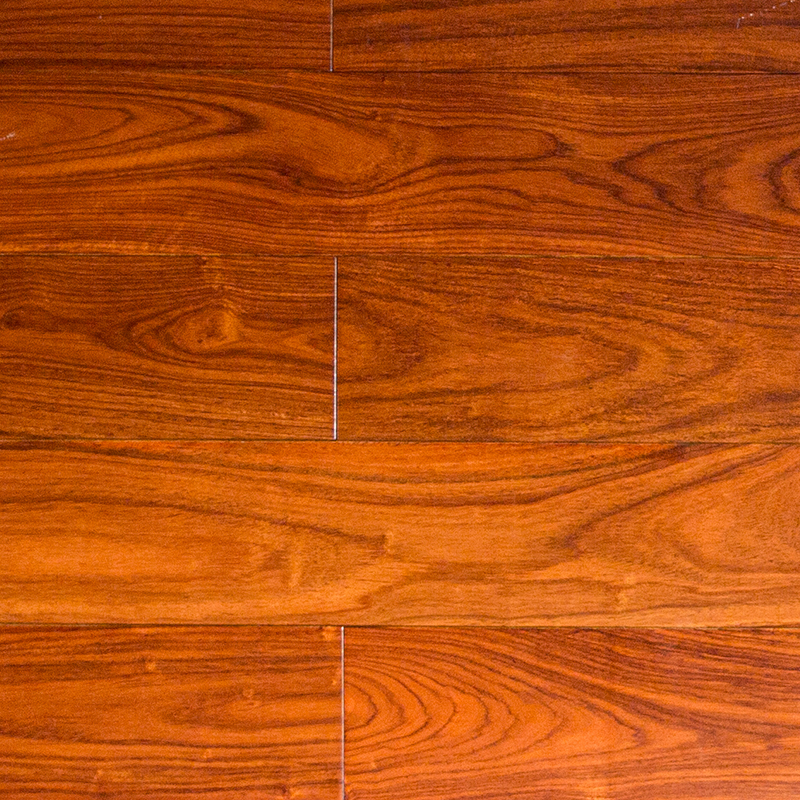
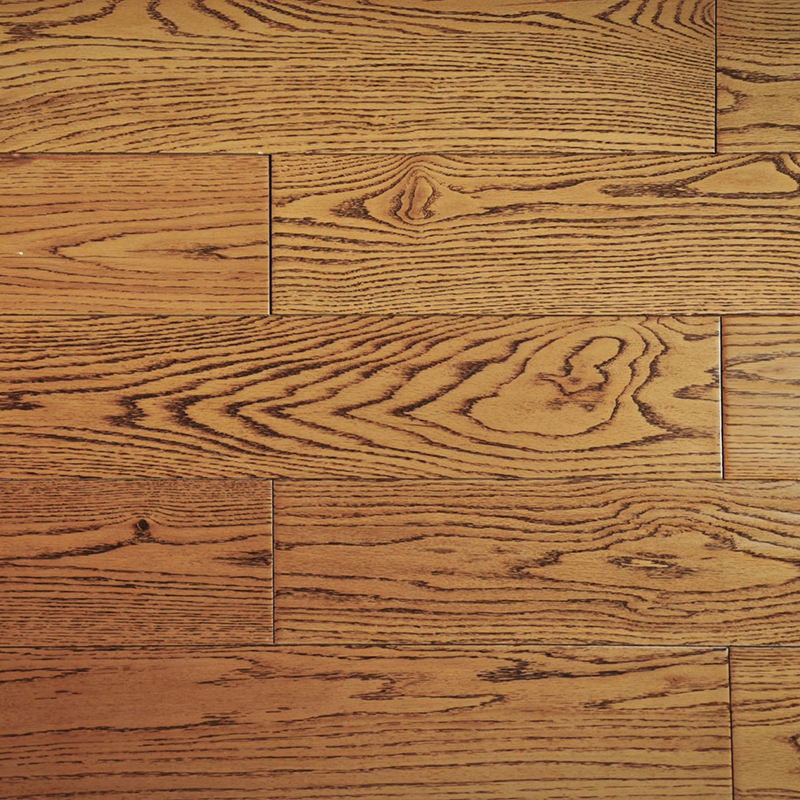
Wood flooring offers unmatched visual warmth, grain variation, and adaptability to any architectural style — from rustic oak to contemporary maple. Competing materials such as ceramic tile (cold feel) or laminate (printed imitation) cannot replicate the natural depth and character of real wood. According to multiple real estate surveys, homes with hardwood flooring sell for 3% to 5% more than those without, and often spend fewer days on the market. Buyers perceive wood flooring as a premium, durable upgrade that reduces future renovation costs.
Furthermore, unlike patterned carpet which becomes dated, wood floors pair seamlessly with changing interior trends through staining or refinishing. This long‑term flexibility ensures a higher return on investment (ROI) compared to any other flooring category.
5. Comparative Table: Wood Flooring vs. Other Flooring Materials
| Feature / Material |
Solid/Engineered Wood |
Carpet |
Laminate |
Vinyl (LVT/Sheet) |
Ceramic Tile |
| Average Lifespan |
40–100+ years (with refinishing) |
5–15 years |
10–25 years (non‑refinishable) |
10–20 years |
30–50 years (grout issues) |
| Refinish / Restore |
Yes, 5–10 times |
No (replacement) |
No |
No |
No (hard to refinish) |
| Eco‑Sustainability |
FSC certified options available; carbon storage |
Petroleum‑based, non‑recyclable often |
Mixed materials, difficult recycling |
PVC, toxic byproducts |
High energy in firing |
| Allergen & VOC |
Low VOC, no allergen trap |
High allergen retention; off‑gassing |
Possible VOC from adhesives |
Phthalates, chemical emissions |
Moderate (grout collects dirt) |
| Maintenance & Repair |
Sand/refinish, spot repair |
Deep clean or replace |
Edge swelling if wet |
Scratches permanent |
Cracked tile full replacement |
Wood flooring clearly leads in longevity, repairability, and sustainable options — especially when FSC certified flooring is chosen from responsible wood flooring manufacturers.
6. Key Aspects When Evaluating a Wood Flooring Manufacturer
For architects, builders, and homeowners aiming to leverage wood flooring advantages, selecting a high‑integrity manufacturer is essential. A reputable wood flooring manufacturer prioritizes precise kiln drying (ensuring moisture content 6–9% for stability), uses low‑VOC adhesives (for engineered products), and provides third‑party certifications such as FSC certified wood flooring. Prioritize manufacturers that disclose chain‑of‑custody documentation, guaranteeing legality and responsible forest sourcing. Leading indicators of quality include:
- Transparent sustainability reports – carbon neutrality, waste reduction programs.
- Multi‑ply core construction (engineered wood) for dimensional stability in humid climates.
- Thicker wear layers (≥3mm solid wood top) that allow multiple refinishing cycles.
- FSC certification label – ensures compliance with global ecological and social standards.
By partnering with such manufacturers, consumers gain full lifecycle performance and reduce environmental harm.
7. Decision Flow: Why Wood Flooring Outperforms Others
- Durability
30–100+ year life
- FSC Certified
Responsible forestry
- Healthy IAQ
No allergen trap
- Resale Value
Up to +5% ROI
- Circular Economy
Biodegradable
This visual flow illustrates the multi‑dimensional superiority of wood flooring compared to synthetic or textile alternatives, especially when FSC certified options are selected.
8. Frequently Asked Questions (FAQ)
What makes wood flooring more sustainable than other materials?
Wood is a natural, renewable resource. When sourced from FSC certified forests, it guarantees responsible regeneration, lower carbon footprint, and minimized waste. In contrast, vinyl and carpet rely heavily on fossil fuels and are rarely recyclable.
How does wood flooring improve indoor air quality compared to carpet?
Wood floors have no fibers to trap dust, pollen, or pet dander. Routine sweeping or mopping removes allergens effectively, unlike carpets which accumulate pollutants even with vacuuming. Many wood finishes also emit very low VOCs, supporting healthier breathing.
Can I install wood flooring in moisture-prone areas?
While solid wood is not recommended for basements or bathrooms, engineered wood flooring with stable core construction can handle moderate moisture (e.g., kitchens, entryways). Always follow manufacturer guidelines and maintain relative humidity between 35–55%.
What is FSC certified wood flooring, and why should I choose it?
FSC (Forest Stewardship Council) certification ensures that the wood is harvested from forests that are ecologically sound, socially beneficial, and economically viable. Choosing FSC certified floors combats deforestation, protects wildlife habitats, and supports ethical supply chains — a key advantage over non‑certified timber or synthetic floors.
How do I know if a wood flooring manufacturer is reliable?
Look for documented FSC chain‑of‑custody, clear warranties, transparent moisture control processes, and independent lab test results for durability (Janka hardness rating). Reliable manufacturers will also provide technical guidance for installation and maintenance.
Does wood flooring really increase home value?
Yes. Multiple real estate analyses confirm that homes with wood flooring sell for 3–5% higher compared to similar homes with carpet or laminate. Wood is perceived as a premium, low‑maintenance flooring that appeals strongly to buyers.



 English
 Español
 عربى
عربى
 Get Free Sample