Direct Answer: Wood Flooring Offers Superior Long-Term Value for Living Spaces
For homeowners prioritizing long-term value, timeless aesthetics, and the potential to increase property worth, wood flooring consistently outperforms tile in living rooms, bedrooms, and dens. While tile excels in moisture-prone areas like bathrooms and kitchens, its hard, cold surface and challenging replacement process make it less desirable for primary living spaces. Wood flooring, particularly when sourced from responsible manufacturers, offers a warmth and character that can be refinished multiple times over a century, effectively resetting its lifespan and appearance.
This guide will compare these two popular options across key dimensions—durability, comfort, maintenance, and sustainability—to help you make the best choice for your home. We will also explore the importance of FSC certified wood flooring as a responsible and increasingly available choice for the eco-conscious homeowner.
Lifespan and Durability: A Tale of Two Materials
Both materials are built to last, but their definitions of "durability" differ significantly. Tile is renowned for its hardness and scratch resistance, making it a formidable choice for high-traffic zones. However, this toughness comes with a caveat.
The Case for Wood Flooring
The true value of a wood floor lies in its ability to be renewed. While a tile floor that cracks, chips, or fades in color requires costly and disruptive replacement, a wood floor can be sanded and refinished. According to industry data, properly maintained hardwood floors can last 30 to 100 years. This process can be repeated several times, effectively giving the floor a new life every few decades without the need for a full replacement.
The Reality of Tile Flooring
Tile's durability is its strength and its weakness. It is highly resistant to scratches and moisture, making it ideal for kitchens and bathrooms. However, its hardness makes it uncomfortable to stand on for long periods and can be unforgiving if heavy items are dropped. More importantly, a damaged tile is difficult to replace without affecting the surrounding area, often requiring a full renovation to match colors and grout lines. While the tile itself can last a century, its style may become dated, and repairs are rarely seamless.
Comfort, Aesthetics, and Maintenance
Beyond longevity, the day-to-day experience of your flooring is paramount. Wood flooring offers an inherent warmth—both visual and physical—that tile cannot replicate. This makes it a superior choice for creating inviting living spaces.
- Comfort & Sound: Wood is naturally warmer and quieter underfoot, providing a softer, more forgiving surface. Tile, conversely, feels cold and hard, which can increase noise levels in a room, though area rugs can help mitigate this.
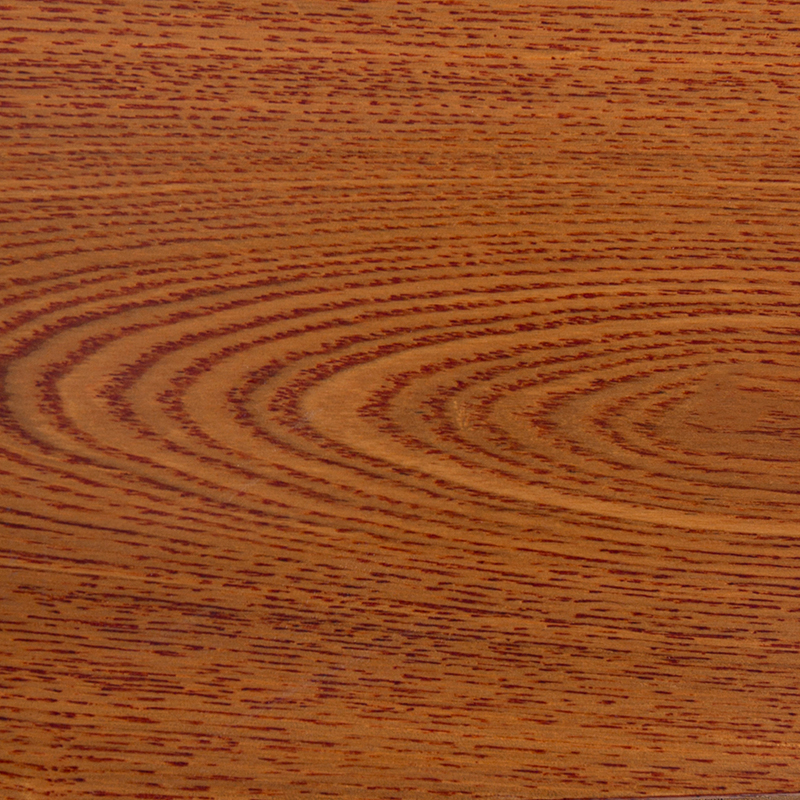
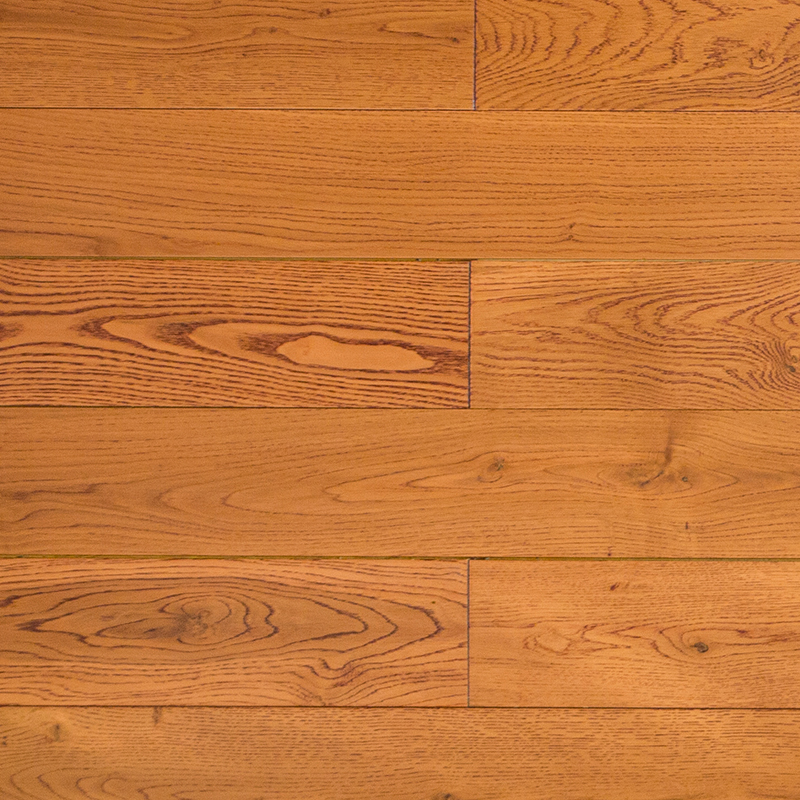
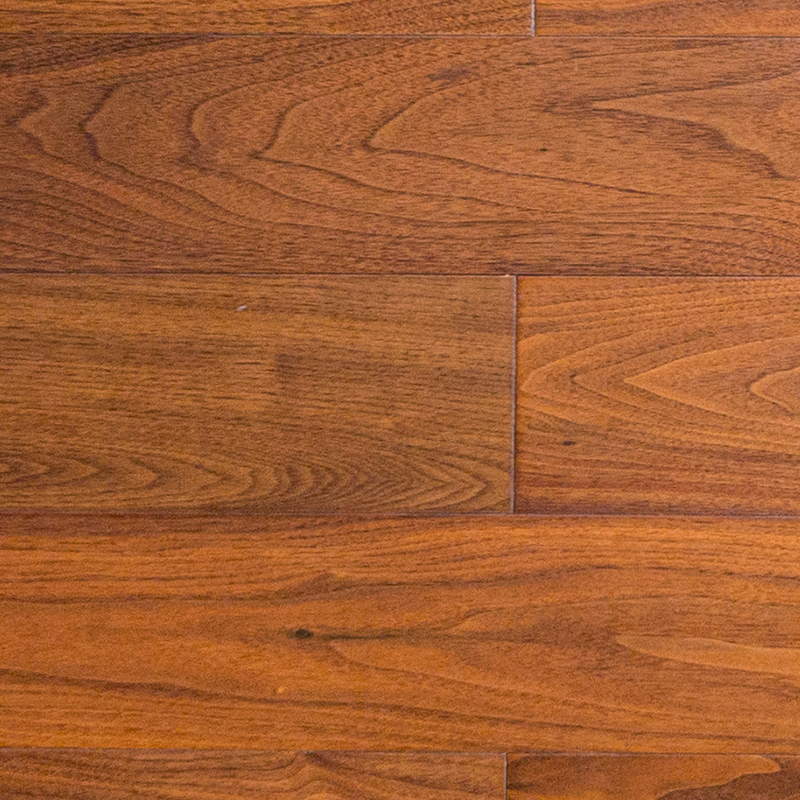
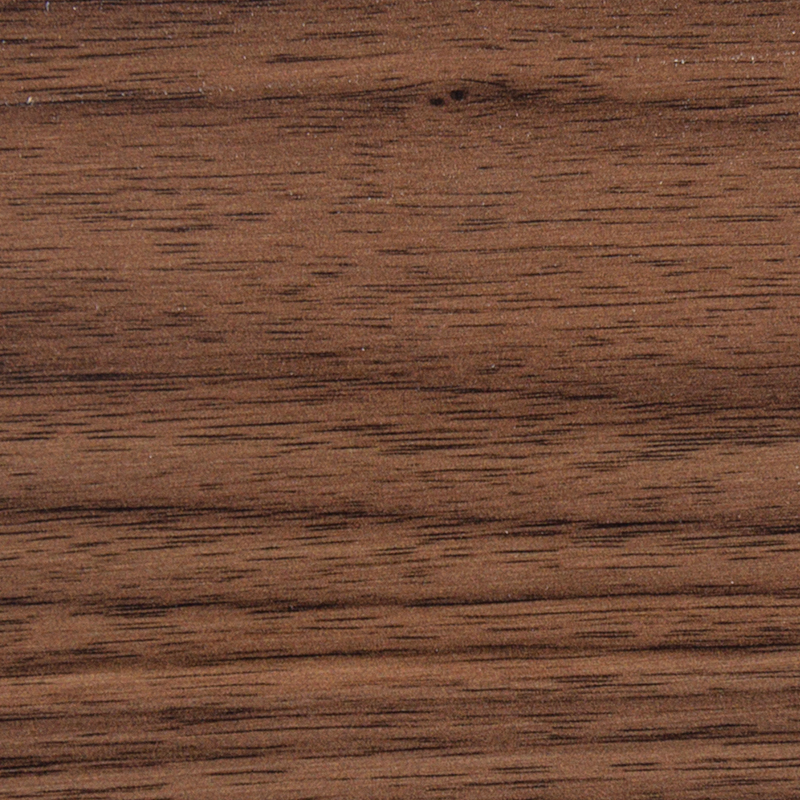
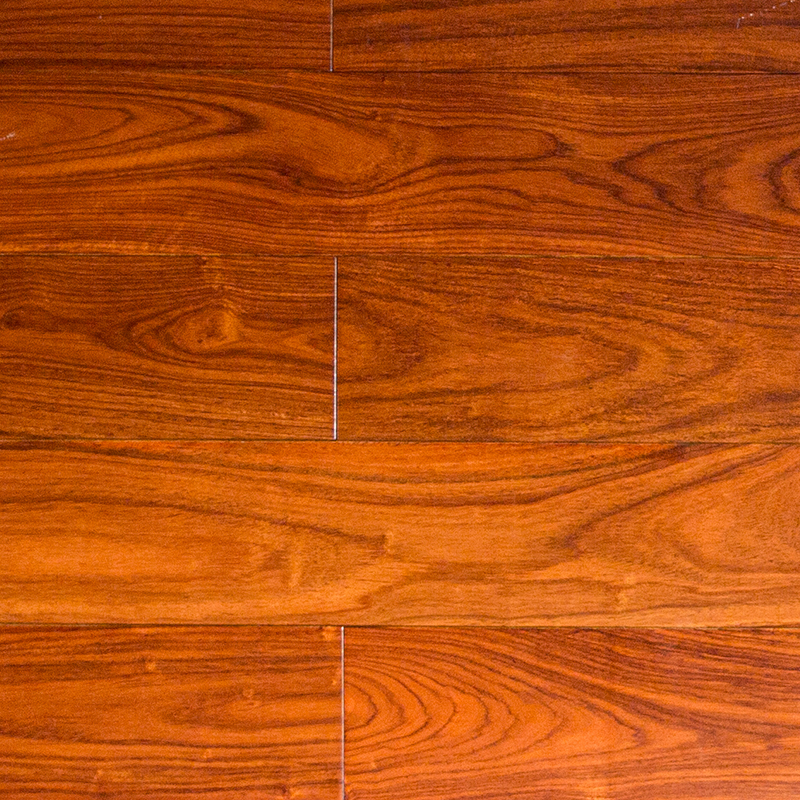
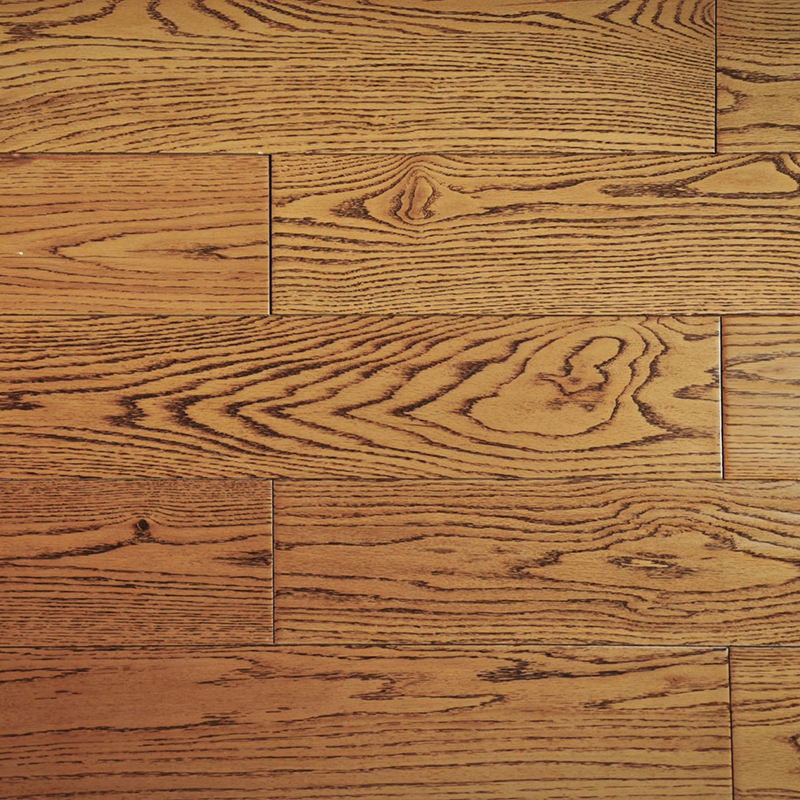
- Aesthetic Appeal: The natural grain and texture of wood offer a timeless elegance that adds value and character to any home. While wood-look tile has improved significantly, it still lacks the authentic depth and organic variation of real wood. Wood flooring also complements a wider range of design styles, from traditional to contemporary.
- Maintenance: While wood requires more careful maintenance—such as using furniture pads and specialized cleaning products—the effort is an investment in its longevity. Tile is easier to clean day-to-day, but the grout lines require periodic, often laborious, scrubbing and may need to be resealed.
Value Comparison: Wood vs. Tile
| Criteria |
Wood Flooring |
Tile Flooring |
| Lifespan |
30–100 years (refinishable) |
50–100 years (non-renewable) |
| Repair & Replacement |
Refinishable – local sanding possible |
Difficult to patch; often full replacement |
| Comfort & Warmth |
Naturally warm, soft, quiet |
Cold, hard, and noisy |
| Aesthetic Value |
Timeless, adds property value |
Can feel dated; trends shift |
| Sustainability |
FSC certified options available |
Energy-intensive to produce |
Wood floors consistently rank higher in homeowner satisfaction surveys for living spaces.
Sustainability & FSC Certified Wood Flooring
For environmentally conscious homeowners, the choice is increasingly clear. FSC certified wood flooring ensures that the wood is harvested from responsibly managed forests that provide environmental, social, and economic benefits. This certification guarantees that your flooring choice supports biodiversity and reduces the carbon footprint compared to tile, which is often energy-intensive to produce and transport.
Leading wood flooring manufacturers now offer extensive FSC-certified collections, making it easier than ever to choose a product that aligns with your values. Additionally, wood is a carbon sink, storing CO₂ throughout its lifetime, whereas tile production releases significant greenhouse gases.
Decision Flow: Which Flooring Fits Your Needs?
Main living area? → Wood (refinishable, warm) → Add value & character
Kitchen / Bathroom? → Tile (waterproof, durable) → Low-maintenance
Eco-conscious? → FSC certified wood → Responsible choice
⬆️ For most homes, wood flooring delivers the best overall value and comfort.
Frequently Asked Questions
Is wood flooring more expensive than tile?
While the upfront cost of solid wood can be higher than tile, its lifespan and refinishing capability make it more cost-effective over 30+ years. Plus, wood adds resale value to your home, often offsetting the initial investment.
Can wood flooring be used in kitchens?
Yes, with proper sealing and care. Engineered wood is especially suitable for kitchens as it handles minor moisture better than solid wood. However, tile remains the top choice for areas prone to standing water.
What does FSC certified wood flooring mean?
It means the wood comes from forests that are responsibly managed according to strict environmental, social, and economic standards. Choosing FSC-certified flooring supports sustainable forestry and helps combat deforestation.
How often does wood flooring need refinishing?
Depending on foot traffic, a wood floor typically needs refinishing every 7–12 years. Each refinishing removes a thin layer of wood and restores the floor to like-new condition, and a solid hardwood floor can be refinished up to 5–7 times.



 English
 Español
 عربى
عربى
 Get Free Sample