


 English
 Español
 عربى
عربى
Oak Brown Yellow Vintage Distressed Solid Wood Flooring
- Solid Wood Core
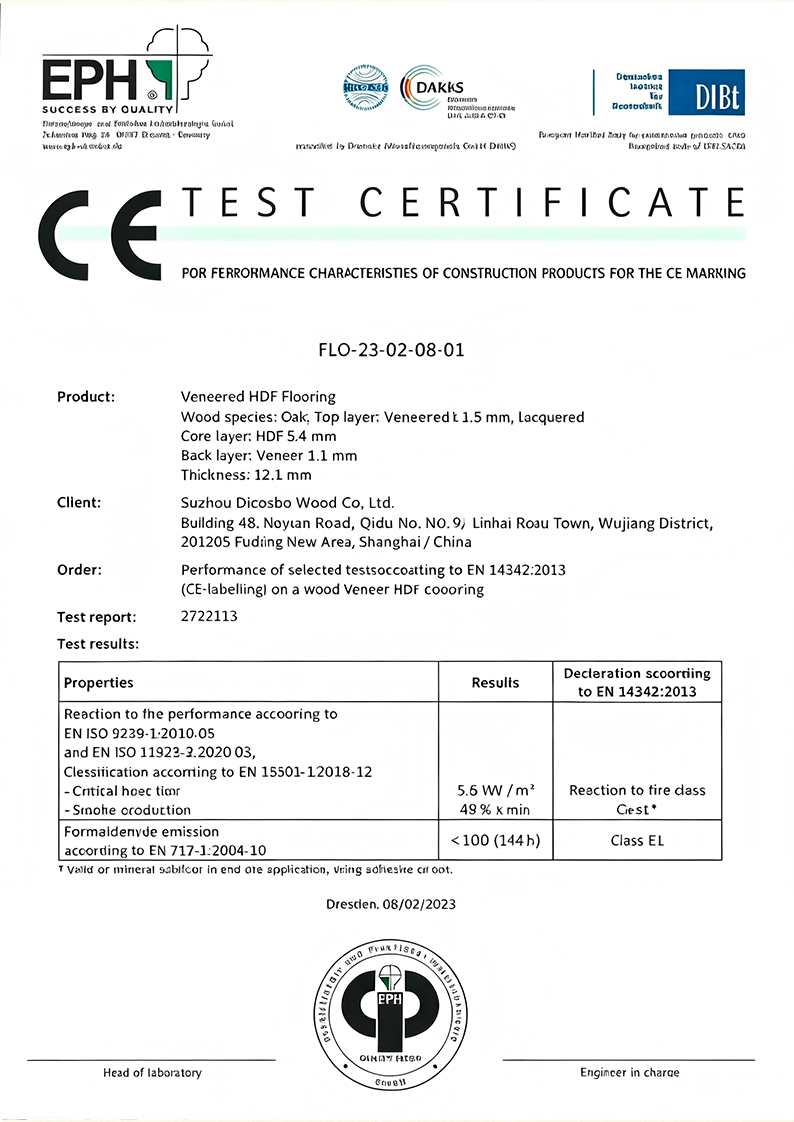
- E0 Environmental Standard
- Tongue-and-Groove Installation
- Underfloor Heating Compatible
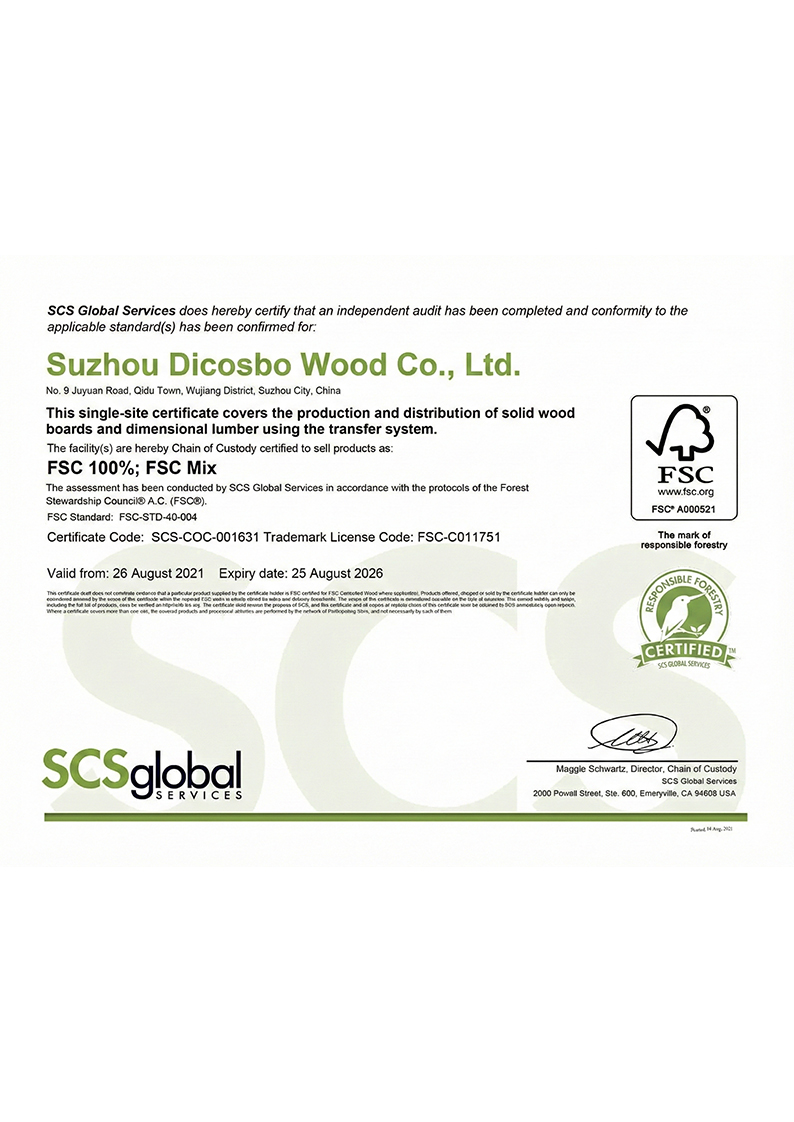
- CE & FSC Certified
- Warm & Comfortable Underfoot
- Customizable
 Get Free Sample

Product coverage: Solid wood, engineered wood, vinyl for diverse markets.
Stable supply chain: 20,000㎡ base + 10+ years’ experience for stability.
Competitive price: Favorable bulk prices for market competitiveness.
OEM/ODM: Logo labeling, custom sizes/finishes for branding.
Logistics & packaging: One-stop moisture-proof packaging + integrated logistics.
On-time delivery: Timely supply even in peak seasons.
Lead time: 15-20 days (regular), expedited service available.
Certification: UL/EN fire + EU E0 environmental certification.
Easy installation: T&G locking system, reducing construction costs.
Bidding support: Favorable project pricing.
Spot supply: Available for urgent orders to avoid delays.
Trendy design: 2026-friendly textures/colors, diverse finishes.
Natural texture: Retain wood grains for space aesthetics.
Sustainability: FSC/LEED certified.
Samples: Premium samples for evaluation/matching.
BIM/CAD models: Downloadable for design convenience.
This category shows 181 products.
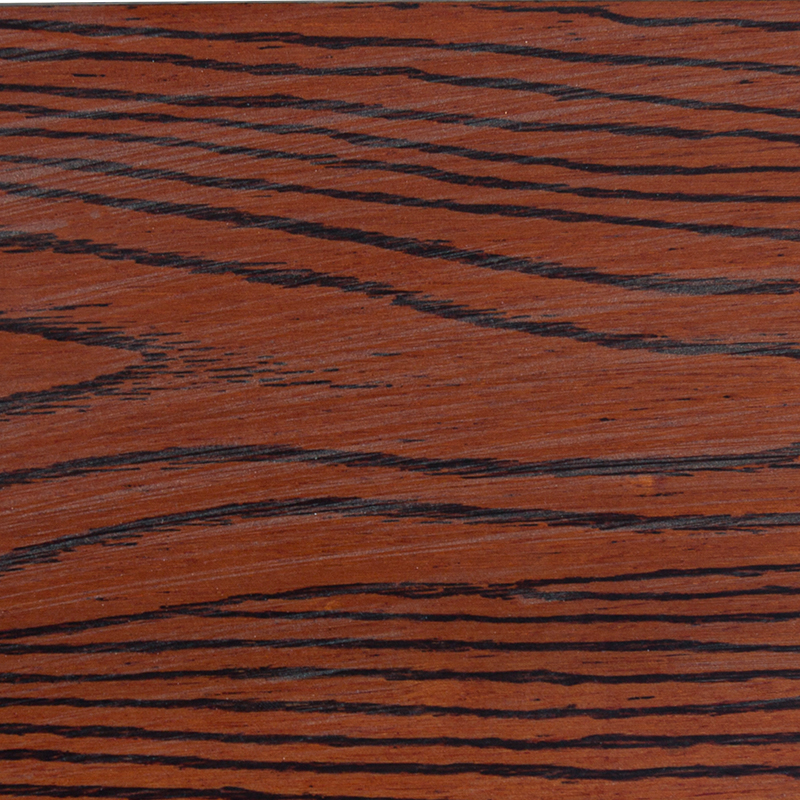
UV Lacquer/UV Oil/Hardwax Oil
T&G
AB Grade (Select)
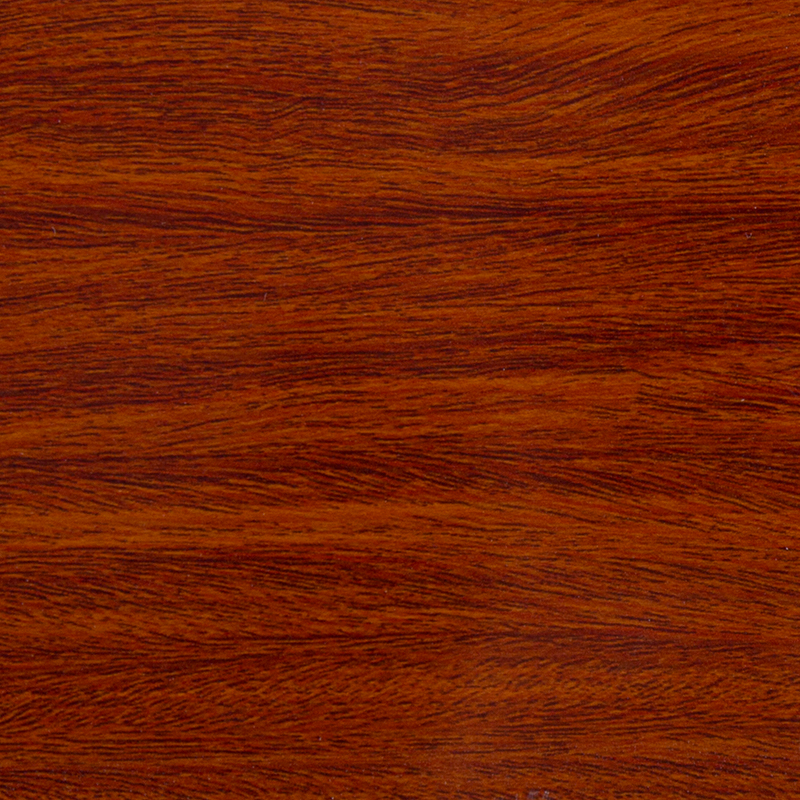
UV Lacquer/UV Oil/Hardwax Oil
T&G
AB Grade (Select)
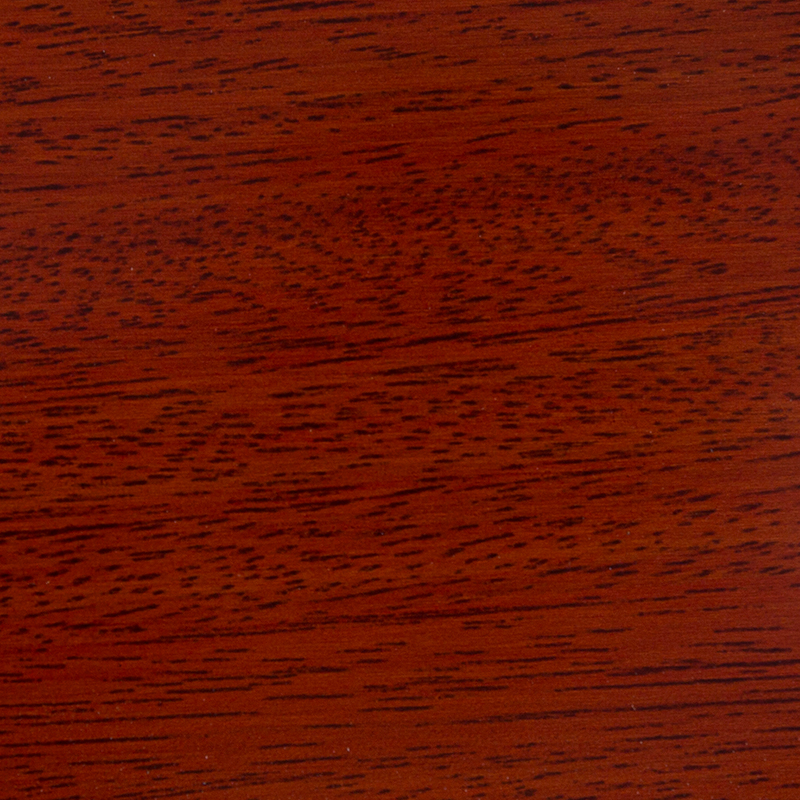
UV Lacquer/UV Oil/Hardwax Oil
T&G
AB Grade (Select)
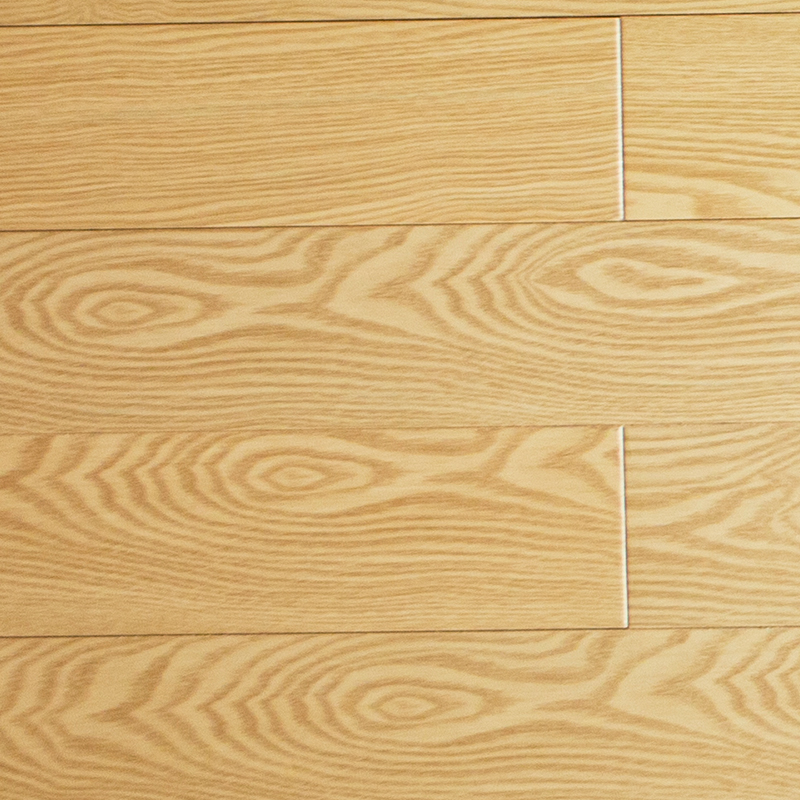
UV Lacquer/UV Oil/Hardwax Oil
T&G
AB Grade (Select)
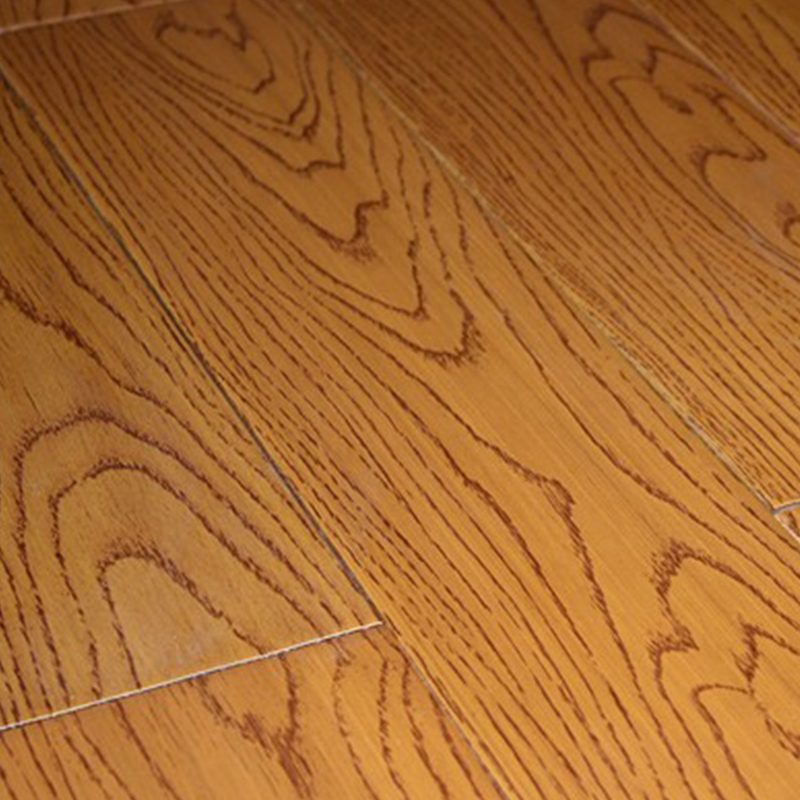
UV Lacquer/UV Oil/Hardwax Oil
T&G
AB Grade (Select)
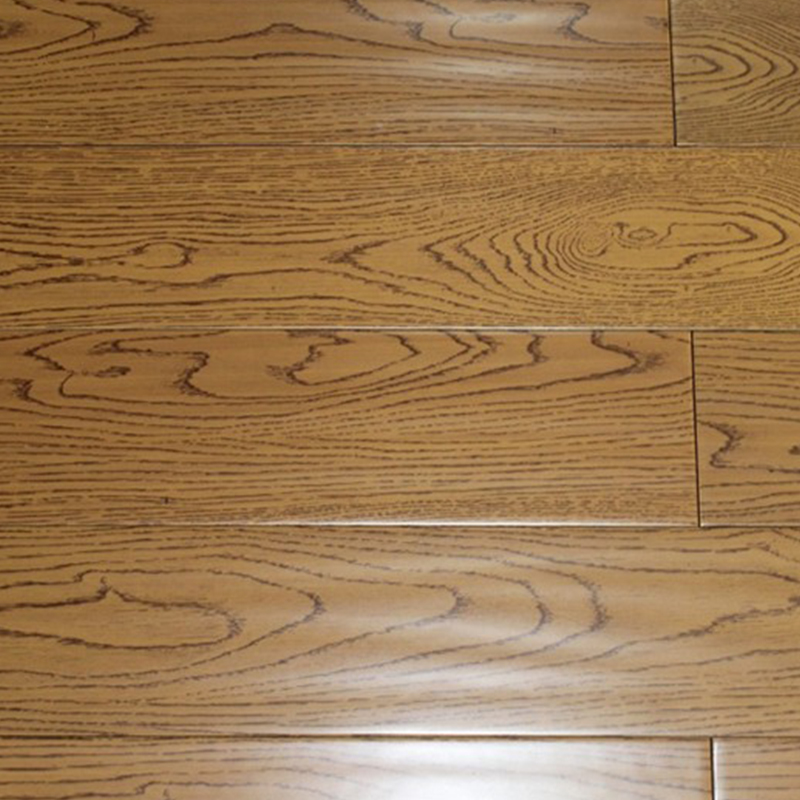
UV Lacquer/UV Oil/Hardwax Oil
T&G
AB Grade (Select)
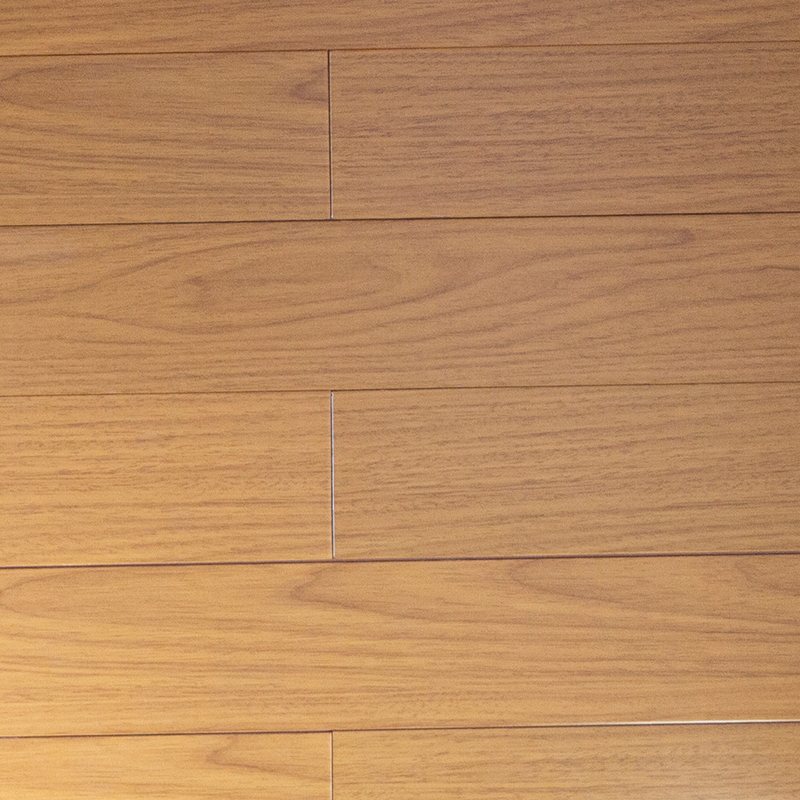
UV Lacquer/UV Oil/Hardwax Oil
T&G
AB Grade (Select)
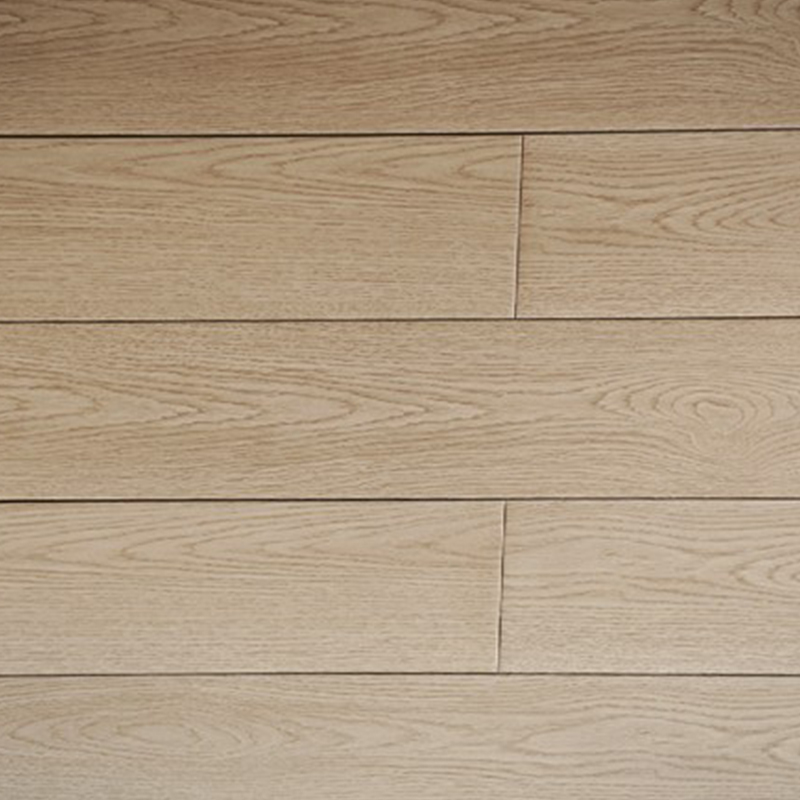
UV Lacquer/UV Oil/Hardwax Oil
T&G
AB Grade (Select)
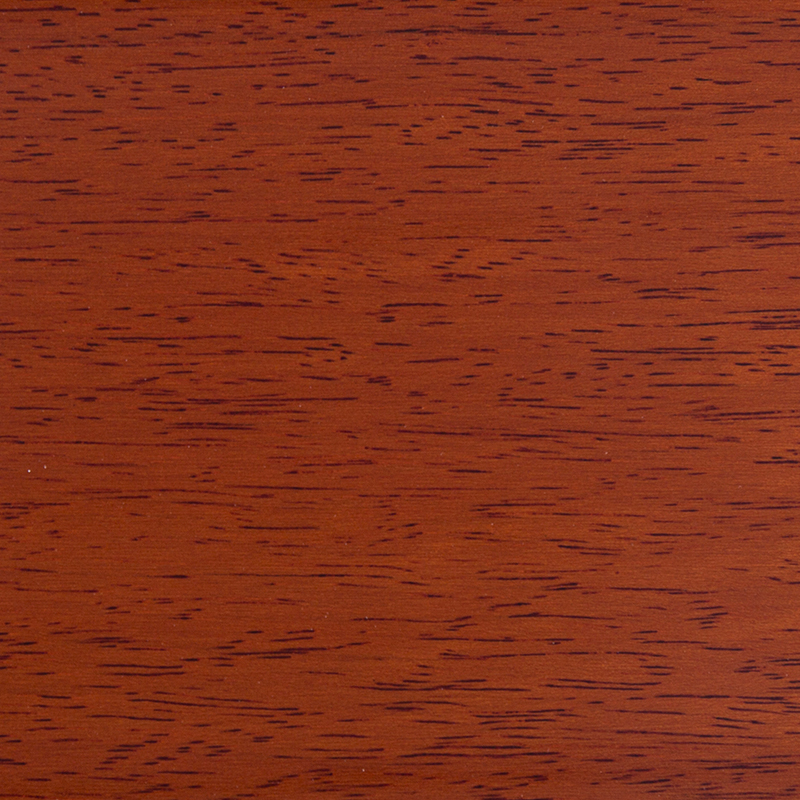
UV Lacquer/UV Oil/Hardwax Oil
Click System
AB Grade (Select)
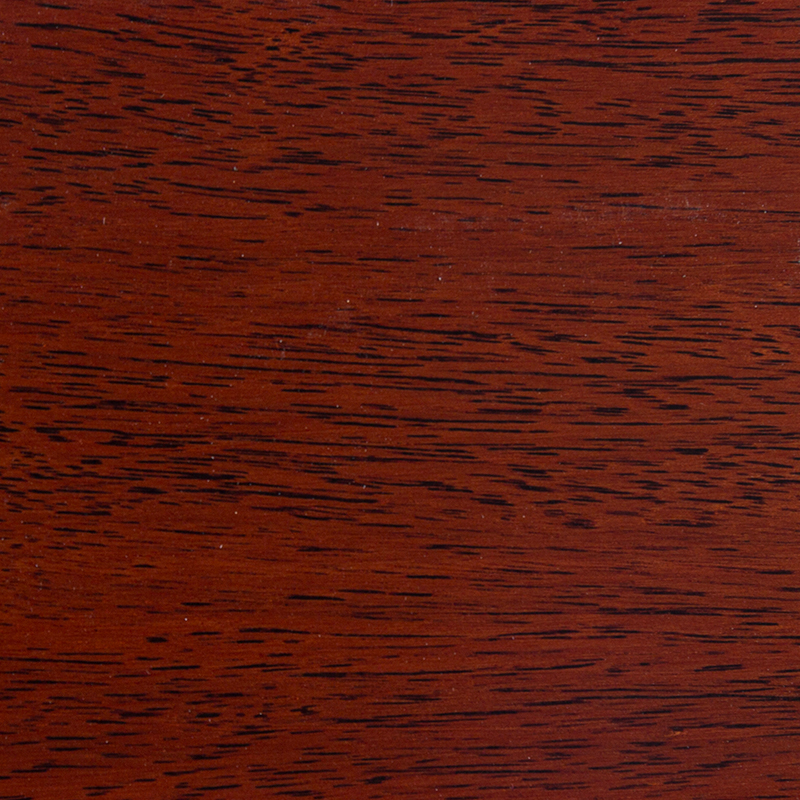
UV Lacquer/UV Oil/Hardwax Oil
Click System
AB Grade (Select)
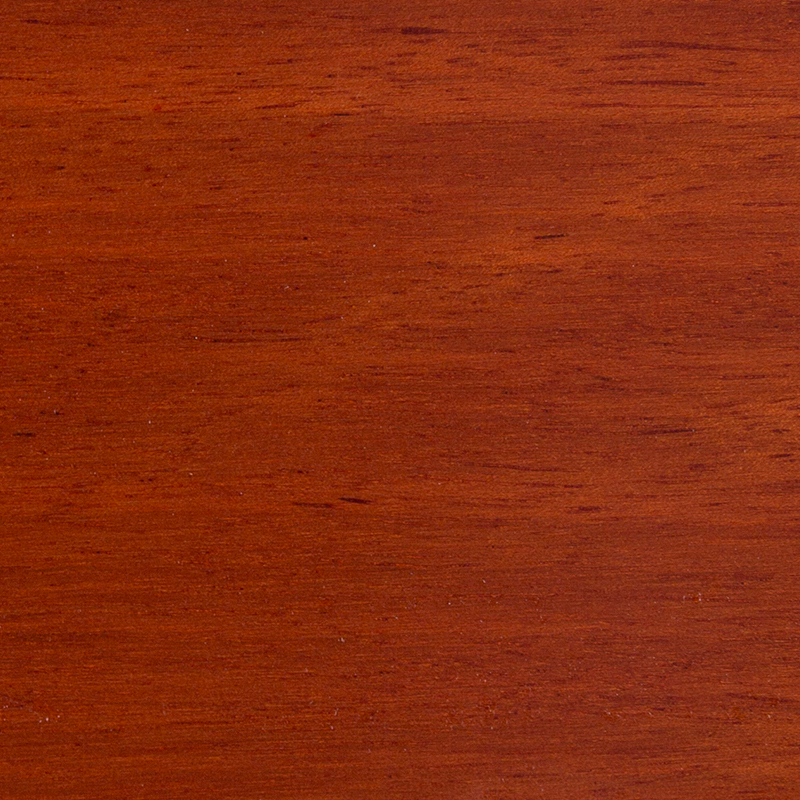
UV Lacquer/UV Oil/Hardwax Oil
Click System
AB Grade (Select)
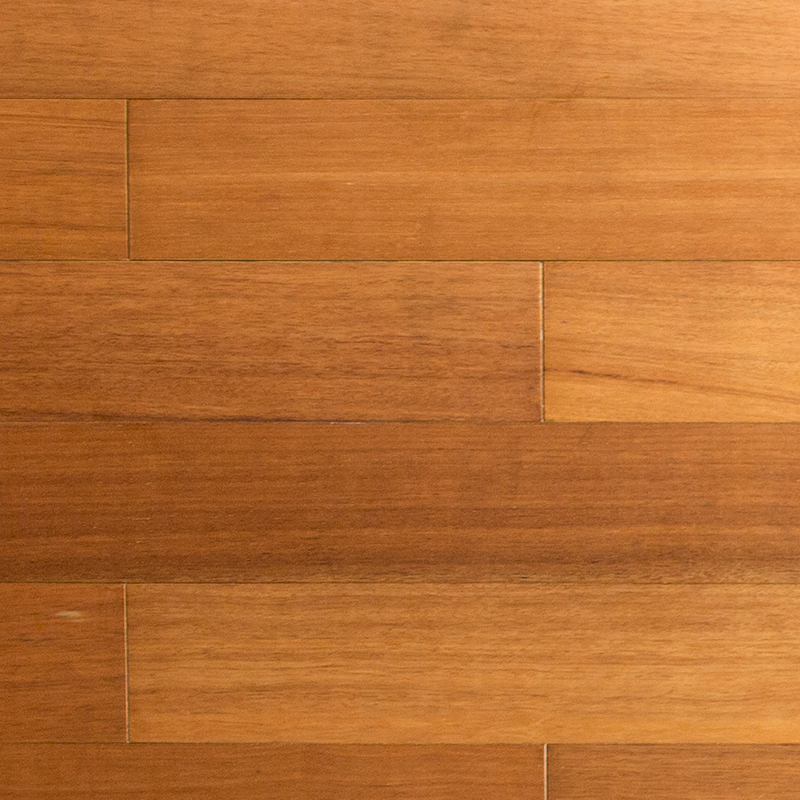
UV Lacquer/UV Oil/Hardwax Oil
Click System
AB Grade (Select)
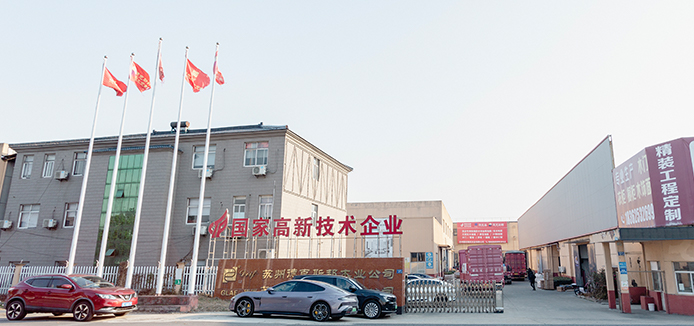
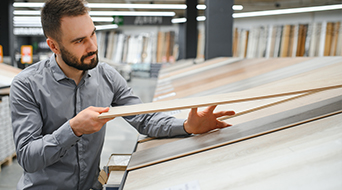
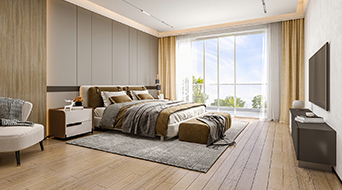
About DEIF

Production Base

R&D Engineers

Global Partners
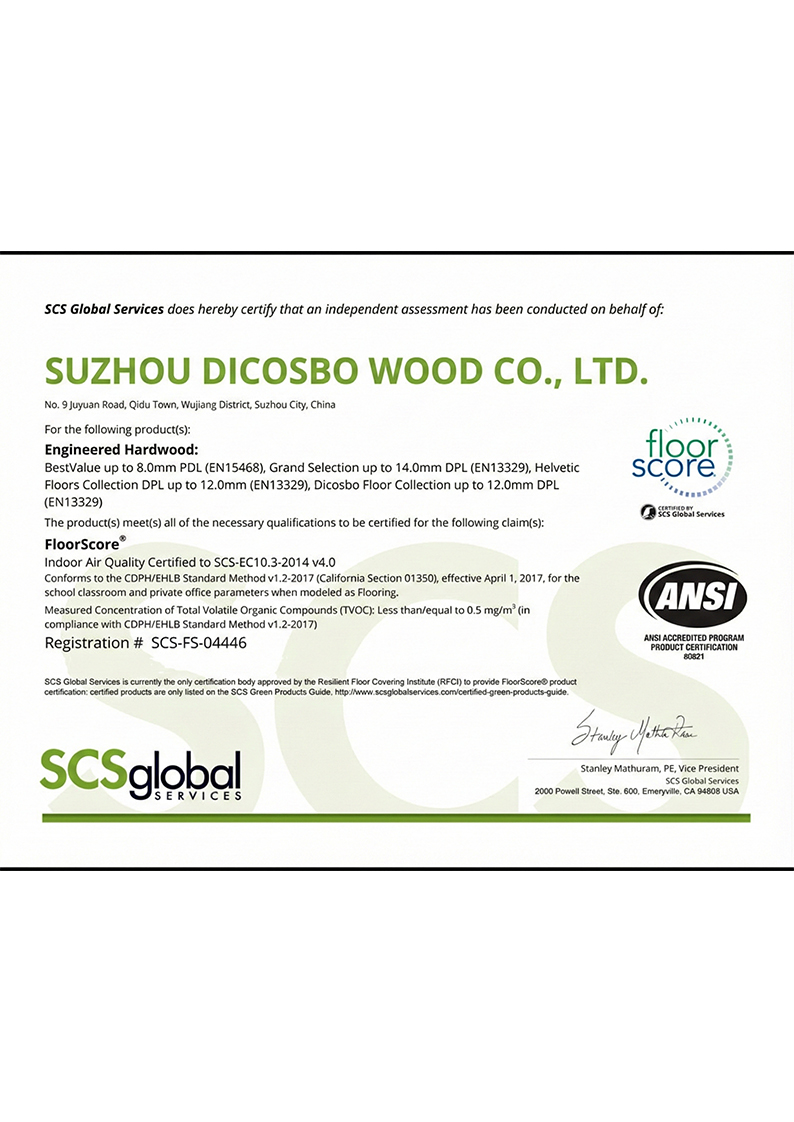
Our products have obtained EU CE safety certification, FSC Forest Stewardship certification, North American CARB P2 environmental certification, and ISO quality system certification (CE/FSC/CARB/ISO Certified).High-definition electronic and paper versions of all certificates are available upon request.Product quality meets the standards of major global markets. You can rest assured about compliance, and our products can be directly exported to many countries and regions around the world.
A manufacturer’s perspective on avoiding damp-zone floor failures and controlling total project cost Many renovation and fit-out projects face unexpected floor failures in damp zon...
View MoreA guest bathroom floor can look perfect for two years, then a hairline gap appears at the threshold and the room starts to smell faintly damp. Many homeowners who replace it disco...
View MoreSuzhou Dicosbo Wood Co,. Ltd. supplies premium 12mm commercial laminate flooring designed to withstand heavy foot traffic in retail shops, offices, hotel lobbies, restaurants and p...
View MoreSelecting the right laminate flooring thickness is one of the most consequential decisions you'll make when planning a home renovation or commercial installation. While 8mm lamin...
View MoreThe foundational decision in any flooring specification is construction type. Solid hardwood flooring solutions are milled from a single piece of timber and offer the deepest refinishing potential — typically three to five full sanding cycles over a lifespan that can exceed 50 years with proper maintenance. Their limitation is dimensional sensitivity: solid hardwood expands and contracts measurably with seasonal humidity changes, making it unsuitable for below-grade installations, over radiant heating systems, or in climates with wide annual humidity swings.
Engineered hardwood addresses these constraints through cross-ply core construction. By bonding multiple wood fiber layers with grain directions alternating at 90°, dimensional movement is countered at the structural level. High-quality engineered floors can be installed in environments ranging from 35% to 75% relative humidity without exceeding manufacturer-specified gap tolerances — a range that covers most residential and commercial HVAC-conditioned spaces globally. The wear layer thickness (typically 2–6mm) determines how many refinishing cycles are available and, consequently, the floor's total service life.
For project specifiers and procurement teams, the construction decision should be driven by subfloor type, installation level, climate conditions, and expected traffic intensity — not aesthetic preference alone, as both construction types are available across the full range of species, grades and surface finishes.
FSC certified wood flooring carries chain-of-custody documentation that traces the timber from forest origin through each stage of processing to the finished product. The Forest Stewardship Council's certification framework covers two primary concerns: that the forest of origin is managed to maintain ecological function and biodiversity, and that labor and community rights along the supply chain meet defined social standards. For buyers operating under green building rating systems — LEED, BREEAM, or WELL — FSC certification typically contributes credits in the materials and resources categories.
Beyond certification, responsible sourcing involves species selection. Certain high-demand tropical hardwoods — including some marketed under commercial trade names that obscure their botanical identity — are subject to CITES trade restrictions or national export controls. Buyers should request both the botanical species name and the country of harvest origin, not just the commercial trade name, when evaluating timber sourcing for regulated markets including the EU (EUTR/EUDR), the US (Lacey Act) and the UK (UKTR).
DEIF supports buyers navigating these requirements by providing full species and origin documentation alongside FSC chain-of-custody records, reducing the compliance burden for importers and project developers working across multiple regulatory jurisdictions.
Selecting wooden floor coverings solutions for homes involves balancing aesthetic intent with practical performance requirements that vary room by room. Living areas and bedrooms prioritize comfort underfoot, acoustic dampening and visual warmth — properties well served by wider plank formats (120mm and above) in brushed or oiled finishes that age gracefully and tolerate minor surface wear without requiring immediate refinishing.
Kitchens and entryways demand greater resistance to moisture ingress and point loading from furniture legs and foot traffic. For these zones, harder species (Janka hardness above 1,200 lbf) with UV-cured polyurethane surface coatings provide more practical performance than softer species or penetrating oil finishes, despite the latter's aesthetic appeal. Where underfloor heating is installed, engineered construction with a stable core rated for heating use is essential — and the manufacturer's installation guidelines on maximum surface temperature (typically 27°C) should be observed to prevent finish degradation.
Acoustic performance is increasingly a specification requirement in multi-storey residential construction, with many markets mandating minimum impact sound insulation values (Lw or ΔLw ratings) for floor assemblies. The flooring product itself contributes to the assembly performance, but underlayment selection and subfloor construction are equally important variables — specifiers should request assembly test data rather than product-only acoustic ratings.
Large-scale installations — hotel fit-outs, commercial office campuses, multi-building residential developments — place demands on wood flooring supply that go beyond standard product availability. Batch consistency is the primary technical concern: flooring installed across different production batches may show variation in color, grain character or plank dimension that becomes visible once laid in the same continuous space. For projects spanning multiple phases or installation windows, this requires either holding matched inventory or working with a manufacturer capable of producing from a reserved raw material allocation.
Lead time management is equally critical. Standard engineered flooring products from stock typically carry 2–4 week delivery windows; custom species, dimensions or finishes require 8–14 weeks from order confirmation, depending on production scheduling and drying time requirements. For project wood flooring solutions, confirming these timelines early — ideally at the design development stage rather than after contractor appointment — prevents the downstream schedule compression that forces specification changes or costly air freight.
Waste allowance calculation is a practical supply consideration that is frequently underestimated. Standard installation waste factors range from 5% for straight-lay patterns to 15% or above for diagonal or herringbone layouts, with additional allowance required for rooms with complex geometry. Ordering to a precise net area figure without adequate waste allowance creates the risk of batch shortfalls that may be impossible to match in later production runs. With comprehensive manufacturing and project coordination capabilities, DEIF structures supply agreements for large projects to address batch reservation, phased delivery scheduling and waste factor guidance as standard components of the procurement process.
Certification is a necessary but not sufficient measure of sustainability in sustainable wood flooring. A more complete evaluation considers the full product lifecycle: embodied carbon in raw material processing and manufacturing, the carbon storage function of wood products in use, refinishing and repair potential that extends service life, and end-of-life options including reclamation, downcycling or responsible disposal.
Wood is one of the few construction materials that functions as a carbon store during its service life — a cubic meter of dry hardwood contains approximately 250kg of stored carbon. Products designed for long service life through refinishable surfaces and repairable construction therefore provide greater net environmental benefit than short-lifecycle alternatives, even if the latter carry lower upfront manufacturing emissions. This lifecycle perspective is increasingly reflected in green building assessment methodologies, which are moving toward whole-life carbon accounting rather than upfront embodied carbon metrics alone.
Adhesive and finish chemistry is a further sustainability variable that affects both environmental impact and indoor air quality. Low-VOC and formaldehyde-free adhesive systems are now widely available and should be specified as a baseline requirement for occupied interior spaces. Wood flooring products compliant with E0 or E1 formaldehyde emission standards (EN 717-1) and carrying CARB Phase 2 certification meet the most stringent international requirements for indoor air quality and are suitable for use in health-sensitive environments including schools, healthcare facilities and residential spaces with vulnerable occupants.

We provide customers with sustainable and eco-friendly
engineered wood solutions and services.
Choose DEIF for the perfect blend of
performance and aesthetics.
