Homeowners comparing hardwood species often narrow their search to two contenders: ash and white oak. Both are ring-porous domestic hardwoods with long histories in furniture and flooring, yet they behave differently underfoot, age differently in sunlight, and carry different price tags depending on regional supply. solid ash wood flooring has gained attention for its pale tone, pronounced grain figure, and respectable hardness rating, making it a practical alternative to the more commonly specified oak.
This comparison focuses on measurable characteristics: hardness scores, grain pattern, moisture behavior, finishing response, and long-term maintenance demands, so the decision can be based on performance rather than marketing language.
Hardness and Structural Performance
Hardness is typically measured using the Janka scale, which records the force required to embed a steel ball into a wood sample. This number correlates with resistance to dents from furniture legs, pet claws, and dropped objects.
Ash Wood
Janka rating near 1320 lbf, offering strong resistance to surface denting in moderate to high traffic areas.
White Oak
Janka rating near 1360 lbf, marginally higher, though the practical difference is rarely noticeable in daily use.
Both species outperform many softer domestic hardwoods, and the gap between them is narrow enough that installation quality, finish hardness, and subfloor preparation influence long-term durability more than the raw Janka number alone.
Grain Character and Visual Appeal
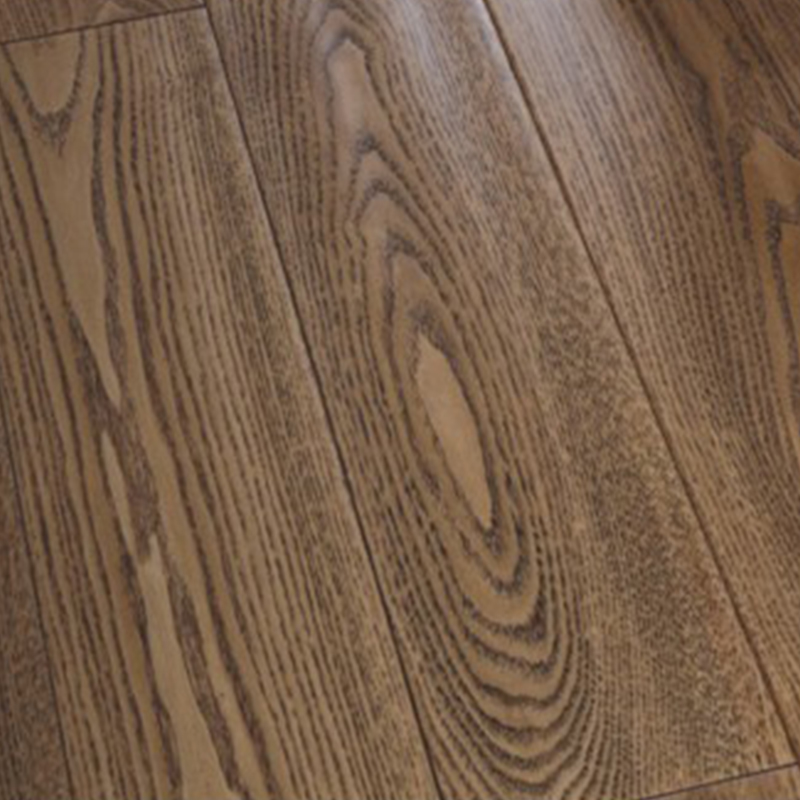
ash wood flooring is known for a straight, open grain with a light, creamy background tone that ranges from pale blond to soft gray-brown. White oak, by contrast, presents tighter grain lines with prominent medullary ray flecks, especially visible in quarter-sawn cuts.
Ash tends to read brighter and more contemporary in a room
White oak often carries warmer undertones suited to traditional interiors
Ash grain lines are generally more linear and less busy
Oak accepts a wider range of stain tones evenly due to tighter pore structure
For interiors aiming for a Scandinavian or minimalist aesthetic, the lighter base tone of natural ash hardwood flooring often requires less bleaching or color correction than oak to achieve a pale finish.
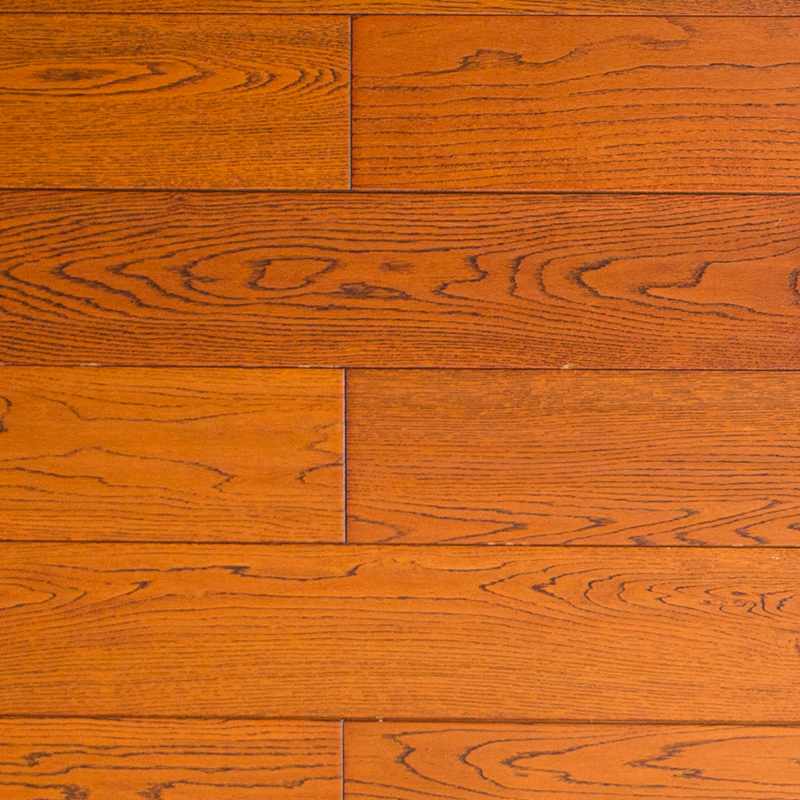
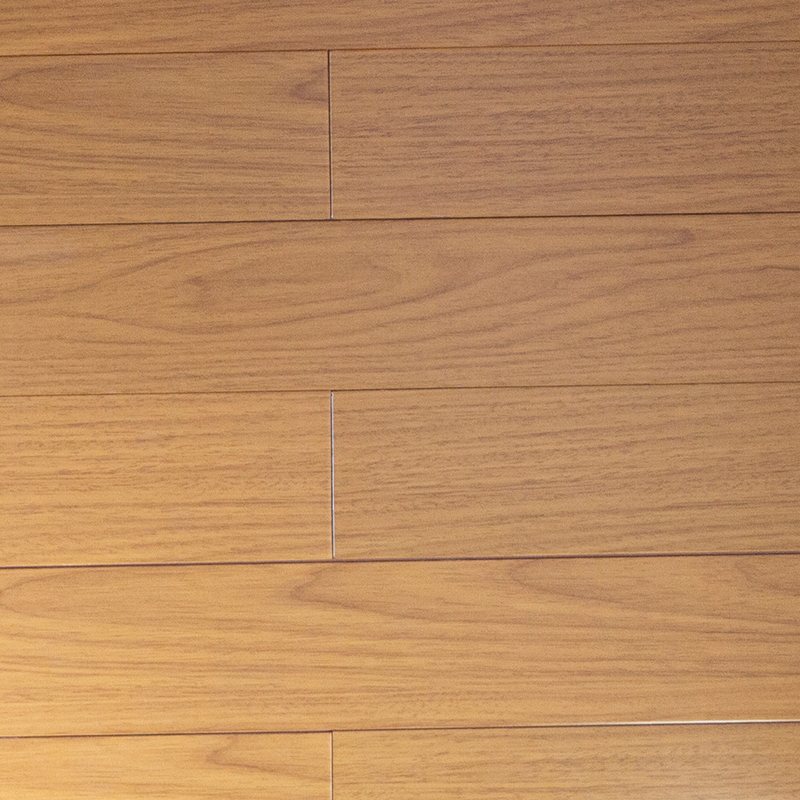
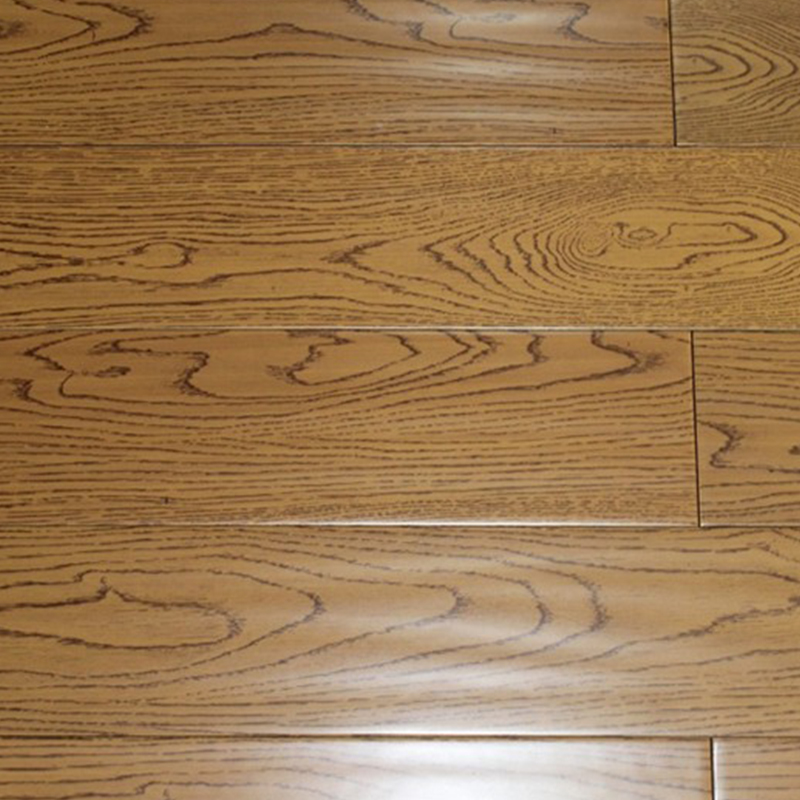
Visual Comparison: Grain Pattern Structure
Side-by-Side Comparison Table
Attribute
Ash Hardwood Flooring
White Oak Flooring
Janka Hardness
Approx. 1320 lbf
Approx. 1360 lbf
Grain Pattern
Straight, open, linear
Wavy with ray flecks
Base Tone
Pale, creamy
Warm tan to golden
Stain Absorption
Even, moderate
Even, wide range
UV Sensitivity
Moderate ambering over time
Mild ambering over time
Typical Cost Range
Moderate
Moderate to higher
Availability
Regionally variable
Widely available
Durability Under Daily Use
Beyond hardness, durability depends on how a species responds to humidity swings, foot traffic patterns, and finish type. solid ash flooring has moderate dimensional stability, meaning it expands and contracts with seasonal humidity changes similarly to oak, but slightly more attention to acclimation before installation is recommended in dry climates.
Factors Affecting Long-Term Wear
Finish hardness and number of coats applied at the factory or on-site
Subfloor flatness and proper nailing or gluing technique
Indoor humidity control, ideally maintained between 35 and 55 percent
Use of protective pads under furniture legs
Frequency of high-heel or pet-claw traffic
Wood flooring longevity is determined less by species alone and more by the combination of installation precision, finish quality, and ongoing humidity management.
Finishing and Color Flexibility
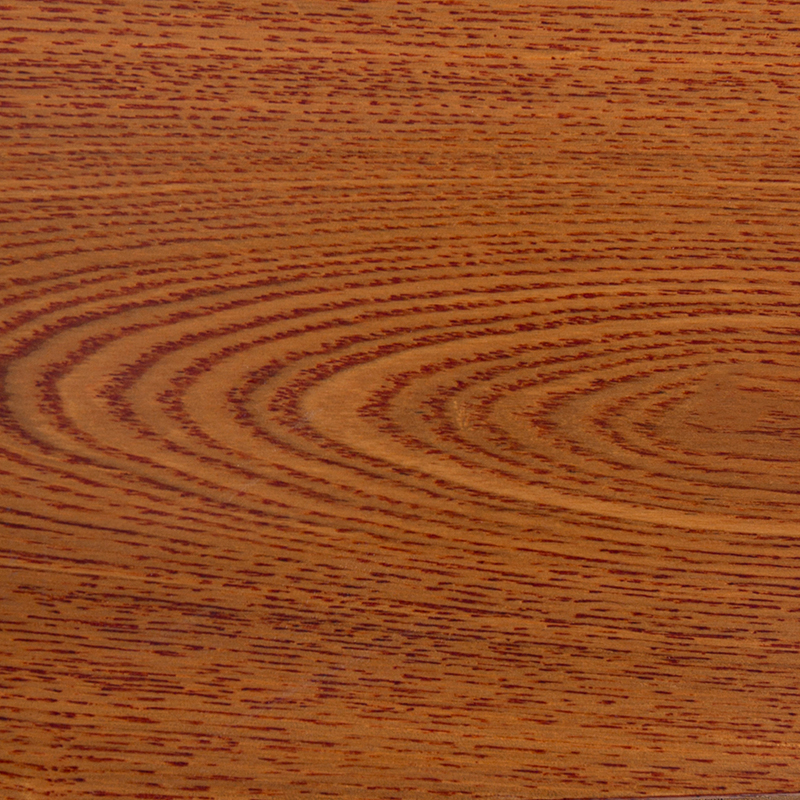
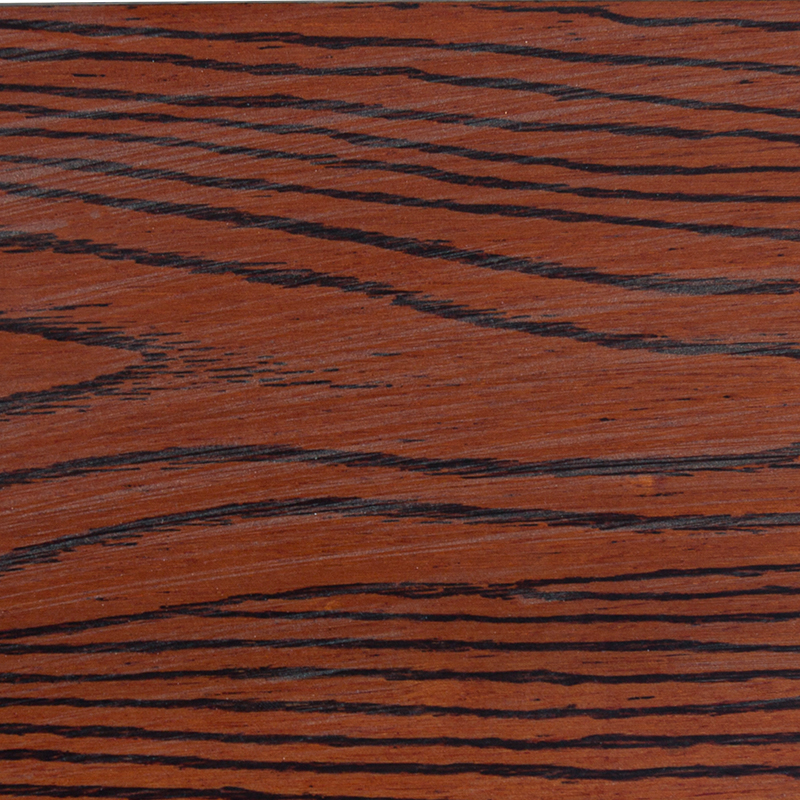
Because ash has a paler starting tone, it accepts light whitewash and natural oil finishes without requiring bleaching, which is often necessary to achieve similarly pale results on oak. When darker stains are applied, ash tends to show a slightly more uniform color due to its straighter pore alignment, while oak can display more tonal variation because of its ray fleck structure.
Natural / WhitewashHoney / AmberWalnut / Espresso
Both species hold up well under water-based polyurethane, oil-modified polyurethane, and hardwax oil finishes, though hardwax oils tend to highlight the natural grain of ash more clearly than film-forming finishes.
Maintenance Requirements
Task
Recommended Frequency
Dry sweeping or vacuuming
2 to 3 times per week
Damp mopping with wood-safe cleaner
Weekly
Humidity monitoring
Ongoing, seasonal check
Refinishing (sand and recoat)
Every 7 to 10 years depending on wear
Both ash and oak respond well to standard hardwood care routines. Neither species requires specialized cleaning products beyond pH-neutral, wood-appropriate solutions.
Ash Hardwood Flooring Pros and Cons
Advantages
Bright, contemporary appearance suited to modern interiors
Strong hardness rating close to oak
Even grain pattern simplifies large-format installations
Accepts pale and natural finishes without pretreatment
Considerations
Regional availability can be more limited than oak
Slightly more prone to visible ambering under prolonged sunlight
Fewer wide-plank options in some markets
Understanding the advantages of ash hardwood flooring alongside its limitations allows for a realistic comparison against oak rather than an idealized one.
Choosing Between Ash and White Oak
The right choice depends on the intended interior style, budget, and regional supply chain. Best ash hardwood flooring selections tend to suit spaces where a lighter, more linear grain is desired, while oak remains a dependable choice where warmer tones and wider sourcing options are priorities.
Choose ash for a brighter, more uniform visual field
Choose oak for broader stain and plank-width availability
Choose either species when hardness and durability are the primary concern, given their similar Janka ratings
Consult local suppliers for lead times, since ash availability varies more by region
Frequently Asked Questions
Q1: Is ash hardwood flooring a good choice?
Yes, it offers a strong hardness rating, an even grain pattern, and a bright natural tone that suits contemporary and minimalist interior styles.
Q2: Is ash flooring durable?
Ash performs well under regular household traffic, with a Janka hardness close to white oak, though finish quality and subfloor preparation play a larger role in long-term durability.
Q3: Is ash wood harder than oak?
Ash is slightly softer than white oak based on standard Janka hardness testing, though the practical difference in daily wear resistance is minimal.
Q4: Does ash hardwood flooring scratch easily?
With a proper protective finish and standard care such as furniture pads and regular cleaning, ash resists scratching similarly to other mid-to-high hardness domestic hardwoods.
Q5: Is ash flooring expensive?
Pricing generally falls in a moderate range comparable to oak, though costs can shift based on regional availability, plank width, and finish type.



 English
 Español
 عربى
عربى
 Get Free Sample