


 English
 Español
 عربى
عربى
Get Social
Choose DEIF for the perfect blend of
performance and aesthetics.
 Get Free Sample

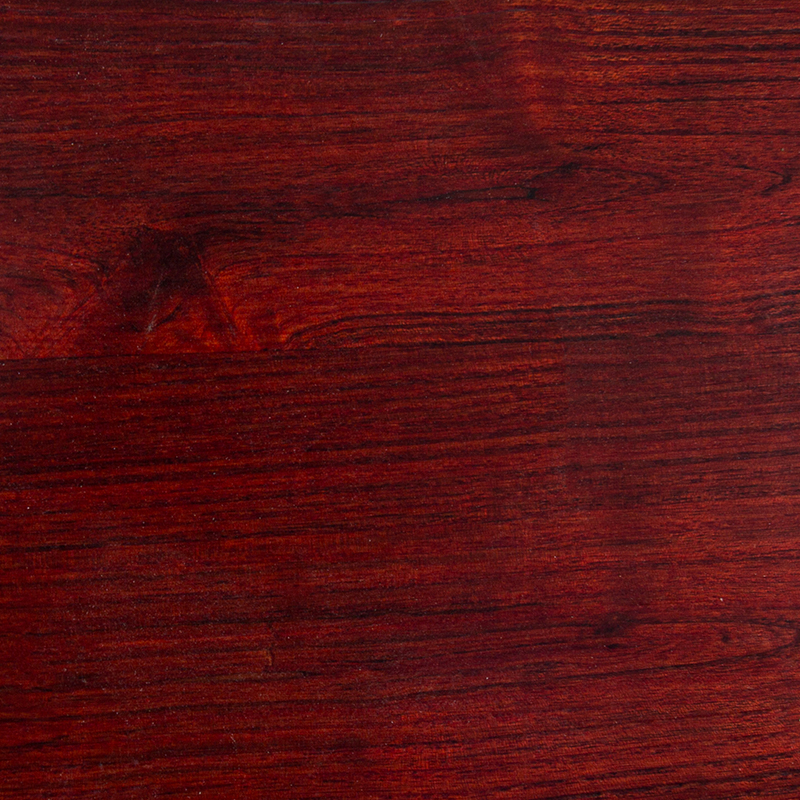
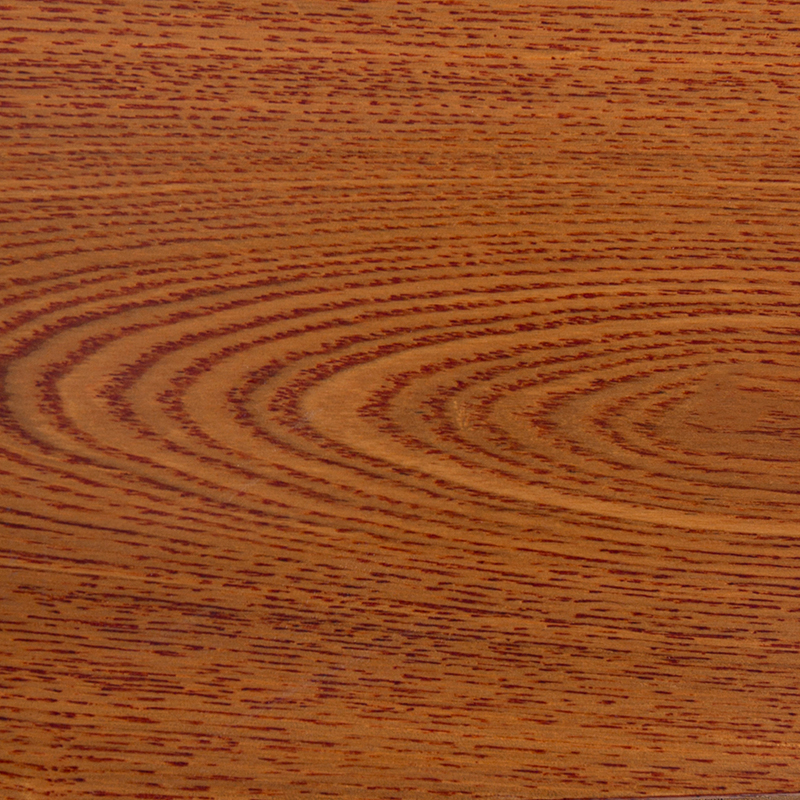
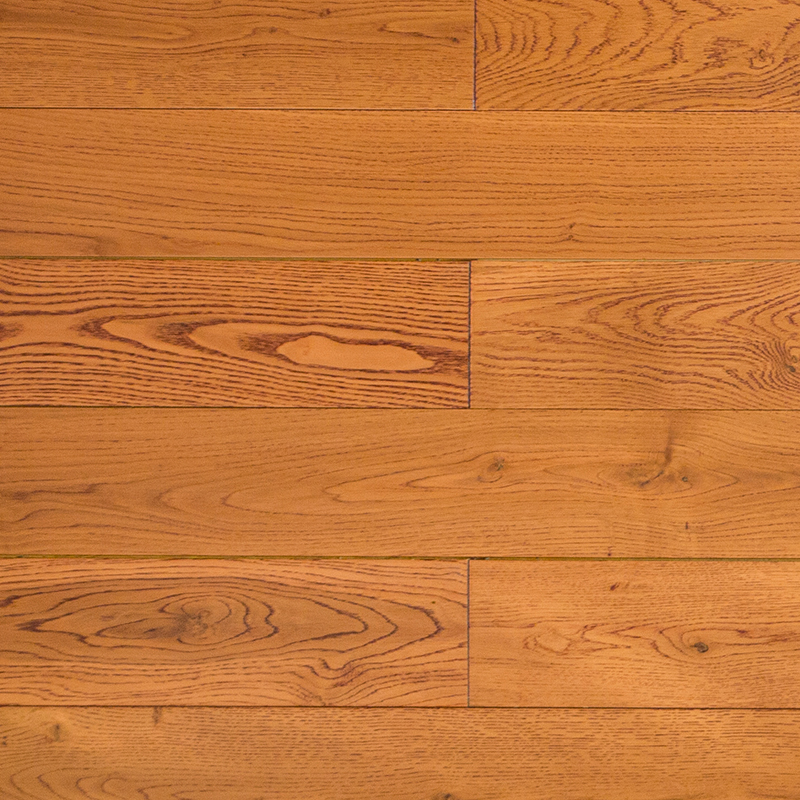
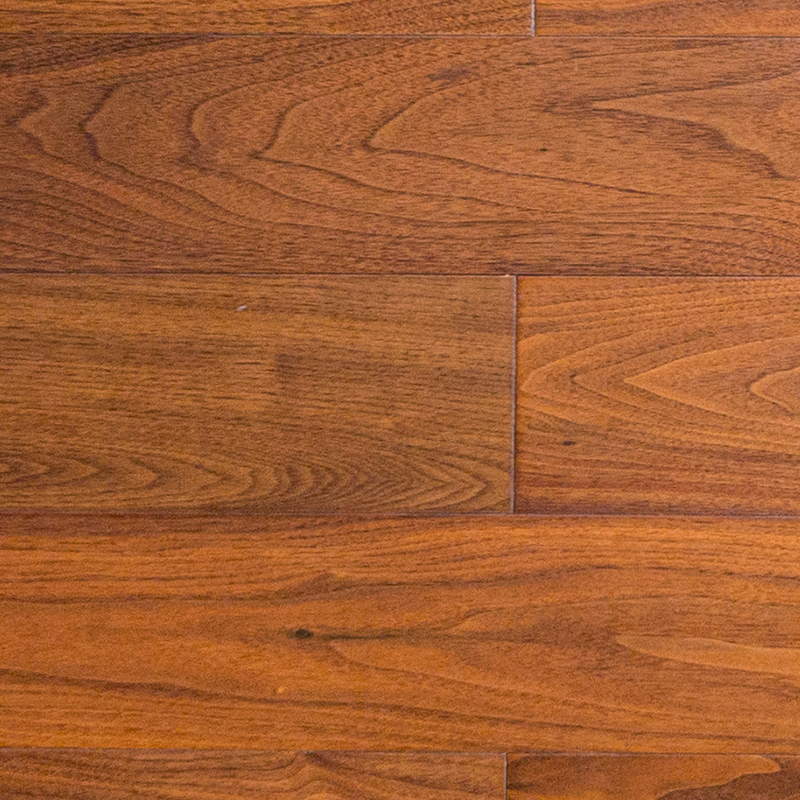
Wood flooring is one of the most widely used interior surface materials in residential, commercial, and architectural projects. Known for its natural aesthetics, durability, and design flexibility, it remains a preferred choice for spaces that require both functionality and visual warmth.
With over 20,000㎡ of production facilities and more than 10 years of export experience, Suzhou Dicosbo Wood Co,. Ltd. focuses on delivering stable and customizable wood flooring solutions for international markets. The company integrates automated production systems and strict quality inspection processes to ensure consistency across every batch.
Wood flooring refers to floor materials made primarily from natural wood or engineered wood layers. It is designed to provide long-lasting surface performance while enhancing interior aesthetics. Depending on construction methods, wood flooring can vary in stability, appearance, and application scope.
The increasing demand for sustainable and visually appealing materials has made wood flooring a key solution in modern construction and interior design projects.
Different types of wood flooring are designed to meet various environmental and performance requirements. The following table summarizes the most common categories:
| Type | Structure | Key Features | Applications |
|---|---|---|---|
| Solid Hardwood Flooring | Single-layer natural wood | High durability, natural texture | Residential homes, premium interiors |
| Engineered Wood Flooring | Multi-layer wood structure | Moisture resistance, stable performance | Apartments, offices, commercial spaces |
| Laminate Wood Flooring | Decorative wood layer + core board | Cost-effective, easy installation | Retail spaces, rental properties |
| Parquet Flooring | Geometric wood blocks | Decorative patterns, artistic design | Hotels, luxury interiors |
Engineered wood flooring is currently one of the most popular choices due to its balance between natural appearance and structural stability.
Wood flooring offers several functional and aesthetic advantages that make it suitable for a wide range of environments:
Wood flooring brings organic texture and warmth into interior spaces, enhancing visual comfort and design harmony.
High-quality wood flooring is designed to withstand daily wear, making it suitable for both residential and commercial use.
Engineered structures help reduce deformation caused by humidity and temperature changes.
Routine cleaning and simple care practices help maintain surface quality over time.
Various finishes, colors, and grain patterns allow customization for different architectural styles.
Wood flooring is widely used across multiple sectors due to its versatility:
In each application, wood flooring enhances both functionality and visual appeal, making it a long-term investment for interior projects.
Modern wood flooring production relies on advanced machinery and strict process control. A typical manufacturing workflow includes:
Annual production capacity includes:
This large-scale capability enables stable supply for global distribution needs.
The continued popularity of wood flooring is driven by its combination of natural aesthetics and technical performance. Unlike synthetic surfaces, wood flooring provides a more comfortable walking experience and improves interior atmosphere quality.
From residential renovation to large-scale commercial development, wood flooring remains a reliable solution for long-term flooring performance.
As a professional wood flooring manufacturer, Suzhou Dicosbo Wood Co,. Ltd. continuously focuses on improving production efficiency, material stability, and customization capabilities to meet evolving global demand.
Wood flooring is made from natural timber or layered engineered wood materials designed for durability and stability.
Solid wood flooring is made from a single piece of wood, while engineered wood flooring consists of multiple layers for improved moisture resistance.
Yes, especially engineered wood flooring, which is designed to handle frequent use in commercial and residential spaces.
With proper maintenance, wood flooring can last many years depending on material type and usage conditions.
Wood flooring continues to be a fundamental material in modern interior design due to its natural appearance, structural reliability, and wide application range. With advanced manufacturing systems and strict quality control, Suzhou Dicosbo Wood Co,. Ltd. provides stable and customizable solutions for global customers.
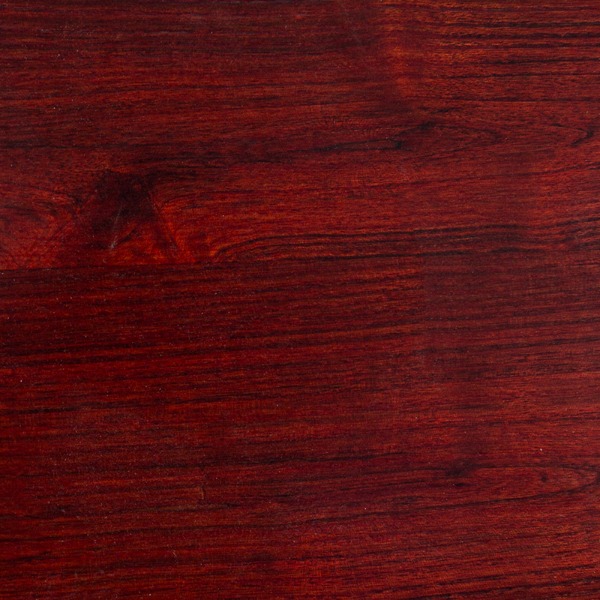

We provide customers with sustainable and eco-friendly
engineered wood solutions and services.
Choose DEIF for the perfect blend of
performance and aesthetics.
