Understanding Engineered Wood Flooring: Construction and Vulnerability
Engineered wood flooring represents a modern approach to hardwood installation, combining the aesthetic appeal of solid wood with superior dimensional stability. Unlike solid hardwood, engineered wood consists of a plywood or high-density fiberboard core with a veneer layer of authentic hardwood on top. This construction method significantly reduces the risk of warping and cupping—issues commonly associated with solid wood in varying humidity environments.
Prefinished engineered wood floors arrive from manufacturing facilities with factory-applied finishes, eliminating on-site sanding and finishing work. This convenience, however, introduces distinct maintenance requirements compared to site-finished alternatives. Understanding the layered composition of your flooring—particularly the protective topcoat and underlying veneer thickness—is fundamental to developing an effective maintenance strategy.
Why Engineered Wood Differs from Solid Hardwood
The plywood foundation of engineered wood creates a barrier against moisture penetration, making it more suitable for below-grade installations such as basements and concrete subfloors. However, this same construction means that refinishing options are limited—the wear layer must be thick enough to permit sanding and refinishing, typically requiring a minimum of 4 millimeters of solid wood veneer. Most wide plank engineered wood flooring available in premium grades meets or exceeds these specifications, offering moderate refinishing potential.
The Impact of Scratching: Prevention Strategies and Assessment
Surface scratches constitute the most common form of damage to engineered wood flooring. These range from light micro-scratches barely visible in certain lighting to deep gouges that penetrate the wear layer. Research indicates that approximately 73% of homeowners report visible scratching within five years of installation if preventive measures are not rigorously implemented. Identifying scratch severity enables appropriate corrective action and prevents progression to structural damage.
Common Sources of Scratches
- Pet claws and paws: Moving across flooring surfaces with inadequate nail trimming frequency represents the primary scratch source in pet-owning households.
- Furniture movement: Dragging chairs, tables, and sofas without protective barriers causes linear scratches and scuffs.
- Sand and abrasive particles: Dirt tracked indoors becomes embedded in floor surfaces and acts as a grinding agent under foot traffic.
- Heel impact: High-heeled shoes concentrate pressure on small areas, creating localized damage.
- Toy and toy wheel contact: Children's toys with hard plastic wheels or rough surfaces damage finishes through repetitive contact.
Protective Measures for Scratch Prevention
Implementing multi-layered protective strategies dramatically reduces scratch occurrence. The most effective approach combines physical barriers, behavioral modifications, and maintenance protocols into a comprehensive system.
Felt pads and protective furniture feet represent the first line of defense against furniture-related scratches. These adhesive-backed or nail-mounted pads—typically made from recycled felt or rubber—must be installed on all furniture leg bottoms and replaced every 12 to 18 months as wear occurs. For wide plank engineered wood flooring, which often features decorative grain patterns, the visual prominence of scratches necessitates meticulous furniture protection protocols.
Strategic area rug placement creates zones of reduced foot traffic in high-activity areas. High-quality rugs with natural rubber underlayment prevent slipping while distributing weight more evenly across the floor surface. Placement in entryways, beneath dining tables, and in common circulation paths provides targeted protection where scratching risk is highest.
Pet management protocols including regular nail trimming—every four to six weeks—and the use of soft pet mats in pet rest areas significantly reduce scratch damage from animal traffic. For households with multiple pets or particularly active animals, dedicated pet-gated areas with alternative flooring surfaces may warrant consideration.
Water Damage: Understanding Mechanisms and Vulnerability Zones
Water damage represents a more severe threat than surface scratching, as it can compromise structural integrity and create conditions favorable for mold growth. While engineered wood's plywood base provides superior moisture resistance compared to solid hardwood, vulnerability remains concentrated in specific areas and circumstances. Understanding water damage mechanisms—including expansion, cupping, delamination, and rot—enables targeted prevention strategies.
How Water Infiltration Occurs
Prefinished engineered wood floors feature factory-applied protective coatings that initially provide excellent water resistance. However, damage to these coatings—including cracks, peeling, or areas of wear—creates pathways for moisture penetration. Water infiltration proceeds through three primary mechanisms:
- Direct spill absorption: Liquid spilled directly onto flooring surfaces soaks through damaged finishes or unfinished edges, particularly at seams and corners where protective coatings may be incomplete.
- Humidity-driven migration: Elevated indoor humidity levels (above 65%) cause the veneer layer to absorb atmospheric moisture, leading to dimensional changes and finish separation.
- Subfloor and underlayment wicking: Moisture from basements or concrete subfloors migrates upward through substrate layers, causing delamination of the wear layer from the core structure.
High-Risk Areas and Scenarios
Certain locations within residences require heightened vigilance regarding water exposure. Kitchens, bathrooms, and laundry areas represent primary risk zones due to frequent water contact and spill likelihood. Additionally, areas adjacent to exterior doors, under windows with condensation potential, and anywhere subject to basement moisture warrant special attention.
OEM engineered wood flooring—products manufactured specifically to original equipment standards—provides enhanced dimensional stability and superior finish applications compared to generic alternatives. However, even premium OEM products require systematic moisture management to prevent degradation in high-risk zones.
Daily and Weekly Maintenance Protocols for Optimal Preservation
Consistent, properly executed maintenance routines form the foundation of effective engineered wood flooring preservation. Daily and weekly protocols address both preventive care and reactive cleaning, minimizing accumulation of damaging agents and maintaining finish integrity.
Daily Care Essentials
Entrance mat systems represent the first critical intervention point. High-quality, absorbent entry mats positioned both outside and inside exterior doors capture approximately 80% of moisture and dirt that would otherwise be tracked onto flooring surfaces. These mats must be large enough—minimum 4 feet by 6 feet—to ensure multiple steps occur on the mat before residents reach wood surfaces.
Immediate spill response demands a predetermined protocol. Any liquid spill—whether water, beverage, or food-related—must be addressed within 5 to 10 minutes to prevent finish penetration. Use soft, lint-free cloths rather than paper towels, which may leave residue. Avoid damp mopping immediately after spills; allow surfaces to air dry completely before resuming normal cleaning activities.
Dry cleaning methods should constitute the primary daily cleaning approach. Microfiber dust mops effectively capture dust and debris without adding moisture. These mops attract particles through electrostatic properties and remove them from the floor surface entirely, preventing abrasive grinding that causes micro-scratches. Vacuum cleaners with hard-floor settings—using wheels rather than rotating brushes—provide effective alternative dust removal when microfiber mops prove insufficient.
Weekly Deep Cleaning
Once weekly, engineered wood flooring benefits from more thorough cleaning beyond basic dust removal. The challenge lies in achieving cleanliness while maintaining strict moisture control. The optimal approach employs barely damp microfiber mops—cloth thoroughly wrung to remove nearly all moisture, leaving the mop damp rather than wet.
Specialized wood floor cleaning solutions designed specifically for prefinished engineered wood formulations prove superior to general-purpose cleaners. These products are pH-balanced to prevent finish dulling and contain no oils, waxes, or silicones that accumulate over time and create slippery surfaces or cloudy finishes. Application should involve light misting of the mop—not the floor—before use, further reducing moisture exposure.
Focus weekly deep cleaning efforts on high-traffic areas where soiling and micro-scratches are most apparent. Kitchens, hallways, and entryways typically require more frequent and intensive cleaning than bedrooms or less-used spaces. Adapt cleaning frequency based on household composition—larger families, multiple pets, and high activity levels necessitate more frequent interventions.
Humidity Control: Critical Environmental Management
Environmental humidity represents one of the most consequential yet often overlooked factors affecting engineered wood flooring longevity. Humidity fluctuations cause dimensional changes in the wood veneer, leading to gaps between planks, cupping (edge-high warping), crowning (center-high warping), and finish separation. Maintaining stable humidity levels between 30% and 50% relative humidity (RH) dramatically extends flooring lifespan and reduces both water damage and finish degradation.
Seasonal Humidity Variation Management
Most residences experience natural humidity cycling driven by seasonal changes and HVAC operation. Winter heating reduces indoor humidity (often below 30%), while summer cooling and moisture-laden outdoor air can elevate humidity beyond optimal ranges. These fluctuations stress wood flooring continuously, creating expansion-contraction cycles that progressively weaken finishes and structural integrity.
Humidification during winter months becomes essential in climates with cold, dry seasons. Whole-house humidifiers—whether steam-based or evaporative systems integrated into HVAC—maintain consistent humidity levels that prevent excessive wood shrinkage. Portable humidifiers serve as effective alternatives for targeted room-level control, particularly in bedrooms or living spaces where humidity monitoring is feasible.
Dehumidification during summer months counteracts elevated humidity from outdoor air infiltration and internal moisture sources (cooking, showering, perspiration). Air conditioning naturally provides dehumidification, but supplemental dehumidifiers may be necessary in especially humid climates or when AC usage is limited. Maintaining humidity below 55% prevents conditions favorable for mold growth and dimensional swelling of engineered wood.
Moisture Monitoring Tools and Practices
Digital hygrometers—relatively inexpensive instruments measuring relative humidity—enable data-driven humidity management. Placement in multiple locations throughout the residence identifies microclimate variations and reveals areas requiring targeted intervention. Smartphones with hygrometer applications provide convenient monitoring without additional equipment investment, though dedicated instruments provide superior accuracy.
Regular monitoring establishes baseline humidity patterns and enables proactive adjustment of humidification or dehumidification systems before humidity extremes occur. This preventive approach proves significantly less costly than addressing water damage or dimensional distortion after they develop.
Protective Barriers: Materials and Installation Standards
Physical protective barriers form essential components of comprehensive maintenance strategies, particularly in high-traffic or high-risk environments. Properly selected and installed protective materials reduce both scratching and water damage risks by creating intermediate interfaces between floors and potential hazards.
Area Rugs: Selection and Positioning
Area rugs provide dual benefits: they protect floor surfaces from direct damage while adding aesthetic and acoustic value to interior spaces. Selection criteria should prioritize underlayment quality, fiber durability, and compatibility with engineered wood flooring. Rugs with natural rubber or felt underlayments prevent moisture accumulation beneath the rug surface—a condition that can lead to delamination if allowed to persist.
Strategic rug placement maximizes protection in zones where damage risk is highest. Entryways benefit from smaller rugs (3x5 feet) positioned to capture moisture and soil before residents reach wood surfaces. Kitchen and dining areas warrant larger rugs (8x10 feet or greater) to protect beneath and around dining tables where spills are common. Living room seating areas benefit from rugs that extend at least two feet beyond furniture boundaries, protecting against chair movement and traffic patterns.
Furniture Protective Solutions
Adhesive-backed felt pads represent the most practical furniture protection strategy for standard wooden and metal furniture legs. These pads—typically 3/4 inch diameter—distribute weight across larger surface areas than unprotected legs, reducing point loading and associated damage. Installation requires cleaning furniture leg bottoms thoroughly, ensuring felt pads adhere properly and remain securely attached during movement.
Furniture sliders—plastic or cloth discs placed beneath furniture legs—facilitate repositioning without the sustained pressure that creates scratches. These temporary protective devices prove particularly valuable when moving furniture for cleaning or reconfiguring room layouts. The investment in quality sliders prevents the scratches that would otherwise occur during furniture relocation.
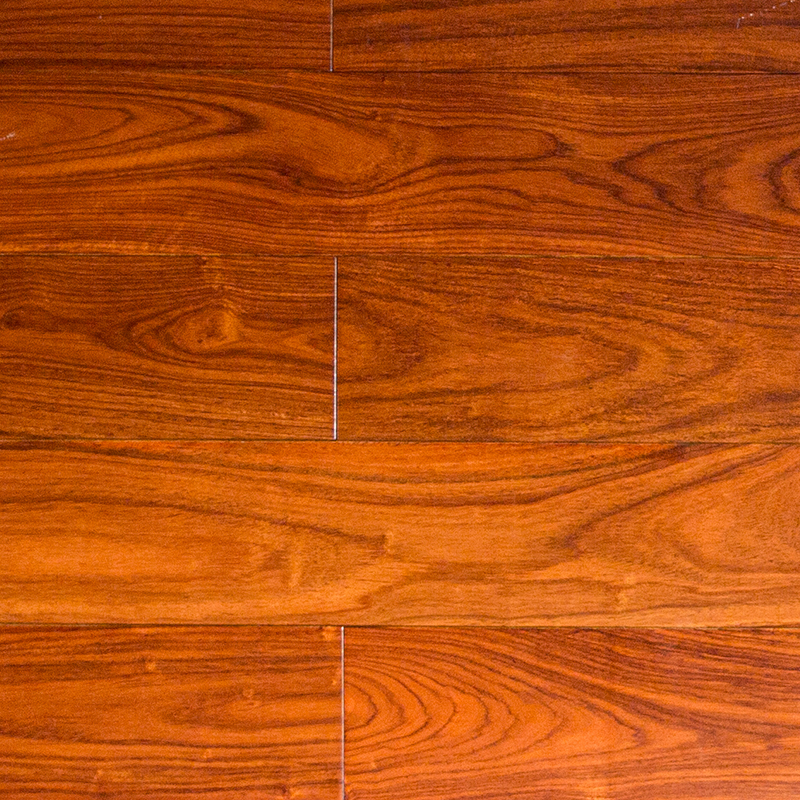
For wide plank engineered wood flooring, where individual plank width amplifies the visual prominence of scratches, furniture protection protocols merit particular emphasis. The decorative grain characteristics of wide planks—which are a primary aesthetic advantage—simultaneously make damage more noticeable, increasing the perceived need for protective interventions.
Repair and Restoration: Addressing Existing Damage
Despite rigorous preventive measures, damage occasionally occurs. Understanding repair options enables appropriate intervention based on damage severity and location. Restoration approaches range from simple cosmetic touch-ups to more comprehensive refinishing, with feasibility dependent on wear layer thickness and damage extent.
Addressing Light Surface Scratches
Minor scratches that do not penetrate the finish or expose bare wood often respond to cosmetic solutions. Scratch-concealing products—wood-colored markers or specially formulated fill compounds—minimize visual prominence of light scratches. These temporary solutions work effectively for micro-scratches and light scuffs but do not address underlying finish damage.
For scratches affecting the finish but not the underlying wood, specialized finish repair products can restore appearance and provide some protective function. These products typically require careful application and may need professional consultation for optimal results, particularly on high-visibility areas or wide plank flooring where matching finish sheen and color proves critical.
Managing Deep Scratches and Gouges
Scratches that penetrate the finish and expose bare wood present greater challenges. These scratches risk moisture infiltration if not addressed promptly. Wood-colored fill compounds specifically designed for hardwood flooring can minimize visibility and provide some protective sealing. Selection of fill compounds in appropriate wood tones—critical for American walnut flooring or other rich wood species—requires careful color matching.
Professional restoration becomes advisable for extensive deep scratches, particularly in high-visibility areas. Depending on wear layer thickness, professional sanding and refinishing may be feasible, though this option is generally limited to engineered flooring with veneer layers exceeding 4 millimeters. Many homeowners accept minor damage as inevitable wear, implementing enhanced preventive measures to limit future damage progression.
Addressing Water Damage
Water damage severity determines appropriate remediation strategies. Minor moisture exposure—such as a quickly cleaned spill on intact finishes—typically requires no intervention beyond ensuring complete drying. Moderate damage involving visible swelling, cupping, or finish separation in localized areas may necessitate plank replacement if damage affects structural integrity or if delamination has compromised the plank.
Extensive water damage from flooding or prolonged moisture exposure often requires removal and replacement of affected sections or entire flooring installations, particularly when damage extends to subfloor substrates. Rapid water damage assessment and professional mitigation prove essential to prevent mold growth and structural deterioration. Insurance documentation and professional restoration company involvement become necessary in major water damage scenarios.
Special Considerations for American Walnut and Premium Wood Species
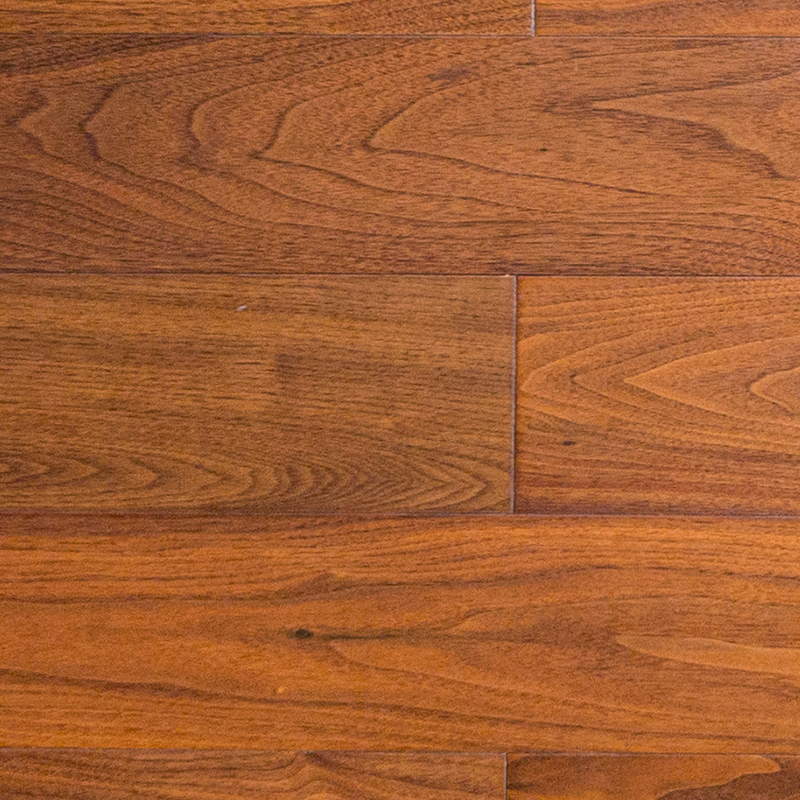
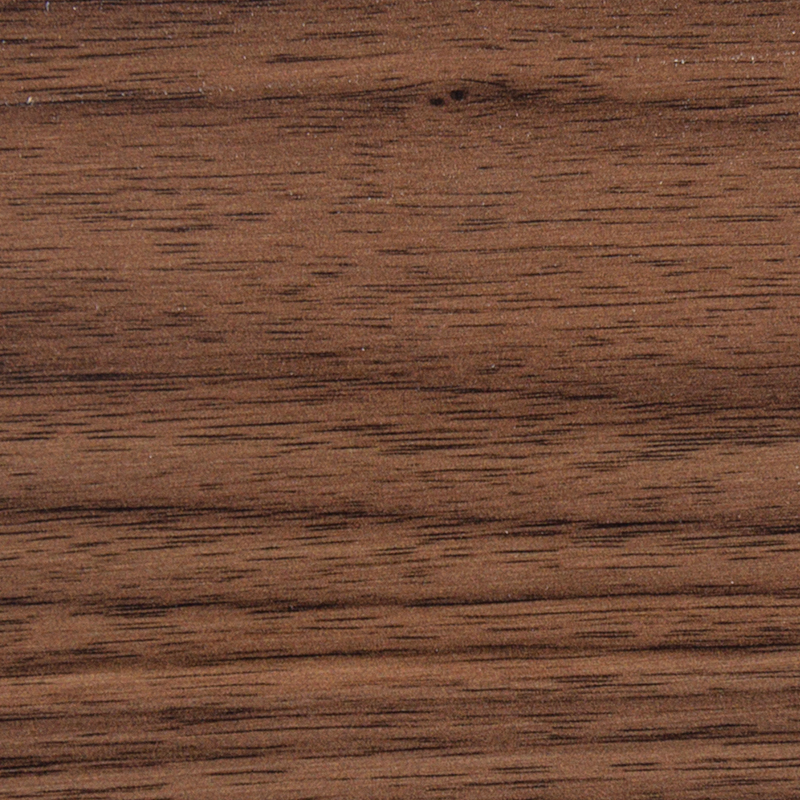
Premium wood species including American walnut present unique maintenance considerations due to their aesthetic characteristics and relative rarity. American walnut flooring, prized for its rich chocolate-to-ebony coloration and dramatic grain patterns, demands particular care to preserve the visual qualities that make it a premium choice. Understanding species-specific characteristics enables targeted maintenance strategies that honor the investment in premium materials.
American walnut's darker coloration paradoxically makes both water marks and dust more visible than lighter wood species. Light water spots appear prominently against dark backgrounds, requiring fastidious spill response and immediate drying. Conversely, dust accumulation becomes visible more quickly, necessitating more frequent dry cleaning to maintain visual appeal.
The grain variation characteristic of American walnut—with dramatic mineral streaks and color variation—means that scratches may be more or less visible depending on their location. Scratches running parallel to grain direction often appear less prominent than those crossing grain patterns, though this variable visibility does not diminish the protective importance of damage prevention. Prefinished engineered wood flooring in premium species like American walnut typically features enhanced finish durability designed to accommodate the high wear expectations associated with luxury materials.
Professional consultation becomes particularly valuable when premium species installations suffer damage. Color matching for fill compounds and finish repairs demands expertise to preserve the aesthetic integrity of expensive materials. Many homeowners prioritize professional restoration for premium installations rather than attempting DIY repairs that might compromise appearance.
Seasonal Maintenance and Long-Term Care Planning
Engineered wood flooring maintenance extends beyond daily and weekly protocols to encompass seasonal adjustments and long-term planning. Recognizing how seasonal transitions affect flooring conditions enables proactive maintenance adjustments that extend flooring lifespan and minimize cumulative damage.
Spring and Fall Maintenance Focus
Seasonal transitions present opportunities for comprehensive maintenance reviews and adjustments. Spring maintenance should include thorough deep cleaning after winter's accumulation of salt residue (from footwear in snowy climates) and heating system byproducts. Transition periods also warrant inspection of protective barriers—replacing worn area rug underlayments, refreshing furniture felt pads, and reviewing humidity management systems before demanding summer and winter periods.
Fall preparation should focus on preparing for heating season's humidity challenges. HVAC system maintenance, humidifier inspection or preparation, and verification of intact door weatherstripping prevent moisture loss through the heating season. Assessment of exterior drainage and foundation grading helps prevent moisture infiltration in basements where engineered flooring may be installed.
Professional Assessment Intervals
Periodic professional flooring inspections—recommended annually or at minimum every two years—provide expert assessment of flooring condition and identification of emerging issues before they become major problems. Professionals can assess finish integrity, identify moisture problems through moisture meters and humidity monitoring, and recommend specific interventions tailored to observed conditions.
Documentation of maintenance activities and professional assessments creates valuable records of care quality, which supports flooring longevity claims and helps identify patterns requiring intervention. Systematic record-keeping—even simple logs of cleaning activities, environmental monitoring data, and professional evaluations—enables trend identification and informed decision-making regarding maintenance adjustments.
Selection of Engineered Flooring Products for Durability
While maintenance remains crucial regardless of product quality, initial selection of engineered flooring products significantly influences maintenance demands and damage susceptibility. OEM engineered wood flooring and professionally manufactured prefinished products typically incorporate construction features and finish applications designed to enhance durability and simplify maintenance compared to economy alternatives.
Wear layer thickness represents a critical durability specification that merits examination during product selection. Premium engineered flooring typically features 4 to 6 millimeter wear layers, providing adequate thickness for potential future refinishing and reducing susceptibility to damage that penetrates the veneer. Wide plank engineered wood flooring often emphasizes premium wear layer specifications, reflecting the investment level associated with these larger format planks.
Finish system specifications determine initial scratch resistance and water repellency. Enhanced finish formulations incorporating polyurethane or aluminum oxide provide superior scratch resistance compared to standard finishes. Understanding finish system details—particularly relevant when selecting engineered wood flooring products—enables informed decisions about durability expectations and maintenance requirements.
Dimensional stability certifications—indicating plywood base construction quality and adhesive durability—provide confidence in product performance under varying humidity conditions. Engineered products meeting recognized stability standards typically demonstrate superior resistance to cupping, gaps between planks, and delamination compared to lower-specification alternatives.
Frequently Asked Questions
Q1: Can engineered wood flooring be refinished?
Refinishing feasibility depends on wear layer thickness. Engineered flooring with veneer layers of 4 millimeters or greater can typically be sanded and refinished once or possibly twice, though thickness reduction with each sanding limits refinishing opportunities. Economy engineered products with thinner veneers may not support refinishing. Professional assessment determines refinishing feasibility for specific installations.
Q2: How should water spills be handled immediately?
Immediate spill response is critical. Use soft, dry cloths to absorb liquid completely within 5 to 10 minutes of spill occurrence. Wring out damp cloths thoroughly to avoid excess moisture. Allow surfaces to air dry completely, optionally using fans to accelerate drying. Avoid damp mopping immediately after spills; wait until surfaces are completely dry before resuming normal cleaning.
Q3: What humidity level is optimal for engineered wood flooring?
Relative humidity between 30% and 50% represents the optimal range for engineered wood flooring longevity. Humidity below 30% causes wood shrinkage and finish separation, while humidity above 50% promotes dimensional swelling and conditions favorable for mold growth. Digital hygrometers enable monitoring and adjustment of humidification or dehumidification systems to maintain optimal ranges.
Q4: How frequently should floors be deep cleaned?
Weekly deep cleaning with barely damp microfiber mops represents an appropriate baseline for most households. High-traffic areas or installations with significant foot traffic, pets, or children may benefit from twice-weekly deep cleaning. Adapt frequency based on visible soiling and traffic patterns. Daily dry cleaning removes dust and debris between deep cleaning sessions.
Q5: What protective products are most effective for engineered wood flooring?
Combination strategies prove most effective. Entry mats capture moisture and soil at building entrances. Felt pads on furniture legs protect against dragging damage. Area rugs with natural rubber underlayment reduce high-traffic wear. Specialized wood floor cleaning solutions designed for engineered finishes provide effective cleaning without damaging surfaces. Humidifiers and dehumidifiers maintain optimal humidity ranges.



 English
 Español
 عربى
عربى
 Get Free Sample